
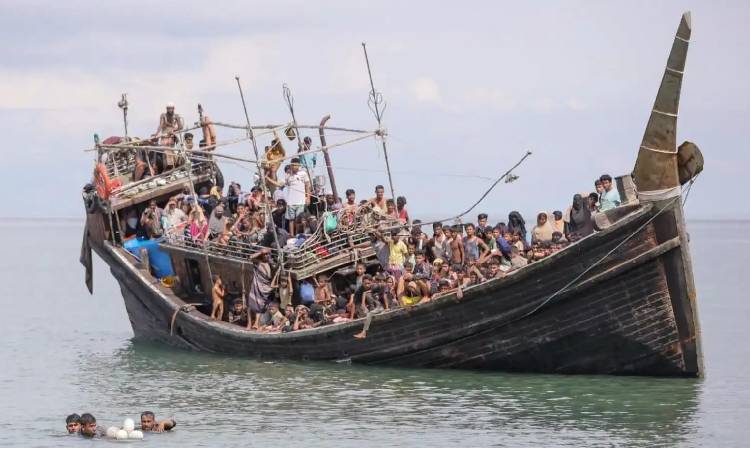
The Bay of Bengal is traditionally seen as a domain of ports, shipping routes, and rivalry for maritime supremacy among the great powers as well as littoral states. The ‘securitisation’ of this oceanic expanse, however, overlooks its humanitarian side, as a space of livelihood and survival for its people. Among the stories of human suffering are those of Rohingya refugees fleeing repression in Myanmar and of impoverished Bangladeshis seeking escape from economic despair. Their struggle to get to a better future is but a treacherous passage through these high seas, beset by human rights abuses, extortion and death, and a voyage mediated by traffickers and smugglers, on ill-equipped vessels. The Bay of Bengal cannot thus merely be a background to geopolitics but should awaken governments in the littoral nations to frame policies that pivot humanitarian sensitivities to the forefront, says Shaoni Guha Mazumder and Tapas Das in this second part of the series on the Bay of Bengal.
Home page image: Rohingya refugees crowd a boat at an unnamed location; photo credit - RohingyaKhobor
Text page image: Refugees, including women and children, many of them taking a nap on a boat headed to the high seas; photo credit - RohingyaKhobor
Banner image: Refugees land on a shore stated to be of an island on the Malaysia-Indonesia border; photo credit - RohingyaKhobor
While the understanding of the Bay of Bengal has been predominantly framed in terms of geopolitics and maritime trade, it also has a humanitarian dimension that often remains neglected in the broader strategic discourse.
The frequent focus on ports, maritime trade routes, naval competition, and strategic connectivity shifts attention away from vulnerable populations who navigate this maritime space in search of livelihoods, security, and a better future.
This analysis explores the “boat people” in the Bay of Bengal region to understand how marginalised communities reinterpret the oceanic expanse in terms of survival, safety, and opportunities.
The term “boat people” risks being perceived as a simple label for people who migrate by boat. That is broadly associated with the Rohingya refugees who were forced to flee Myanmar on fishing boats and enter Bangladesh.
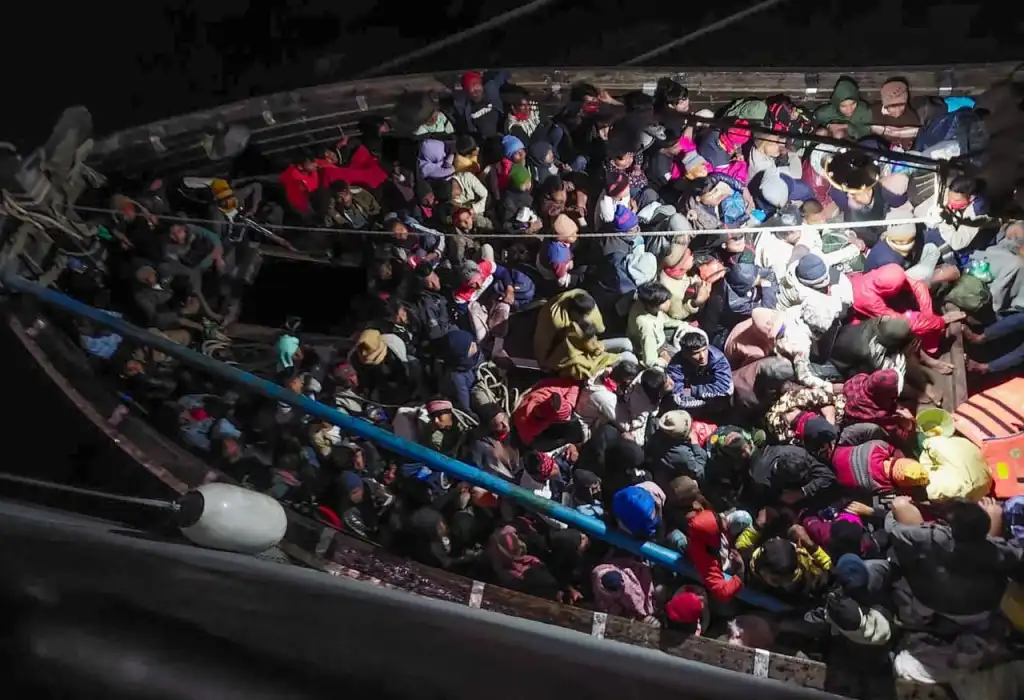
Refugees huddled up in a boat headed to the high seas; photo credit - RohingyaKhobor
The term has also been used to refer to the illegal and uncertain migration of both the Rohingyas and Bangladeshis, primarily to Thailand and Malaysia. The Rohingyas have been forcibly displaced from Myanmar periodically since the 1970s.
The atrocities only intensified throughout the years, and since the brutal crackdown by Myanmar’s military in August 2017. According to the United Nations High Commissioner for Refugees (UNHCR), the UN Refugee Agency, over 700,000 Rohingya people had fled Myanmar’s Rakhine state in August 2017, seeking protection in neighbouring Bangladesh.
However, even in Bangladesh, the absence of political rights, as well as economic and environmental pressures, forces many to embark on onward journeys by boat in the hope of protection in Thailand, Malaysia, and Indonesia.
Commentators such as Mubashar Hasan point out that migration to West Asian countries has become increasingly difficult due to instability and changes in immigration and labour policies. Hence, the affected communities are seen to be seeking new work opportunities in Southeast Asia.
These journeys reveal an alternative side of the Bay of Bengal, where vital migratory routes coexist with teeming port infrastructure and commercial trade.
The modern ‘Columbus’
In mid-April, over 250 people, including children, went missing after their boat capsized in the Andaman Sea, the BBC reported, citing UN agencies. The trawler, which departed from Teknaf in southern Bangladesh and was en route to Malaysia, reportedly sank on April 9th due to heavy winds, rough seas, and overcrowding.
In July, another boat carrying 280 passengers is believed to have sunk off Myanmar’s Ayeyarwady coast. The boats mostly carried Rohingya passengers from the Rakhine State of Myanmar who have faced decades of persecution by the Myanmar authorities.
In the Bay of Bengal, this migration has severe socio-political implications. The Rohingya refugees fleeing violence and death in Myanmar are forced to participate in these illegal and irregular migrations to Bangladesh, and further to south-eastern countries like Malaysia and Indonesia.
They are further exploited by an intricate nexus of traffickers, smugglers, violence and money. The two boats that recently went missing set off during the monsoon season, which starts in April, when torrential rain, large swells and high winds make the journey even more perilous.
Before the journey even began, the passengers were reportedly held hostage by the traffickers for two and a half months at the Thameehla village in Northern Rakhine. Though the refugees reportedly did not plan to leave during the monsoon, they were forced to do so by the smuggling network.
Such trafficking networks have translated into a lucrative trade where recruiters and criminals resort to violence and extortion in the garb of a “better life.” A trafficker reportedly earns 250,000 taka (USD 2,000) per shipment, and when passengers fail to pay the fees, they are tortured in warehouses.
A 24-year-old Rohingya man narrated how the smugglers would beat them with whatever they could find, be it wooden or plastic rods, and would not let them leave the warehouse until they paid the desired amount.
In 2025, nearly 900 Rohingya refugees were reported missing or dead in the Andaman Sea and Bay of Bengal, making it the deadliest year on record for maritime movements in South and South?East Asia, according to UNHCR.
More than 6,500 Rohingya attempted perilous sea crossings that year, with one in seven reported missing or dead, the highest mortality rate worldwide of any major route for refugee and migrant sea journeys.
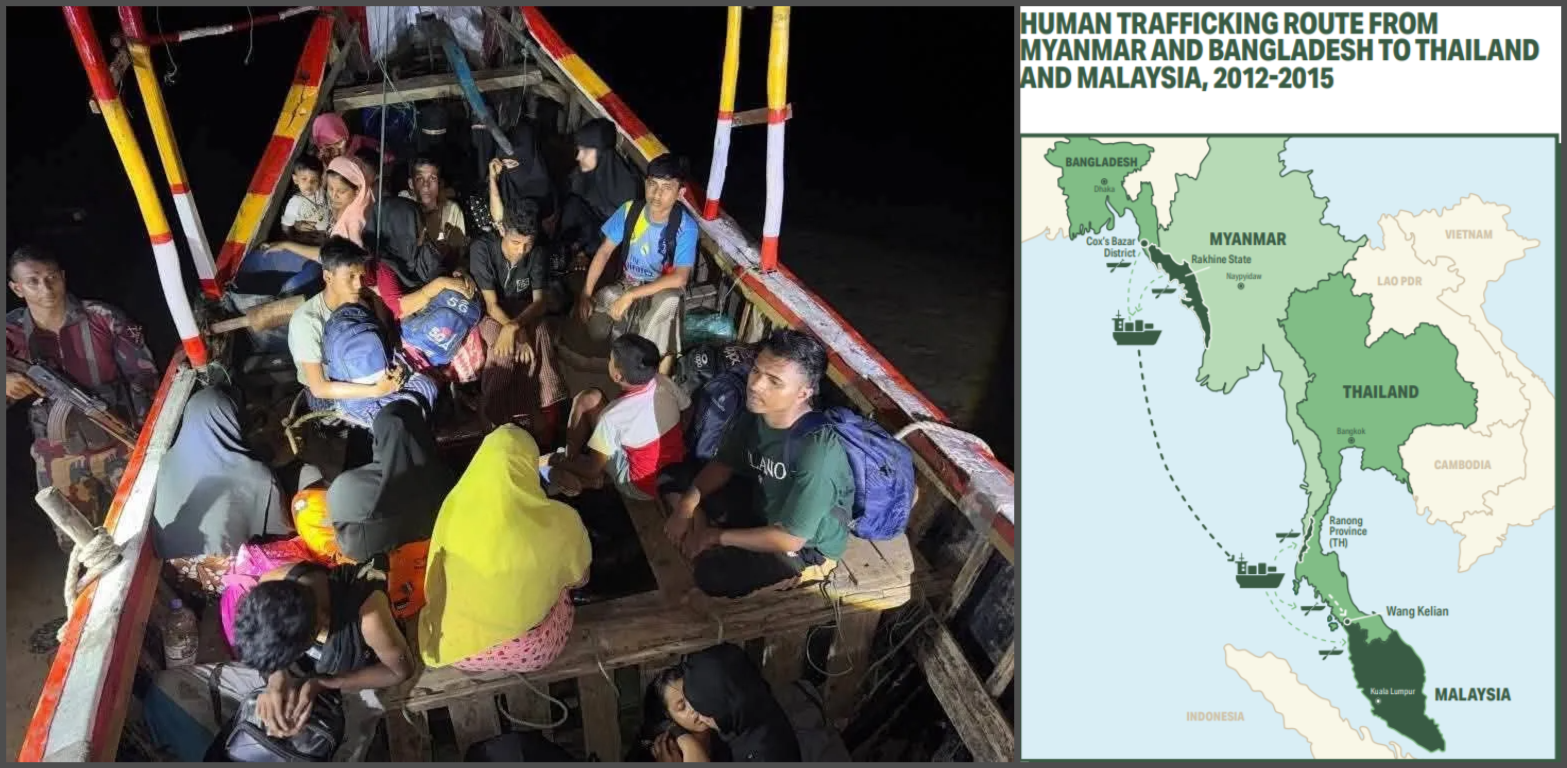
Rescued refugees taken in a boat; photo credit - RohingyaKhobor (left), and map of the trafficking route (right); image credit - Fortifyrights
In recent years, over half of those attempting these crossings have been women and children. The trend continued in 2026, with more than 2,800 Rohingya people undertaking dangerous sea journeys between January and 13 April.
Such tragedies are not long isolated events. It reflects a recurring pattern of maritime displacement across the Bay of Bengal and the Andaman Sea. Despite repeated loss of life, Rohingya migration by sea continues.
All these pose the question: What factors drive this dangerous maritime endeavour among these communities?
Running away from economic despair
While Bangladesh’s historical trajectory showed notable improvement, recent assessments paint a more challenging economic picture.
According to the Asian Development Bank’s Asian Development Outlook April 2026, Bangladesh’s Gross Domestic Product (GDP) growth is expected to slow to 4 per cent in 2026, down from previous years, alongside persistent inflation forecasted at 9 per cent.
This prolonged inflationary pressure has intensified financial stress on marginalised communities. The World Bank’s April 2026 Bangladesh Development Update notes that high food and non-food inflation, tight fiscal conditions, and banking-sector fragilities have led to rising poverty for three consecutive years.
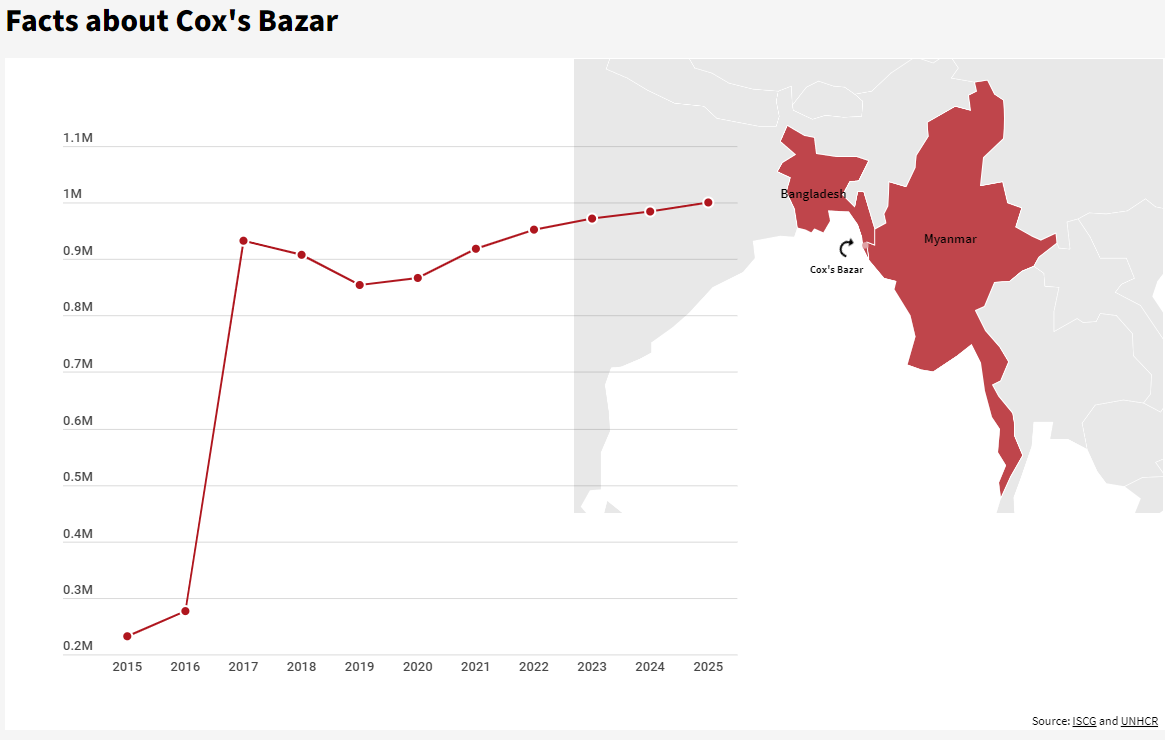
Compounded by external global economic shocks, the number of individuals projected to lift themselves out of poverty this year fell from an initial estimate of 1.7 million to just 0.5 million.
Furthermore, despite the Bangladesh government under Prime Minister Tarique Rahman outlining ambitious targets in his first national budget framework to boost long-term investment, the immediate economic reality remains constrained by a low tax-to-GDP ratio and limited access to finance for small and medium-sized enterprises.
This slowdown directly hinders broader wealth distribution and leaves vulnerable populations disproportionately bearing the burden of rising living costs.
Although economic inequality and environmental hazards such as major cyclones and coastal erosion have been rising, the main factors driving people to board these unstable boats have grown significantly due to compounding system failures.
Most of those at risk are stateless Rohingya people from Myanmar who remain stranded due to the rapid deterioration of religious persecution and increased violence in Rakhine State, along with vulnerable groups from Bangladesh’s overcrowded refugee camps in Cox’s Bazar, who continue to struggle in increasingly volatile conditions.
For these communities, the boat journey through the Bay of Bengal symbolises a journey towards a promising and secure life. However, once the voyage begins, they confront graver challenges.
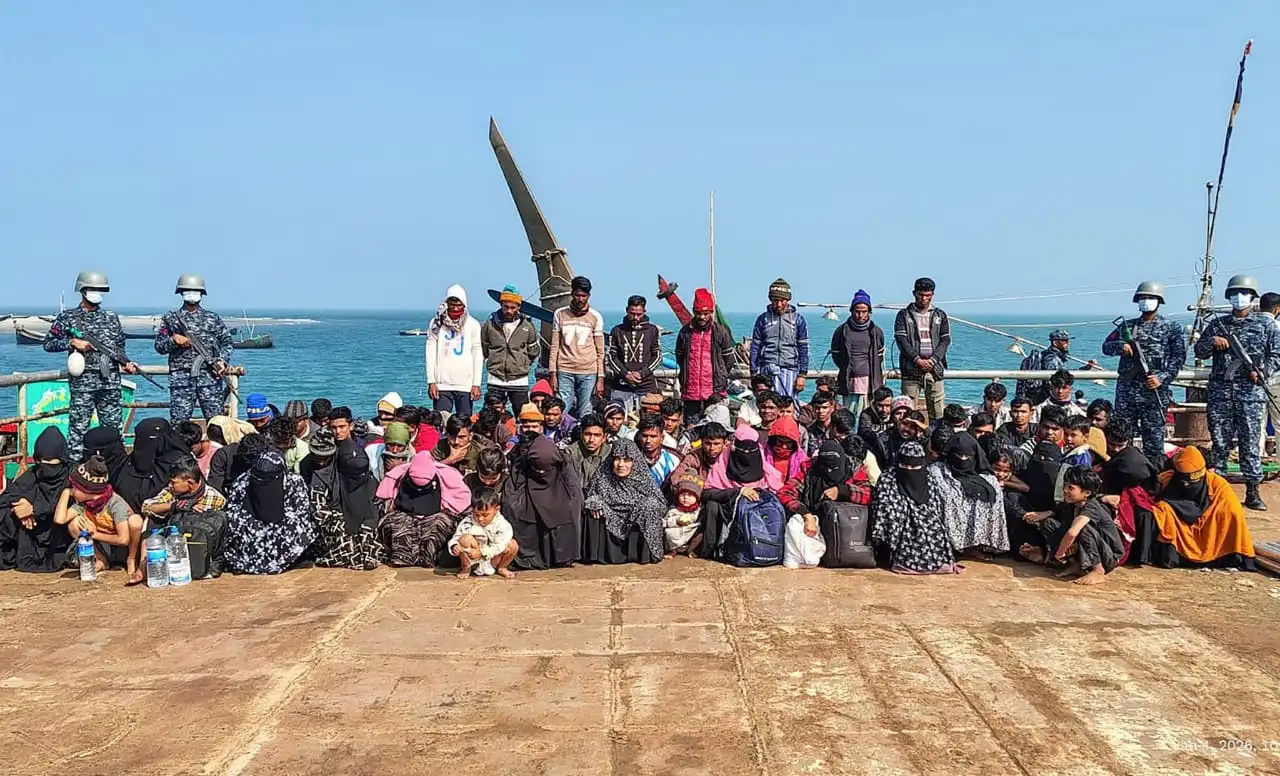
Rohingya refugees and their traffickers captured by the Bangladesh Navy while attempting to flee on a boat
Understanding the ‘boat people’ phenomenon
Boats are often overcrowded and unseaworthy, and typically depart from Cox’s Bazar in Bangladesh or from the Rakhine State in Myanmar towards Indonesia or Malaysia.
While most Rohingya refugees wish to return to Myanmar once conditions allow for a voluntary, dignified and safe return, the ongoing conflict, persecution and the absence of citizenship prospects in their homeland leave them with little hope.
Diminishing humanitarian aid, camp violence, and a lack of jobs or schooling in Bangladesh are also leaving Rohingya refugees with little choice. Desperate for a future, they increasingly turn to human traffickers in the Bay of Bengal, who are using more sophisticated and deceptive methods than ever to exploit them.
Transnational smuggling cartels are highly organised, time-tested, and multi-layered operations designed to exploit the desperation of those targeted. Constantly, victims are deceived by false offers of safe transport to a faraway country, or jobs abroad, and then confined to ‘maritime transit camps' or pushed on overcrowded, substandard ships.
The harrowing voyages on board ships are not the end, but the start of a refugee’s journey. What is often described as a two- or three-year cycle of captivity and exploitation evolves into some form of slavery as an outcome of forced trafficking.
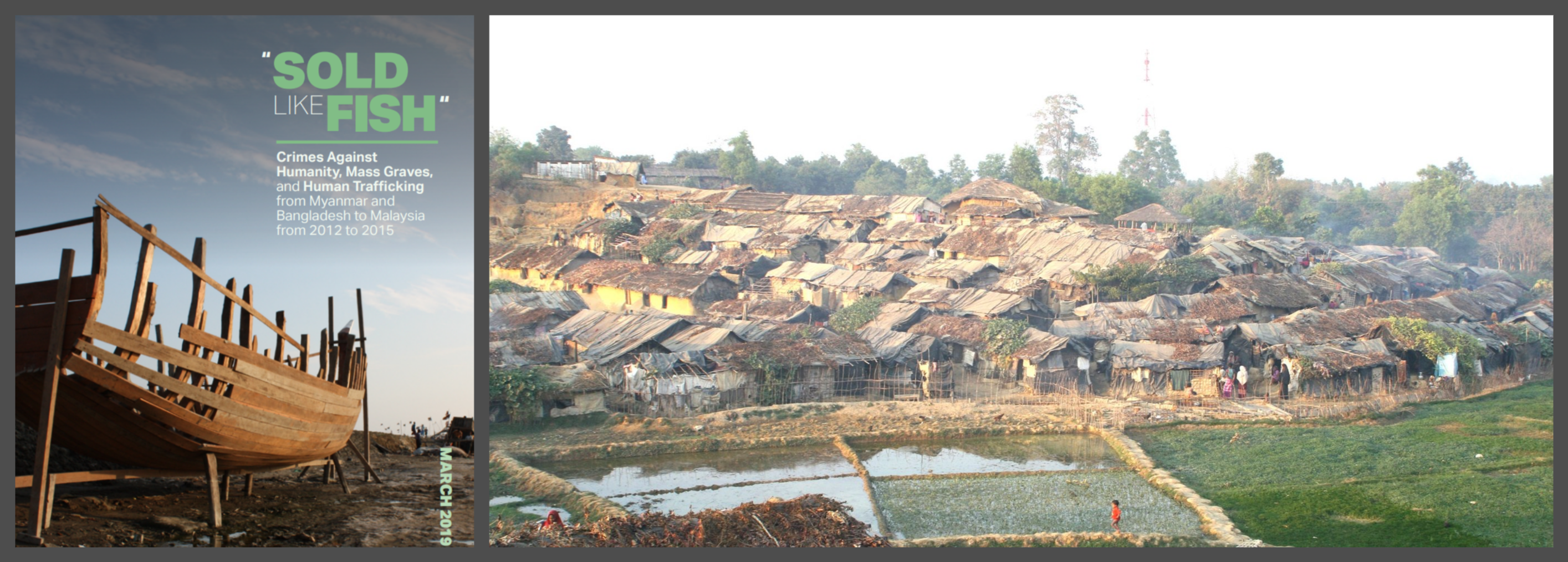
Front page of the report, Sold Like Fish (left), and the Kutupalong refugee camp in Bangladesh (right); photo credit - Maaz Hussain
A report by the Human Rights Commission of Malaysia (SUHAKAM) and Fortify Rights, titled Sold Like Fish, found that the criminals behind the trafficking of captive Rohingya were systematically committing crimes against humanity.
People are increasingly being imprisoned in concealed jungle transit camps at migration zones across the region and frequently detained for years under the conditions of repeated physical abuse, systematic starvation, and the denial of clean drinking water.
This abuse is a well-structured and multi-million dollar extortion business, as described in TIME Magazine’s report Human Traffickers Accused of Crimes Against Humanity.
Torture is said to be commonplace, with armed boat crews allegedly beating captives into submission to get them to communicate by satellite phone with their families, who are held at gunpoint to pay for the captives' freedom.
If one is too poor to afford the payment, the time spent in prison extends two to three years, in which many die as a result of being made excessively dry, or they are sold in the prison directly into forced labour or modern slavery.
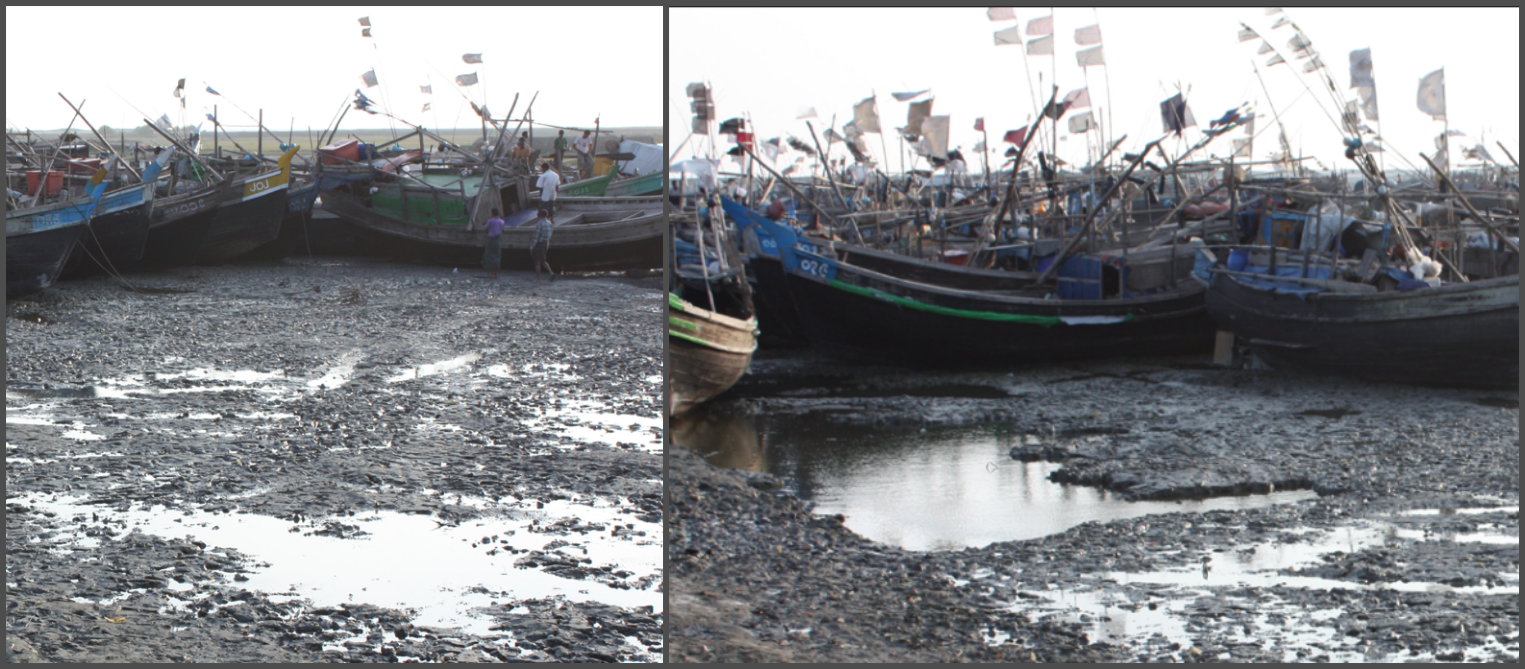
Fishing boats, used by traffickers to ferry Rohingya refugees out to larger ships in international waters, at low tide in Sittwe Township, Rakhine State, Myanmar; photo credit - FortifyRights
The misuse of mobile technology, satellite communications, and deadly violence by regional smuggling networks is well documented, and the large-scale operation of mobile technology-enabled ships as floating extortion hubs is a key feature of the Rohingya maritime crisis.
Traffickers regularly film themselves whipping and beating the starving victims and play them back to families in the Cox’s Bazar camps via mobile phones and use satellite phones to broadcast to households, threatening them with ransom demands, reports Al Jazeera.
Despite such dire conditions, the desire to migrate remains strong. Pockets of local networks, formed based on family ties and established migrant communities in destinations such as Malaysia and Indonesia, constantly nurture propensities toward vertical social integration.
Local fishermen, small businessmen and farmers who lack other means of survival and are in perennial economic hardship with few other financial avenues are reportedly targeted by these trafficker networks.
Law enforcement has stepped up significantly as the Bangladesh Coast Guard and local police forces are intensifying their operations in coastal hotspots such as Teknaf and Ukhiya to dismantle predatory networks targeting vulnerable populations. The Bangladesh armed forces have, of late, conducted multiple operations that led to the rescue of Rohingya refugees from the trafficking gangs.
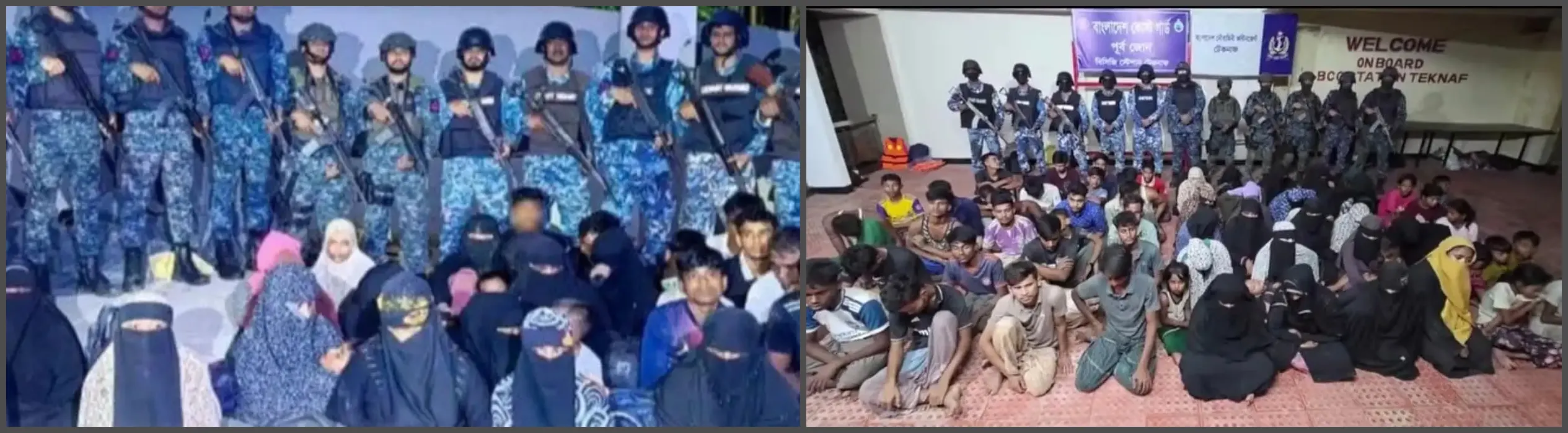
Rohingya refugees rescued from traffickers by Bangladesh armed forces in Teknaf - 39 (left) 66 (right)
On the other hand, intelligence-gathering and related operations in coastal Gorakhali, including transit zones like Bahachhara and Shahporir Dweep, have hampered the fishing sector, though effective in also arresting suspected middlemen involved in trafficking.
According to a release from the Bangladesh Sangbad Sangstha, the joint operations of the government forces have successfully saved “…hundreds of desperate people, including dozens of women and children, from the ever-expanding refugee camps through enticement offers of higher wages and safety in Malaysia.”
The heavily armed coastal checkpoints and constant surveillance are supposed to seal the human trafficking pathways at the source, though the Bangladeshi authorities admit that such streams of people are often ‘skinned’ around the naval checkpoints.
Laws of the shore
As a consequence of this informal sea-based migration, legislation on boat arrivals is being increasingly tightened in the Southeast Asian and Pacific Nations. Malaysia, for instance, is not a signatory country to the 1951 UN Refugee Convention, and individuals entering the country without permission are arrested as “illegal immigrants”.
The Dokumen Pendaftaran Pelarian (DPP) system, introduced by Malaysia’s Ministry of Home Affairs, further centralises control by having local immigration officials handle registration, biometrics, and monitoring of returnees, including those in IDCs. This has raised concerns about breaches of human rights protections and processing delays, according to Fortify Rights.
Boat arrivals in Indonesia (which has not signed the 1951 agreement) are also considered illegal migrants. However, humanitarian exceptions have been carved out by Presidential Regulation No. 125 of 2016, which allows for rescue, safe disembarkation, and temporary shelter.
The UNHCR and IOM provide medical assistance and support asylum processing. However, Indonesia claims that it is simply a transit country and refuses to provide long-term work visas and permanent resettlement rights to the refugees.
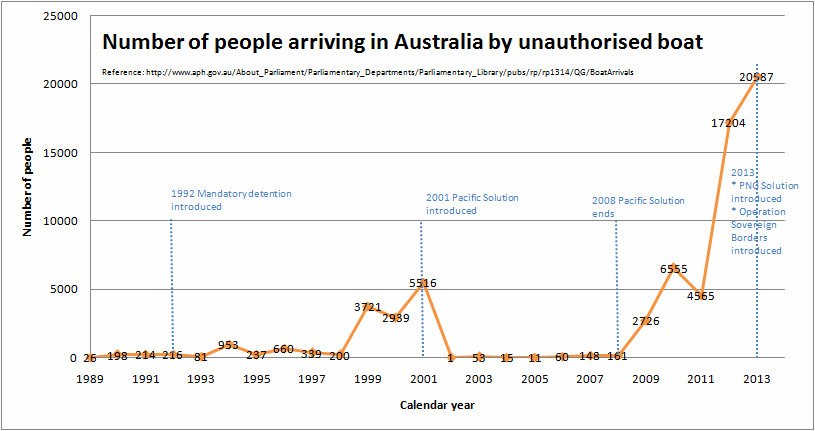
By contrast, the Australian immigration policy under its Operation Sovereign Borders is essentially a deterrence model which grants powers to military personnel to intercept and turn around boats and have those already landed in Australian waters without an operational visa refused residence in Australia.
Australia has also very strict border policies, meaning that no person who attempts to come to Australia in a boat (without a valid visa) is allowed to settle permanently here, even if they are accepted as a legitimate refugee by the government.
Instead, they are diverted to regional centres, such as Nauru in the Pacific, where their asylum claims are examined under what is known as Australia’s controversial offshore processing scheme. Refugees are also forwarded to other countries as part of certain special bilateral agreements negotiated with countries like the US and New Zealand, as a means to ensure their safety.
Bangladesh’s maritime migration policies, on the other hand, are multiaxial and regularly criticised in various reports on the region’s human rights and security. Dhaka only provides for a temporary shelter-based policy for the Rohingya people. There are no plans for long-term support and integration, besides the growing trend of domestic containment of the camped refugees.
This includes limiting their movement, as well as relocation to the Bhasan Char camp to relieve pressure in Cox’s Bazar, as detailed in the Human Rights Watch World Report. At the same time, the Bangladesh government is grappling with the challenge of preventing illegal citizens from emigrating via its borders as a result of economic insecurity.
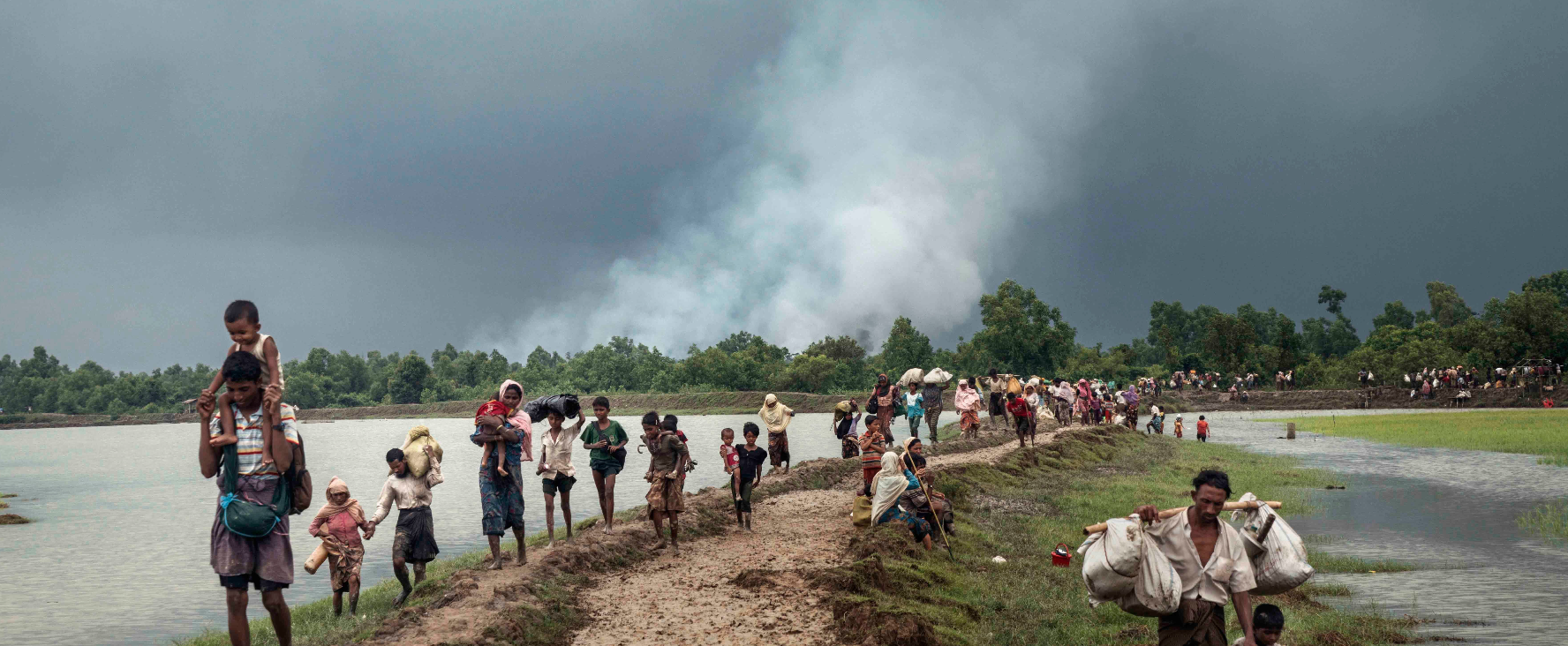
Rohingya refugees cross the Naf River that separates Myanmar from Bangladesh in September 2017; photo credit - Adam Dean/Panos
Despite the Bangladesh Coast Guard’s increased efforts against trafficking, various systemic socio-economic factors have pushed these groups to embark on perilous journeys by sea, and push the enforcement agencies to their limits along the southern coast of Bangladesh.
India, for its part, has established itself as the first responder and the ‘net security’ provider along the strategic maritime corridors of the Bay of Bengal. These irregular tracks often pass through or pass near India's Exclusive Economic Zones (EEZs), especially the Andaman and Nicobar Islands, rendering continuous surveillance by the Indian Navy and Coast Guard.
India’s search and rescue (SAR) capabilities, in fulfilment of humanitarian obligations, are also interwoven into India's hard-border deterrence scheme under India’s Mission SAGAR.
The Indian Navy, along with other regional navies, regularly intercept unflagged ships, guided by the Information Fusion Centre-Indian Ocean Region (IFC-IOR), making maritime policing a key element in addressing non-traditional security threats and human smuggling networks in the IOR.
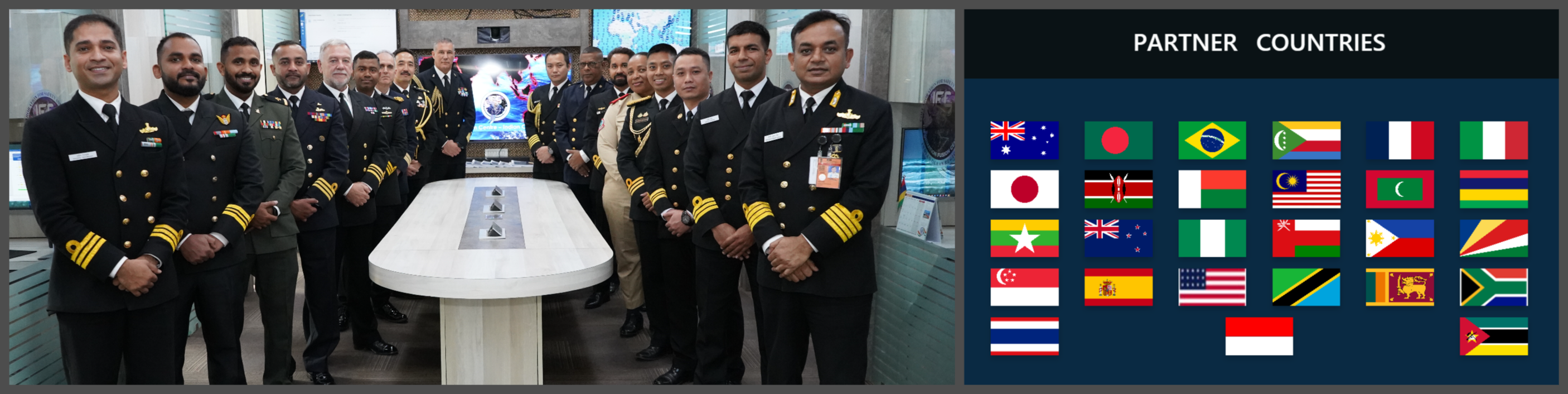
Officers of the IFC-IOR, led by the Indian Navy (left), and flags representing the partner countries of this consortium
The ‘Bay’ needs a relook
The Bay of Bengal is traditionally seen as a domain of ports, shipping routes, and strategic rivalry. But such narratives overlook the lives of people for whom the Bay is the final, precarious space for survival.
For Rohingya refugees in Myanmar who are fleeing state-led violence, and impoverished Bangladeshis who are bleeding out as a result of economic hardship and governance failures, the waters of the Bay are not simply a background to geopolitics, but a treacherous passage for securing their lives, safety, dignity, and opportunity.
These hapless people navigate a sea beset by human rights abuses, extortion, and death, and endure a voyage that is mediated by their traffickers and smugglers and takes place on ill-equipped vessels.
The current perspective on the Bay of Bengal states of South and Southeast Asia is overwhelmingly securitised, with an emphasis on maritime surveillance, law enforcement and border security as well as naval blockades.
Though the tools of securitisation work against the predatory groups of smugglers, many of these actions are impotent as they attempt to address a humanitarian crisis as if it were a matter of policing. A humanitarian-centric approach is missing in these measures, with insufficient efforts to tackle the insecurities of refugees or provide them with alternative means of livelihoods and social security.
In addition, regional frameworks are highly fragmented along with the ‘transit-country’ loophole. Despite being signatories to the 1951 Refugee Convention, host countries such as Bangladesh and transit countries like Malaysia or Indonesia bar permanent resettlement and long-term work visas, leaving thousands in legal limbo.
The absence of a common legal approach results in a reactive and exclusionary approach that includes, among other things, the exclusion of non-seaworthy boats from territorial waters, thereby directly contributing to the world's highest maritime mortality rates.
The systemic transition of the Bay of Bengal to its future as a humanitarian maritime space requires a multi-level policy roadmap that centres on human rights and actor agency in the policy process.
In the first place, the Association of South East Asian (ASEAN) and Indian Ocean littoral nations could eliminate unilateral deterrence and replace it with a mandatory, structured regional search-and-rescue (SAR) protocol, such as designated safe zones where vessels can disembark in the event of mass casualties at sea.
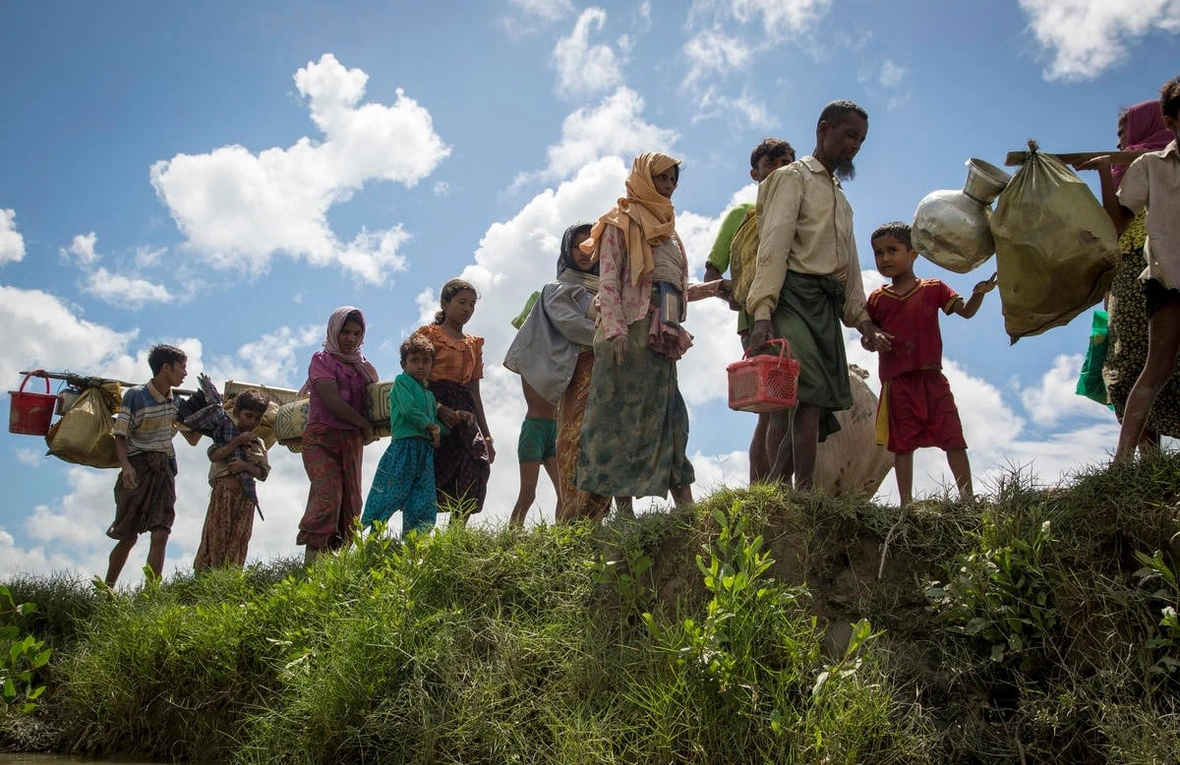
Rohingya refugees headed to Bangladesh; photo credit - Roger Arnold/UNHCR
Second, non-signatory transit states need to shift from complete exclusion to establishing national temporary protection architectures that afford refugees legal status to live, work temporarily and access basic education, which is likely to render the attractiveness of the trafficking industry to traffickers unprofitable.
Third, the refugee camps should be designed to transition from relief-in-a-warehouse to an ecosystem of economic development, by bringing in opportunities for microfinance, microeconomic production capacity, agricultural trade, vocational commerce, and so on.
Even if the states with jurisdiction over these regions were the only ones vulnerable, a bottom-up regional approach, beyond a national security paradigm, is needed to realistically tackle the issues within the region.
(Views expressed in this report are the authors' own.)
Follow us on WhatsApp
Follow us on Facebook
Follow us on X @vudmedia
Follow us on Substack

