
When Saudi Arabia and Pakistan signed a defence and security pact in September 2025, it raised eyebrows for its framing – treating aggression against one as an act against both, and the inherent nuclear umbrella. Eleven months later, both countries enacted a new defence agreement, co-opting Türkiye, a NATO member, and forming a broad Sunni alliance, symbolically formed in Mecca. But beyond their ‘attack on one as attack on all’ mutual commitment, what emerges is an attempt at a post-American, middle-power security architecture by three actors, bound not by common theological ideology but by strategic interests, including the potential for defence technological cooperation. Beyond deterring ‘adversaries,’ the troika seemingly seeks to become security entrepreneurs through a security arc whose influence might go beyond the Gulf region to the larger region, from the Mediterranean to the Indian Ocean. While New Delhi will be naturally wary, the message inherent in the Mecca accord is the arrival of another influential middle-powers’ collective into a security landscape where India currently has leverage, says Professor Swaran Singh in the 29th edition of Asia Watch.
Home page image: Flags of Pakistan, Turkey and Saudi Arabia
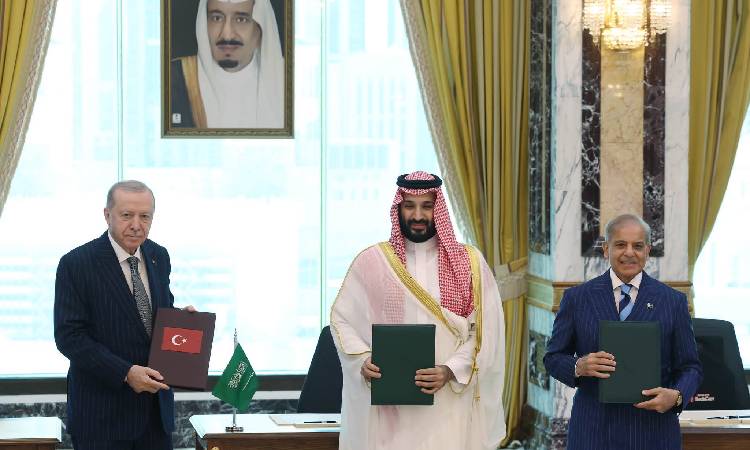
Text page image: Turkish President Recep Tayyip Erdogan, Saudi Crown Prince Mohammed bin Salman and Pakistan Prime Minister Shehbaz Sharif displaying the Mecca Agreement
Banner image: The 157th Expeditionary Fighter Generation Squadron and the 378th Expeditionary Maintenance Squadron of the US Air Force at Prince Sultan Air Base. The “Swamp Fox” group was deployed to project combat power and bolster defensive capability in the Persian Gulf
On the evening of August 7, 2026, three leaders stood together in Mecca to alter the strategic grammar of the wider Middle East region. Saudi Arabia’s Crown Prince Mohammed bin Salman, Turkish President Recep Tayyip Erdo?an and Pakistani Prime Minister Shehbaz Sharif unveiled the Mecca Joint Defence Agreement.
The pact promises closer military cooperation, intelligence sharing, joint exercises, defence-industrial collaboration and, most strikingly, a collective defence-deterrence arrangement that treats aggression against one signatory as aggression against all.
The fact that it involves three large Sunni Muslim nations may see some commentators naming it as Islamic NATO. Others may dismiss it by comparing it to the Baghdad Pact of the 1950s or the Gulf Cooperation Council’s Peninsula Shield Force of the 1980s, and belittle its strategic significance.
Both these extremes, however, miss the larger point: The significance of the Mecca Agreement lies less in what it says than in what it represents.
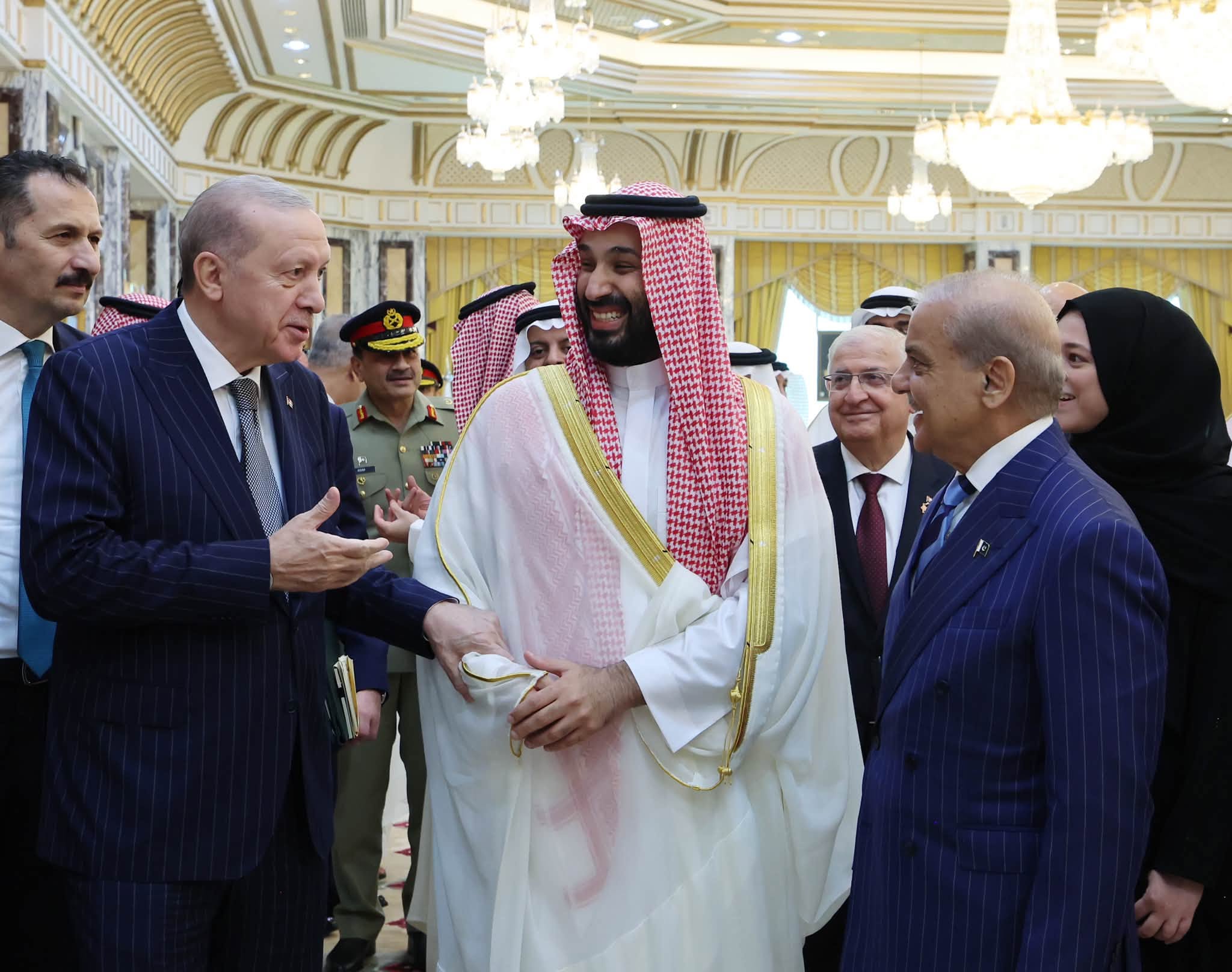
Turkish President Recep Tayyip Erdogan in a lighter moment with Saudi Prince Mohammed bin Salman and Pakistan PM Shehbaz Sharif in Mecca
This agreement is not likely to end up simply as another Middle Eastern initiative. Nor should it be restrained to a mere Sunni realignment against Iran, which shares problematic land borders with Türkiye and Pakistan, and equally problematic equations with Saudi Arabia.
Its significance instead lies in its reinforcing something international relations scholars have long anticipated but rarely witnessed so starkly: a middle-power security architecture created not by great powers, but by regional powers seeking strategic autonomy in an increasingly fragmented international order.
From this perspective, its strategic space stretches from the Eastern Mediterranean through the Red Sea and the Gulf to the Arabian Sea and the wider Indian Ocean. In doing so, it then integrates regions that strategic communities have so far analysed, but as disparate theatres of minimal consequence.
The Gulf’s post-American moment
For nearly eight decades, the security of the Persian Gulf rested upon a simple strategic fulcrum. The United States guaranteed regional stability while the Gulf monarchies — anchored in global energy markets — remained closely integrated with the American-led security architecture.
From the Carter Doctrine of 1980 through Operations Desert Shield of 1990 and Desert Storm of 1991, and the reestablishment of the US Fifth Fleet headquarters in Bahrain in 1995, these successive American military deployments across the Gulf region ensured Washington remained the indispensable external security guarantor for Gulf monarchies.
That strategic bargain no longer commands the same confidence. No doubt, the United States remains the world’s most formidable military actor, with unmatched power-projection capabilities and extensive defence partnerships throughout the Gulf.
What has changed is something subtler and yet strategically profound. Regional powers — that for the last decade had become increasingly unsure about such external guarantees against their rapidly evolving security threats — have, in the midst of the Iran war, begun to question that formulation.
This experience of threats from repeated missile and drone attacks on the Gulf energy infrastructure (and Amerian military bases), the prolonged Houthi campaigns against Saudi Arabia and the Red Sea shipping, uncertainty generated by the closure of Strait of Hormuz, and visible policy differences between Washington and successive regional partners, including with its most reliable ally Netanyahu, have reinforced the sentiment that their security dependence on the United States has become an increasingly risky proposition.
This is what makes the Mecca Joint Defence Agreement long in the making, though it involved only several months of formal negotiations. This is what also lends weight to its quiet assertion that regional security should increasingly be organised by regional powers themselves.
In fact, US President Donald Trump has also been prescribing the same formula to all his allies as part of his ‘America First’ aspiration. That is why the Mecca Joint Defence Agreement deserves not to be dismissed, and its implications beyond the Middle Eastern region need deeper examination.
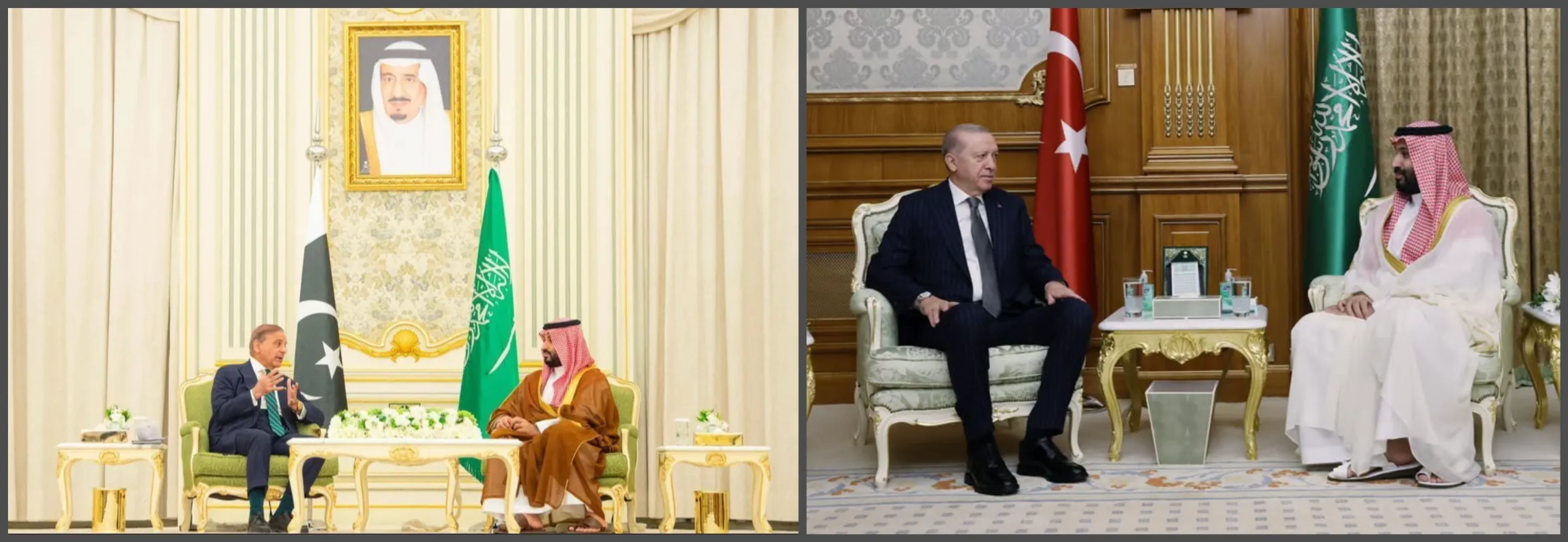
Saudi Prince Mohammed bin Salman with Pakistan PM Shehbaz Sharif (left), and Turkish President Recep Tayyip Erdogan (right)
Not an anti-Iran or anti-Israel alliance
It will be myopic to fall prey to easy narratives portraying the Mecca Joint Defence Agreement as a Sunni military alliance directed against Iran or Israel. The reality is considerably more nuanced.
Saudi Arabia has spent the last several years simultaneously improving relations with Tehran and Tel Aviv while expanding defence cooperation with Washington, Beijing, Islamabad, Kyiv and now Ankara.
This especially puts an end to a two-century-old rivalry between Turkish and Saudi nations that began with the Ottoman Empire’s 1814 invasion and destruction of the House of Saud till the killing of Saudi dissident Adnan Khashoggi in the Saudi Consulate in Istanbul in 2018. Riyadh has shown remarkable diplomatic flexibility, seeking productive relations with mutually competing great powers rather than seeking exclusive alignment with any one of them.
Türkiye, a NATO member, has also become increasingly pragmatic with increasingly independent strategic ambitions. Ankara purchases advanced Russian S-400 missile systems while also joining Western nations by providing defence exports to Ukraine. Türkiye has also been expanding influence across Africa, Central Asia and the Middle East.
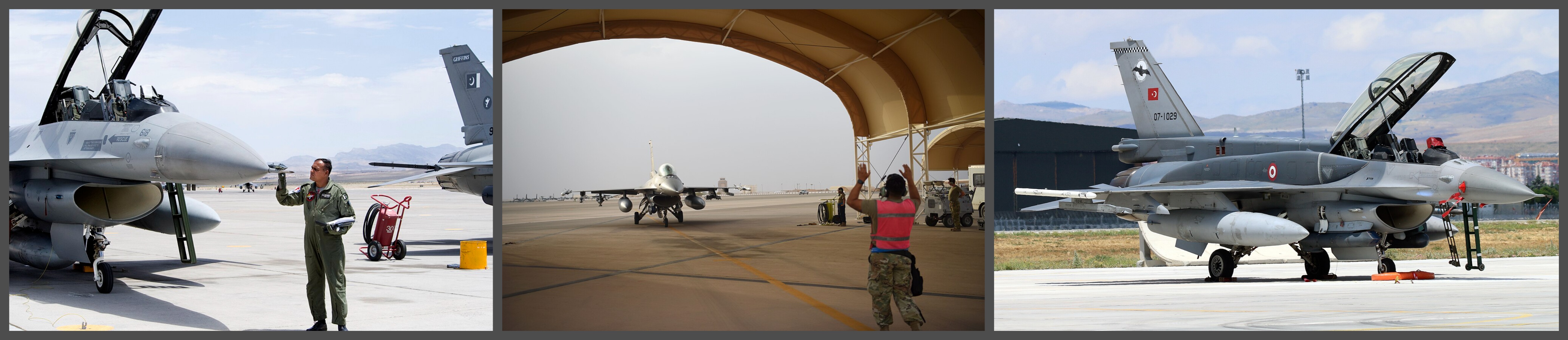
All from America: A Pakistan Air Force officer checks on a F-16 of his force (left), a USAF F-16 ushered into the hangar at Prince Sultan Air Base in Saudi Arabia (centre), and a F-16 of the Turkish Air Force on the tarmac
Pakistan’s calculus has also become equally multidimensional. Islamabad maintains an ‘all-weather’ friendship with Beijing, including close defence cooperation and longstanding military ties with Saudi Arabia, and maintains a complex balance with Washington.
Above all, Islamabad has a difficult but fruitful engagement with neighbouring Iran as well, which enabled it to act as a key mediator in the US-Iran conflict.
The common denominator is therefore not ideology; it is pragmatism and strategic autonomy. Each signatory seeks greater freedom to pursue national interests without excessive dependence upon any single external patron.
This may ultimately prove to be the Mecca Agreement’s most enduring legacy and inspire similar initiatives elsewhere.
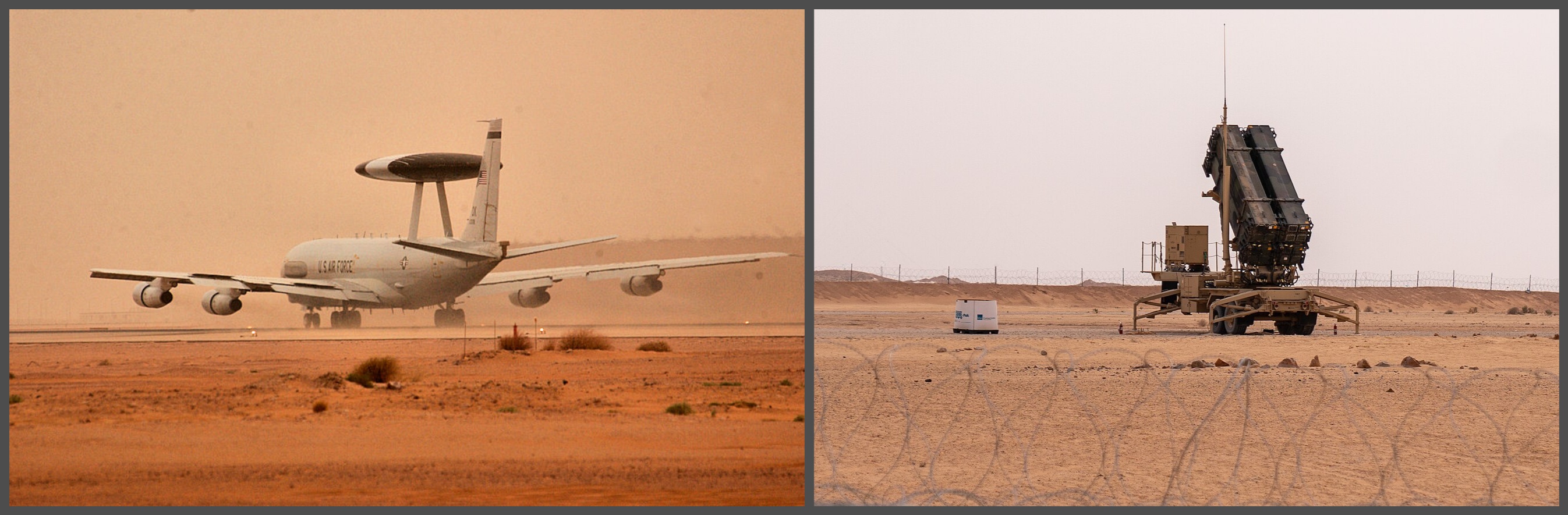
A US Air Force AWACS aircraft takes off amid a sandstorm from the Prince Sultan Air Base in Saudi Arabia (left), and a US Patriot Missile Defence System deployed at the Air Base
From petrodollars to defence production
The second transformation unfolding beneath the Mecca Agreement is likely to receive far less attention than the media focus on their collective defence commitment.
For decades, much of the Muslim world purchased sophisticated weapons, remaining dependent upon external suppliers for not just these weapons but also for technology, maintenance and operational integration. That model is changing fast.
Saudi Arabia’s Vision 2030 explicitly seeks to localise half of its defence procurement through technology transfer and indigenous manufacturing. Türkiye, for its part, has already demonstrated what sustained investment can achieve in defence production.
Once heavily dependent on imported military equipment, it has emerged as one of the world’s fastest-growing defence exporters. Turkish unmanned aerial vehicles, precision-guided munitions, naval platforms and armoured vehicles now operate across Europe, Africa, Central Asia and the Middle East.
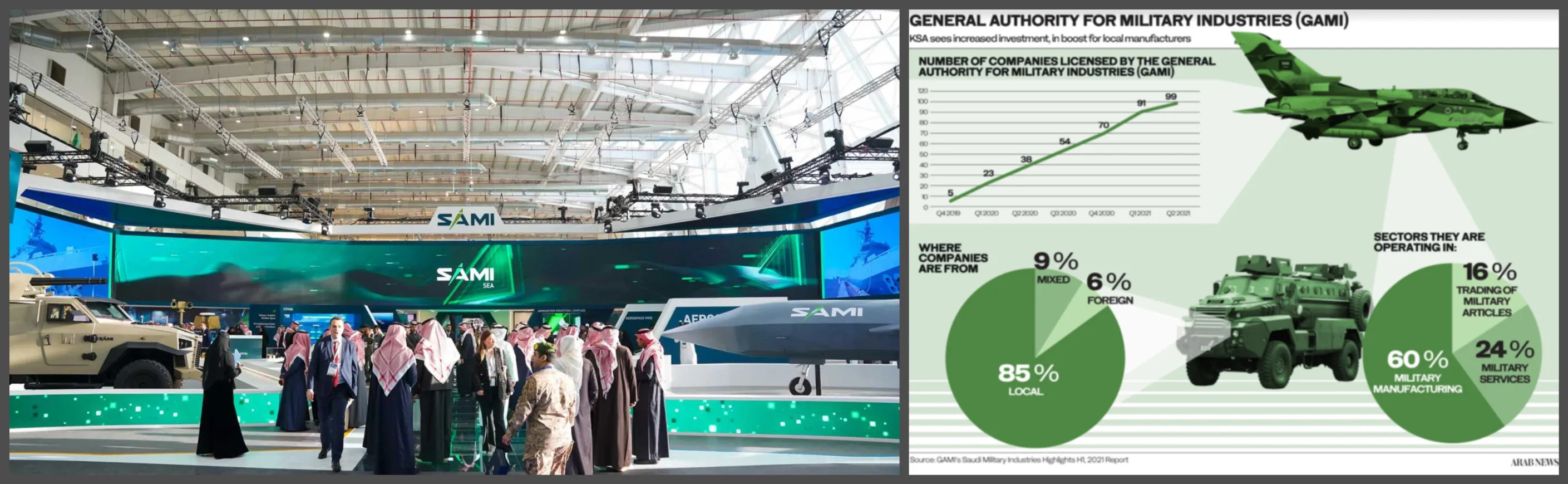
The Saudi Arabian Military Industries (SAMI) pavilion at the 2025 World Defence Show in Riyadh (left), and data of the General Authority for Military Industries on defence production in Saudi Arabia; image credit - Arab News (right)
Pakistan contributes a different asset. Its defence industry may not rival Türkiye’s technological sophistication. Yet, it possesses decades of production experience in aircraft, armoured vehicles, missiles and conventional military systems, supported by one of the largest and operationally experienced armed forces in the Islamic world.
Combined, these capabilities point towards something far more ambitious than intel sharing and joint military exercises. They suggest the gradual emergence of an integrated defence-industrial ecosystem. In other words, the Mecca Agreement is not merely about deterring adversaries. It is equally about producing technologies through which future deterrence will be sustained.
If the twentieth-century Gulf witnessed the political economy of petrodollars, the twenty-first may increasingly witness their transformation into defence-industrial capital. That represents a profound and fundamental shift in regional security architecture.
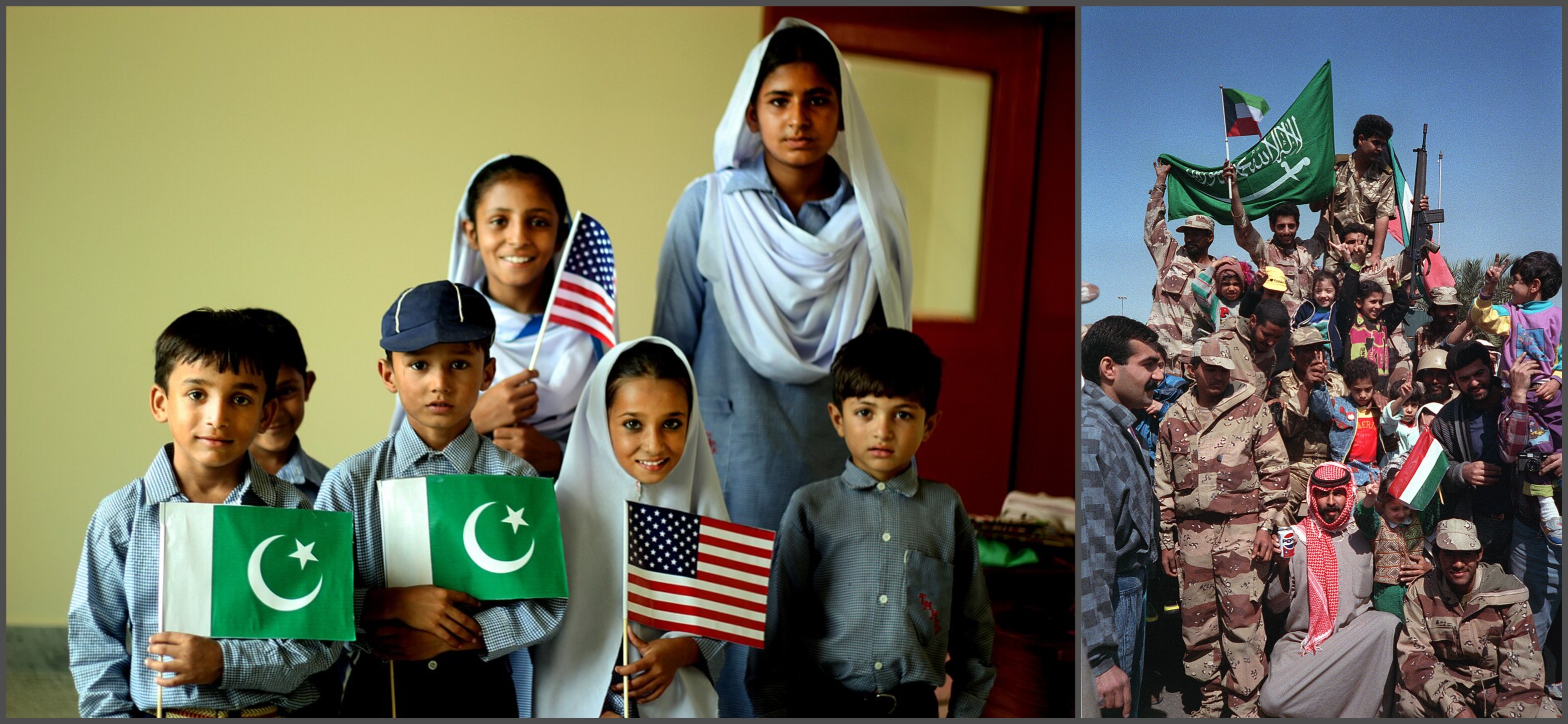
Beneficiary children of USAID holding the Pakistan and American flags (left), and civilians and soldiers holding Saudi and Kuwaiti flags after the success of the US-led Operation Desert Storm
The rise of middle powers
Recent decades have seen international politics being described as entering a multipolar age. Yet discussions of multipolarity have usually focused on great powers — the United States, China, Russia and, increasingly, India.
The Mecca Agreement highlights another equally significant trend: Middle powers are no longer waiting for great-power consensus before constructing regional institutions. Instead, they are themselves becoming security entrepreneurs in their own right.
In the case of the Mecca Agreement, all three actors bring their distinct value into play.
Saudi Arabia contributes financial capacity, diplomatic influence and geographic centrality. Türkiye contributes advanced military technologies and an increasingly competitive defence industry. Pakistan brings in operational experience, significant conventional military capability and, more importantly, the strategic weight that comes from being the Islamic world’s only declared nuclear-armed state.
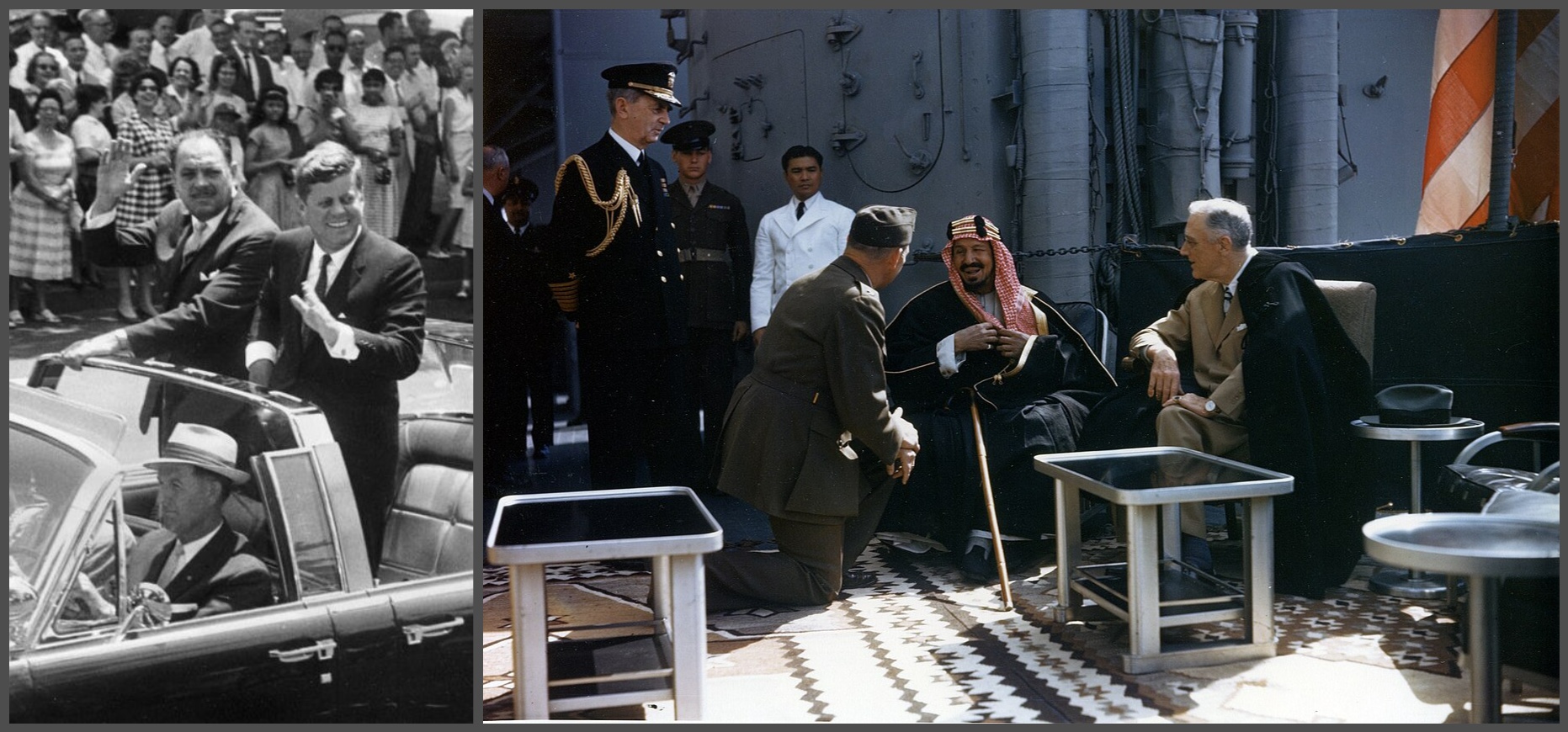
Pakistan President Ayub Khan with US President John F. Kennedy in Washington D.C., July 1961; photo credit - Abbie Rowe (left) and Saudi King Ibn Saud converses with President Franklin D. Roosevelt on board the USS Quincy, after the Yalta Conference of 1945
While the agreement itself does not establish nuclear cooperation, Pakistan’s nuclear status, accompanied by its sporadic nuclear rhetoric, inevitably strengthens the broader strategic profile of the partnership and shapes regional perceptions of its deterrent value.
Together, they create a triangle whose cumulative influence exceeds the total sum of its individual parts. That is what makes its birth not just another case of alliance in the traditional Cold War sense. It may instead represent the first genuinely indigenous security architecture designed by regional middle powers for an increasingly post-American, yet not anti-American, regional order.
But does the Mecca Joint Defence Agreement really signal the rise of a new middle-power security architecture that can defy great-power rivalry?
If the first phase of Middle Eastern geopolitics revolved around oil, and the second around ideology, the third is increasingly being shaped by technology. The survival of the Mecca Joint Defence Agreement, therefore, must not be read primarily as a diplomatic document. It should be read as an industrial blueprint as well.
If that happens, historians may look back on the Mecca Agreement less as the site where three leaders signed another treaty and more as the birthplace of an indigenous Muslim middle-powers’ military-industrial complex. Technology may become its winning linchpin.
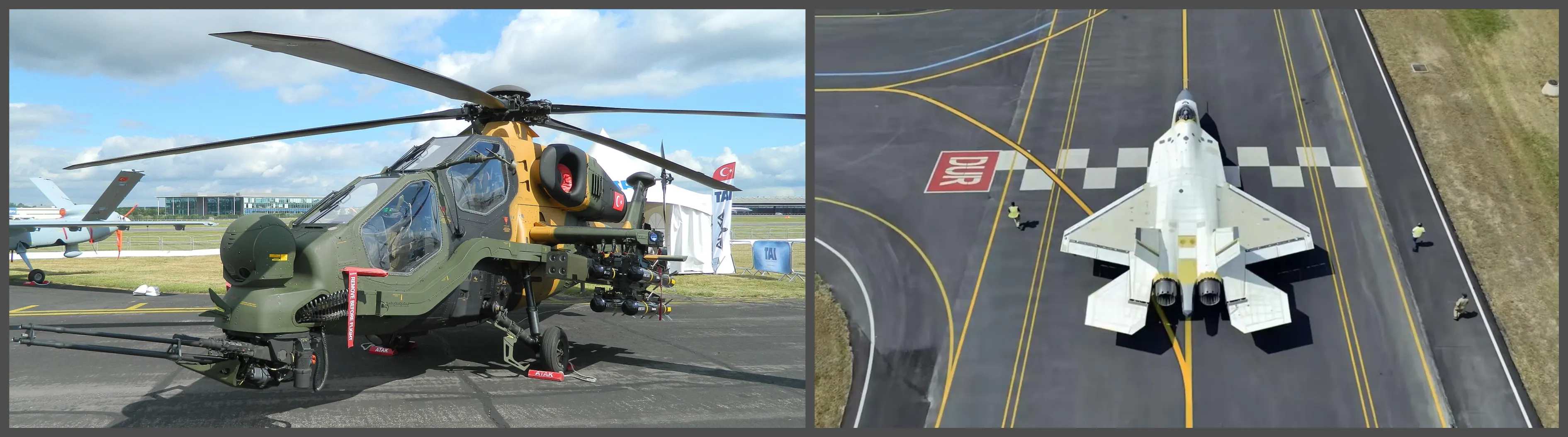
A Turkish T-129 helicopter (left), and a Turkish Aerospace Industries KAAN fighter jet during its pre-flight taxi tests, in Ankara on July 31, 2026; photo credit - TUSAS-TR
The ‘drone’ triangle
Every major conflict of the past decade has demonstrated one unmistakable lesson: future wars will be decided as much by software, sensors and autonomous systems as by tanks and fighter aircraft.
Starting from drones becoming US President Obama’s signature weapon in Afghanistan, the Ukraine and Iran wars have transformed drones from tactical innovations into strategic necessities even for less advanced nations.
Azerbaijan’s victory in Nagorno-Karabakh had highlighted the operational impact of unmanned systems. The Red Sea crisis has likewise demonstrated how relatively inexpensive drones and missiles could impose disproportionate economic costs on global shipping.
No country has benefited more from this transformation than Türkiye. Within little more than a decade, Ankara has built one of the world’s most dynamic defence industries. Turkish-made Bayraktar TB2s, Akinci combat drones, K?z?lelma unmanned combat aircraft, indigenous missiles, corvettes, frigates and armoured vehicles have become symbols of a new technological confidence.
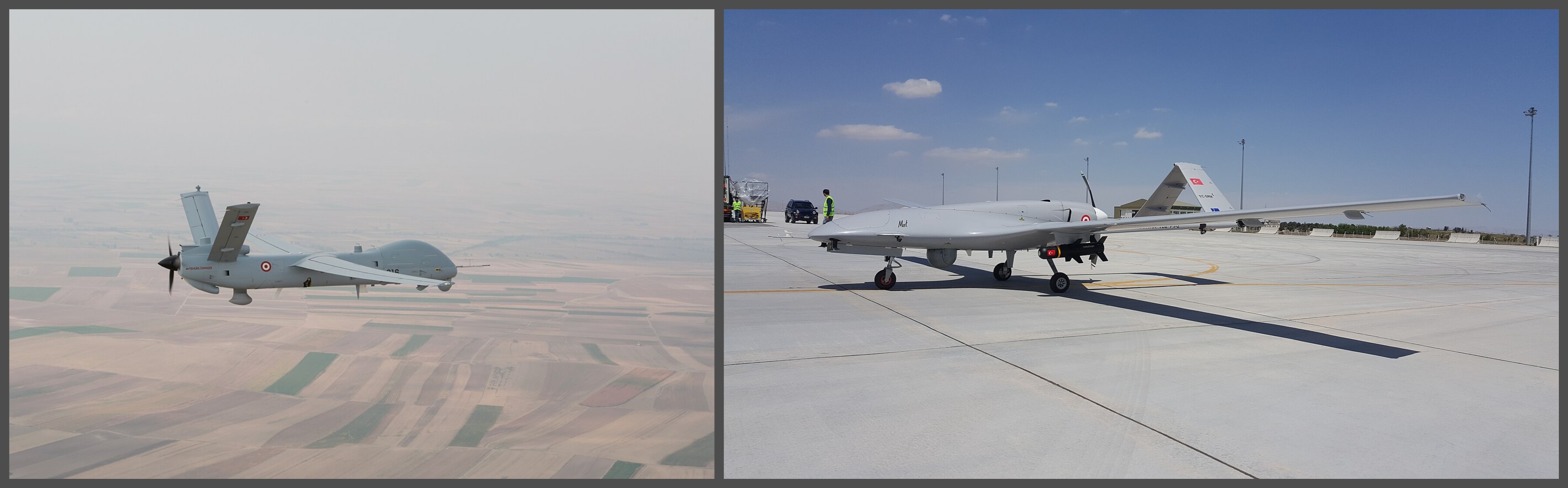
The TAI Anka, an unmanned aerial vehicle developed by the Turkish Aerospace Industries (left); photo credit - Mustafa Karabas, and Bayraktar TB2 loaded with MAM-L munition (right)
Defence exports from Türkiye have expanded dramatically, reaching markets from Eastern Europe to Africa and Southeast Asia.
Saudi Arabia brings an entirely different comparative advantage. Its comparative strength lies neither in battlefield experience nor technological innovation but in financial capacity and strategic ambition. Saudi’s Vision 2030 explicitly views defence production not simply as a security imperative but as an engine of economic diversification beyond hydrocarbons.
Pakistan's armed forces possess extensive operational experience across conventional and asymmetric warfare. Pakistan’s defence industrial complex includes institutions such as the Pakistan Aeronautical Complex, Heavy Industries Taxila and the National Engineering and Scientific Commission.
Put together, their emerging division of labour is striking: Türkiye develops, Saudi Arabia finances, and Pakistan operationalises. That formula could potentially reshape defence production and procurement across the Islamic world.
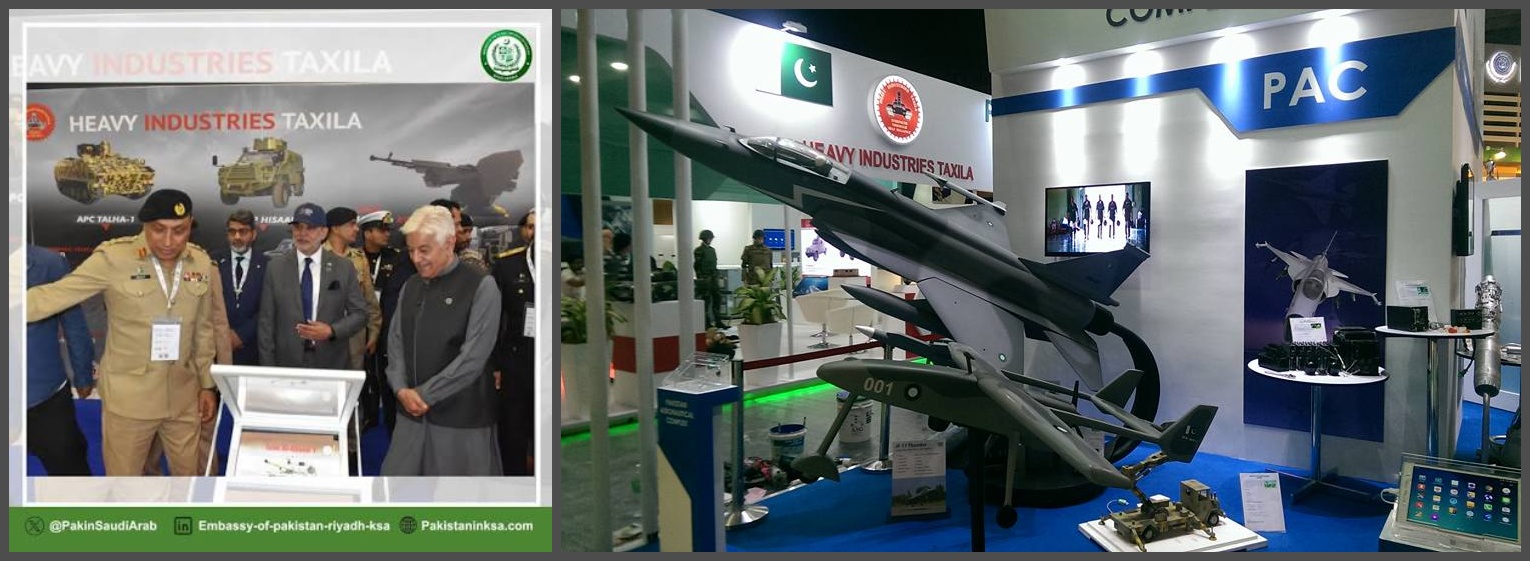
The pavilions of the Heavy Industries Taxila (HIT), Pakistan's key defence production organisation
When strategy replaces ideology
Perhaps the most intriguing feature of the Mecca Joint Defence Agreement is what it does not contain. For a change, there is no sweeping ideological manifesto. No call for pan-Islamic political unity. No civilisational rhetoric reminiscent of earlier decades.
That omission seems deliberate. For much of the twentieth century, competing ideological projects sought to define leadership within the Muslim world — Arab nationalism, revolutionary Shiism, political Islam, pan-Islamism and competing monarchic visions claiming historical legitimacy.
Few produced durable institutional frameworks capable of managing regional security.
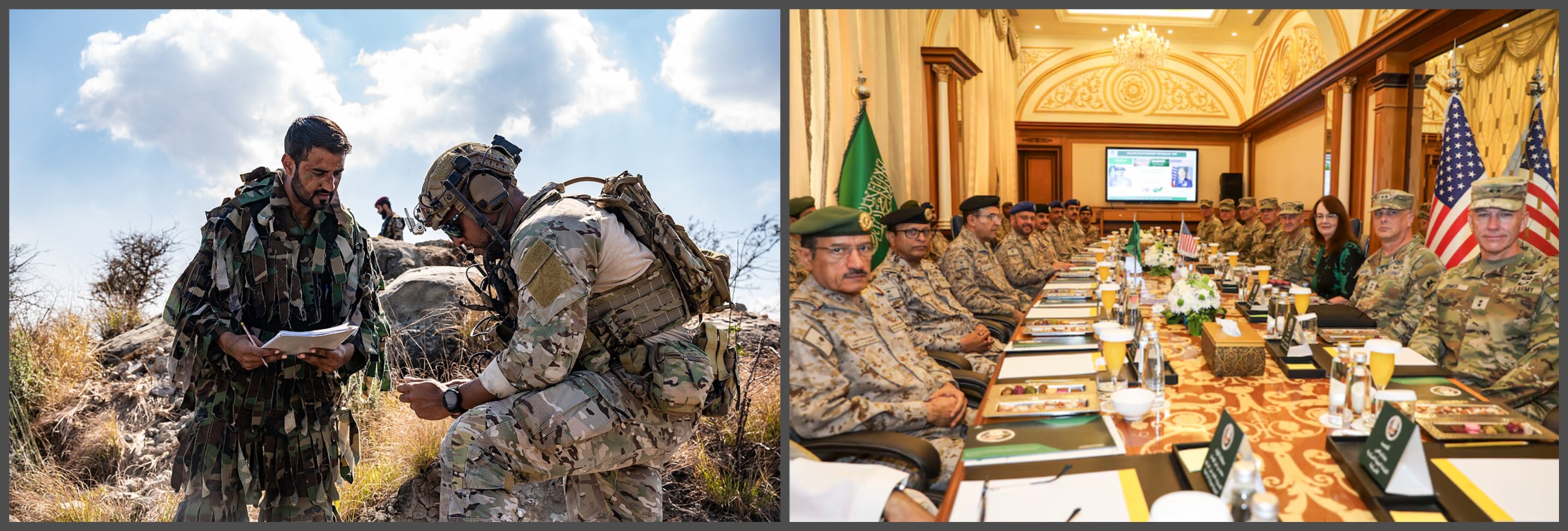
Personnel of the US Air Force and Pakistan Air Force during a joint exercise (left), and a meeting of Saudi and US defence officials (right)
In that respect, the agreement reflects a broader transformation visible across the Global South at large. Regional powers increasingly cooperate not because they share identical political systems or ideological preferences but because they confront similar strategic challenges.
Security, technology and economic resilience have thus replaced the grand ideological narratives as realism quietly displaces romanticism.
From Eastern Mediterranean to Indian Ocean
Perhaps, the greatest analytical mistake would be to treat the Mecca Agreement as merely another Middle Eastern arrangement. Appreciation of its geography tells a different story as well.
Türkiye anchors the Eastern Mediterranean and Black Sea. Saudi Arabia occupies the strategic intersection of the Red Sea and the Persian Gulf. Pakistan connects the Arabian Sea with South Asia and the western Indian Ocean. Together they create a strategic arc stretching across nearly 7,000 kilometres of maritime space.
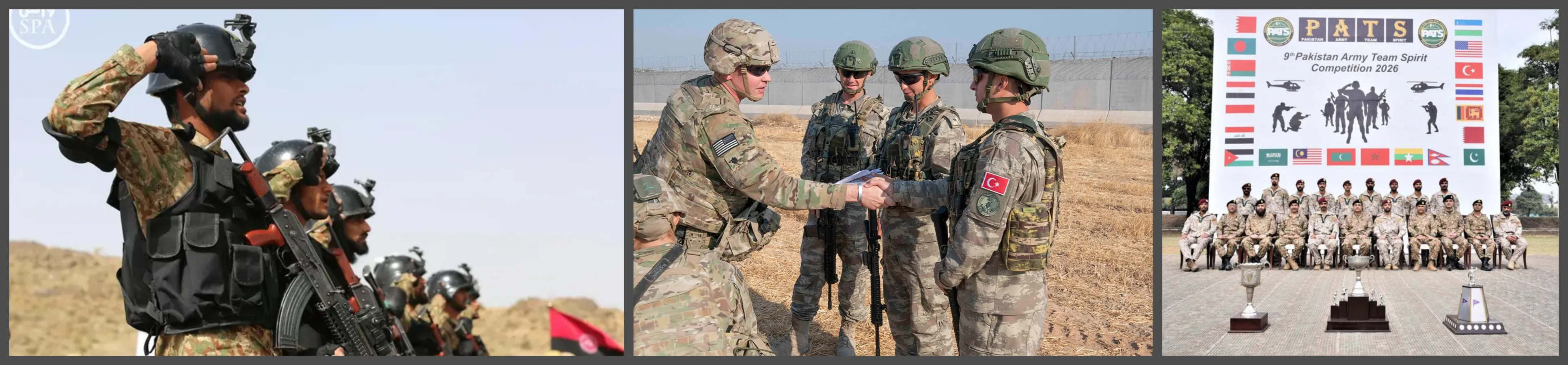
Saudi Land Forces and Pak Special Forces during a joint military exercise, Al-Samsam 5, in Shamrakh field, Saudi Arabia (left), US and Turkish soldiers conduct a joint patrol in northeast Syria; photo credit - Andrew Goedl (centre), Field Marshal Asim Munir with officers of Turkiye, Uzbekistan, Bangladesh, Egypt, Jordan and Qatar during the Pakistan Army Tea Spirit Competition 2026 (right)
This matters because the world’s principal maritime chokepoints increasingly function as an interconnected security system rather than isolated theatres. The Dardanelles, Suez Canal, Bab el-Mandeb, Strait of Hormuz, Arabian Sea, and the wider Indian Ocean: Disruption at one reverberates across all.
The recent Houthi attacks on commercial shipping illustrate precisely this reality. Vessels rerouted around the Cape of Good Hope increase shipping costs, insurance premiums and delivery timelines by two weeks while affecting energy markets far beyond the Middle East.
Seen through this lens, the Mecca Joint Defence Agreement is not simply a Gulf security initiative. It is an Indian Ocean security initiative as well. That distinction has profound implications for India, East Africa and even Southeast Asia.
What this means for India?
Indian commentaries will inevitably ask whether the Mecca Agreement is detrimental to India or can it undercut India’s working relationships across the spectrum of Gulf nations. That question misses the larger strategic picture. None of the three signatories benefits from sustained confrontation with New Delhi.
Saudi Arabia has become one of India’s most significant strategic and energy partners. Türkiye’s relations with India remain complicated, particularly over Kashmir, yet bilateral trade and economic engagement continue. Pakistan’s rivalry with India is structural, but Islamabad understands that an overtly anti-India alliance would immediately narrow the agreement’s diplomatic appeal.
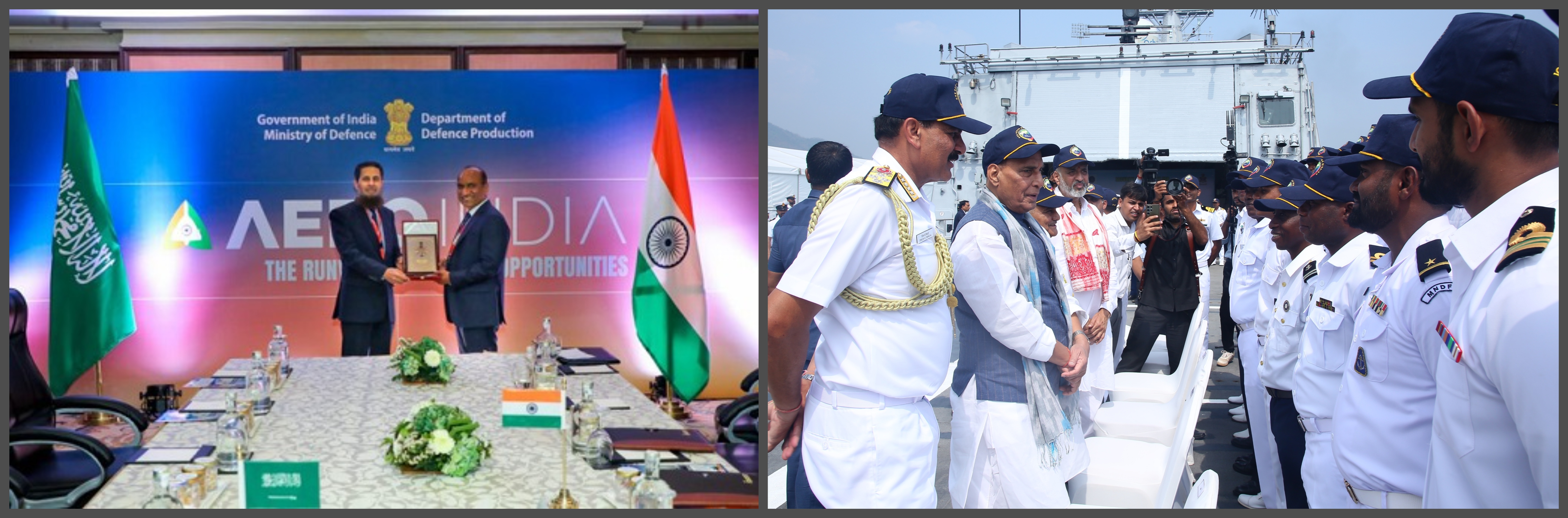
India's Secretary of Defence Production, Sanjeev Kumar, with Dr Mohammed AlKahtani, CTO of SAMI during the Aero India 2025 (left), and Defence Minister Rajnath Singh meets the team members of IOR Sagar mission (right)
The challenge for New Delhi lies elsewhere. India has increasingly positioned itself as the leading security provider in the Indian Ocean through initiatives such as SAGAR and MAHASAGAR, the Indo-Pacific Oceans Initiative and expanding naval partnerships with the Gulf nations.
The emergence of another indigenous regional security architecture does not necessarily undermine India’s stature. But it does introduce another influential actor/collective into the evolving security landscape. Rather than asking whether the Mecca agreement targets India, New Delhi should ask whether it reshapes the balance of influence across the western Indian Ocean. The answer is certainly yes.
India must reckon that the Mecca Joint Defence Agreement is neither anti-American nor pro-Chinese but seeks to engage both these nations. One temptation in strategic analysis is to interpret every new alignment through the lens of US-China competition. The Mecca Agreement resists that binary.
Saudi Arabia will continue to rely heavily upon American military technology while simultaneously deepening economic cooperation with China. Türkiye will remain a NATO member despite pursuing increasingly autonomous foreign policies. Pakistan will retain its close strategic partnership with Beijing while maintaining important security links with Gulf monarchies as well as Washington, DC.
Rather than choosing sides, the Mecca Agreement seeks to maximise strategic flexibility. Their objective is not geopolitical substitution but geopolitical diversification. That is perhaps the defining characteristic of the twenty-first-century middle power.
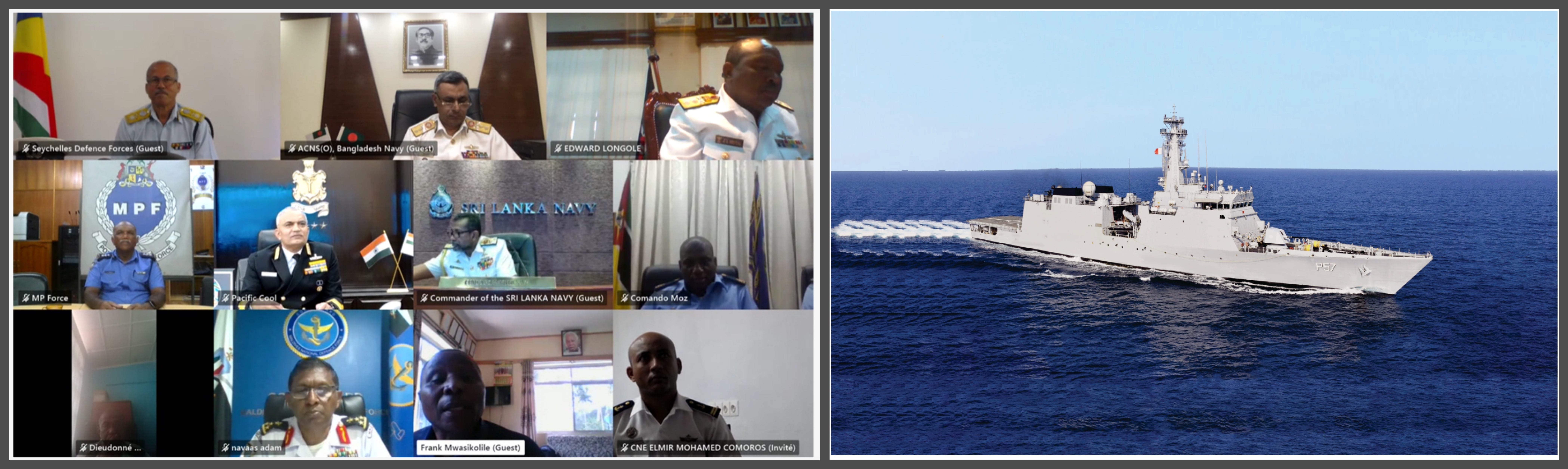
A virtual interaction of Indian Navy officials with navies of the IOR MAHASAGAR initiative (left), and a vessel of the IOR SAGAR initiative (right)
A new grammar of Islamic power
The Abraham Accords had demonstrated how old assumptions about Arab-Israeli politics no longer defined Middle Eastern diplomacy. In 2023, China had managed to broker peace even between Saudi Arabia and Iran while Saudi Arabia’s diplomatic recognition of Israel was under discussion that was derailed by October 7, 2023 had derailed this peace making.
The Mecca Joint Defence Agreement similarly seeks to challenge those long-standing assumptions about Islamic strategic cooperation. It is not built around ideological solidarity. It is not organised under American or Chinese leadership. Nor is it directed by any external great power.
Instead, it reflects something both simpler and potentially more consequential: regional powers assuming greater responsibility for organising their own regional security.
Whether the Mecca Agreement ultimately evolves into a transformative institution or remains a limited framework will depend largely on its implementation. Their collective-defence commitment will acquire credibility only through sustained political will, integrated command structures, regular military exercises, defence-industrial integration and the willingness to incur costs on behalf of partners.
History offers but cautionary examples. Many regional security pacts have generated ambitious declarations but modest operational outcomes. Yet history also teaches that transformative institutions often begin modestly. NATO’s early years were marked by uncertainty before evolving into the world’s most enduring military alliance.
The Mecca Joint Defence Agreement must, therefore, be judged less by today’s ceremonies than by tomorrow’s potential. For now, one conclusion appears difficult to escape. At the least, their agreement signals that the centre of gravity in regional security thinking is shifting.
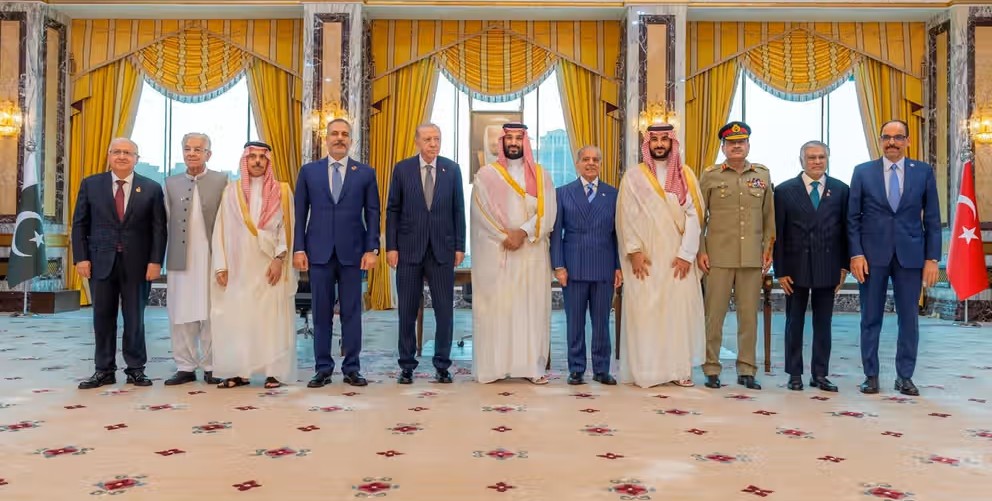
The delegations with the three leaders of the Mecca accord
The question is no longer whether Washington, Moscow or Beijing will allow them to reorganise the Middle East region. Increasingly, regional powers are no longer asking whether they can organise it themselves; they are just initiating that exercise.
If that ambition succeeds, historians may remember the evening of August 7, 2026 not simply as the signing of another defence pact, but as the moment when the wider Middle East entered its post-American — though not anti-American — strategic age, and when a new grammar of Islamic power began to institutionalise.
Follow us on WhatsApp
Follow us on Facebook
Follow us on X @vudmedia
Follow us on Substack
