
The 7th edition of Asia Watch, covering the Tianjin Summit of the Shanghai Cooperation Organisation (SCO), explained the grouping’s potential to be an alternate pole in global affairs and emerge as a credible voice of the Global South and pillar of Eurasian integration. As the SCO marks its 25th year, such potential seems to be eroded as its political weight, gained through consistent enlargement, is not being complemented by corresponding institutional heft. The SCO continues to rely more on consensus and repetitive communiques than actual accomplishments, including conflict resolution or reshaping the political behaviour of its members for common goals. With slow institutionalisation running the risk of stagnation, there is now a widening gap between SCO’s spirited rhetoric and geopolitical limitations. India, meanwhile, continues its strategic engagement, seeking to broaden the SCO’s agenda and injecting pluralism, points out Professor Swaran Singh in this 28th edition of Asia Watch.
Home page image: The official flag of the SCO - a rectangular white banner with the SCO Emblem depicted at its centre
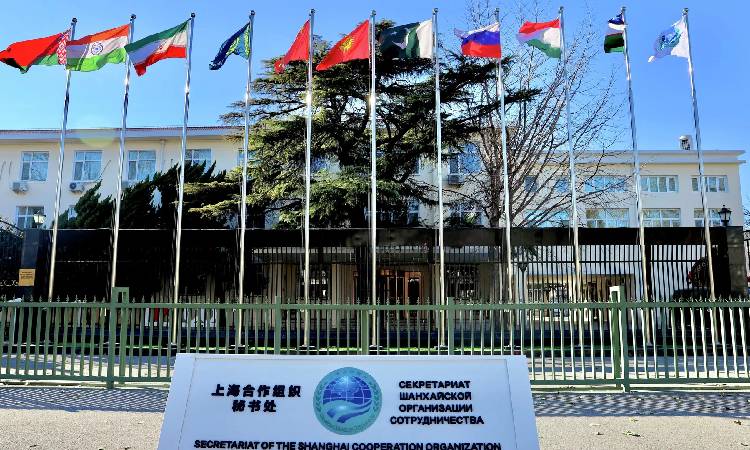
Text page image: Flags of the member states at the Secretariat of the Shanghai Cooperation Organisation in Beijing
Banner image: Heads of states and governments at the 2025 SCO Summit in Tianjin
Twenty-five years ago, on June 17, 2001, Russia and China, having resolved their border disputes with the newly formed Central Asian Republics, formalised their ‘Shanghai Five’ grouping into a formal Shanghai Cooperation Organisation (SCO).
The Organisation was built around the axis of the “Shanghai Spirit’ – implying mutual trust and benefit, equality, consultation, respect for cultural diversity and pursuit of common development.
Few could have imagined that this fledgling arrangement of the newly formed Russian Federation and newly independent Central Asian Republics would one day expand to ten members, fourteen dialogue partners, two observers plus special invitees, encompassing almost half of the world population, a quarter of the world’s landmass and roughly a quarter of global GDP.
By any measure of geography, demography or strategic reach, the SCO is today one of the world’s largest regional organisations. Yet scale alone does not define its strategic significance.
The pertinent question as leaders arrive in Bishkek on the last day of August 2026 for the 25th summit of the SCO is whether it has matured into a consequential institution or merely expanded into one more talking shop for photo ops.
Prime facie, the SCO has been remarkably successful at enlarging its list of interlocutors, but remains strikingly slow at enlarging its institutional bandwidth. At 25, this distinction matters!
International institutions earn credibility not because they are large or old, but because they consistently convert political aspirations into collective action. The SCO has undeniably become bigger and older. Yet, whether this has lent it much-needed credibility and efficacy has become increasingly uncertain.
Numbers are real, institutions aren’t
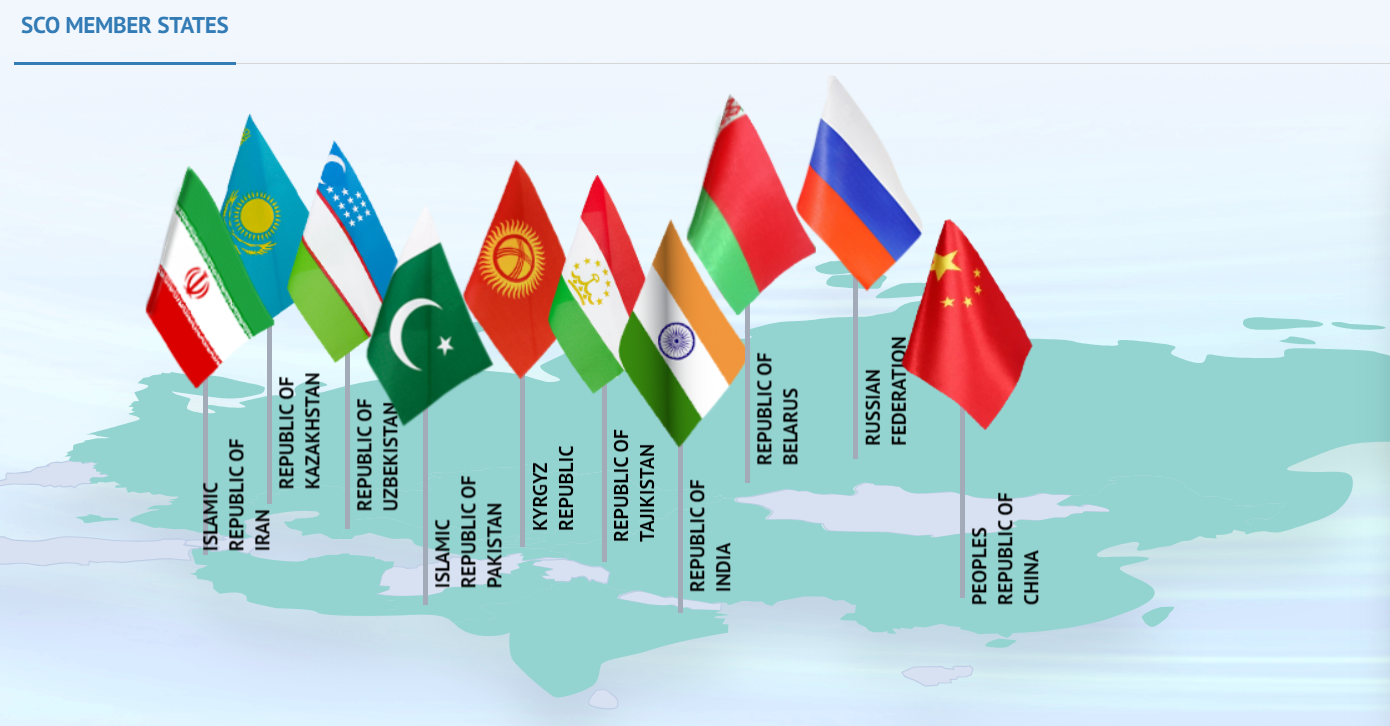
The SCO’s achievements cannot be dismissed lightly either. China, Russia, India, Pakistan, Iran, Kazakhstan, Kyrgyzstan, Tajikistan, Uzbekistan and Belarus together represent an extraordinary concentration of geopolitical weight.
The [1] [2] five Central Asian Republics have become increasingly interconnected with China and Russia and across the Eurasian continent through transport corridors, energy pipelines and digital infrastructure.
The SCO has provided a critical diplomatic platform for engaging Afghanistan, building energy security, anti-terror exercises and a minimal institutional network. But many of these tangible accomplishments owe far more to the bilateral and mini-lateral initiatives of member states than to the SCO as an institution.
For instance, China’s trade with fellow SCO members has expanded faster than its overall external trade, reinforcing China’s growing centrality in the SCO, and resulting in greater caution amongst other members.
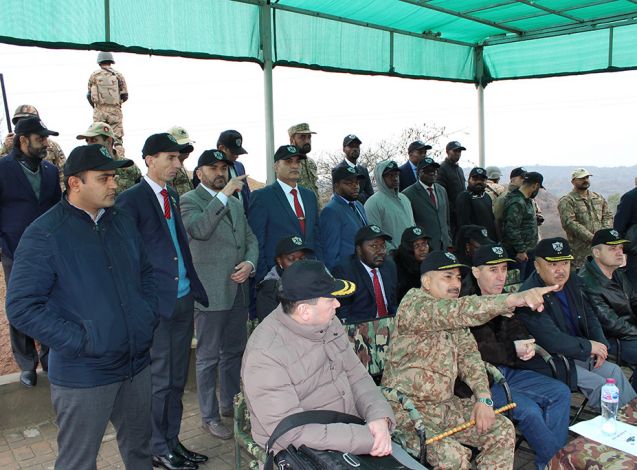
Members of the Executive Committee of SCO's Regional Anti-Terrorist Structure with Pakistani military officials
The SCO’s geopolitical footprint has expanded dramatically, but its institutional architecture has lagged. Beyond its Secretariat in Beijing and the Regional Anti-Terrorist Structure (RATS) in Tashkent — both set up in 2004 — the SCO has not evolved any further mechanisms capable of implementing its collective decisions.
The Organisation remains inordinately dependent on annual summits, ministerial meetings and carefully negotiated declarations. This contrast becomes clearer when compared with other contemporary multilateral forums operating on consensus rather than supranational authority.
The BRICS (Brazil, Russia, India, China and South Africa) grouping, despite its own political diversity, established the New Development Bank within a decade of its creation and has financed infrastructure projects across several continents.
The G20, although lacking a permanent treaty structure, has repeatedly demonstrated its capacity to coordinate macroeconomic responses during moments of global financial crisis and to shape international agendas on debt, taxation, health and climate finance.
The SCO has produced no comparable institutional innovation or effect. The most telling illustration is the SCO’s stillborn Development Fund and Development Bank.
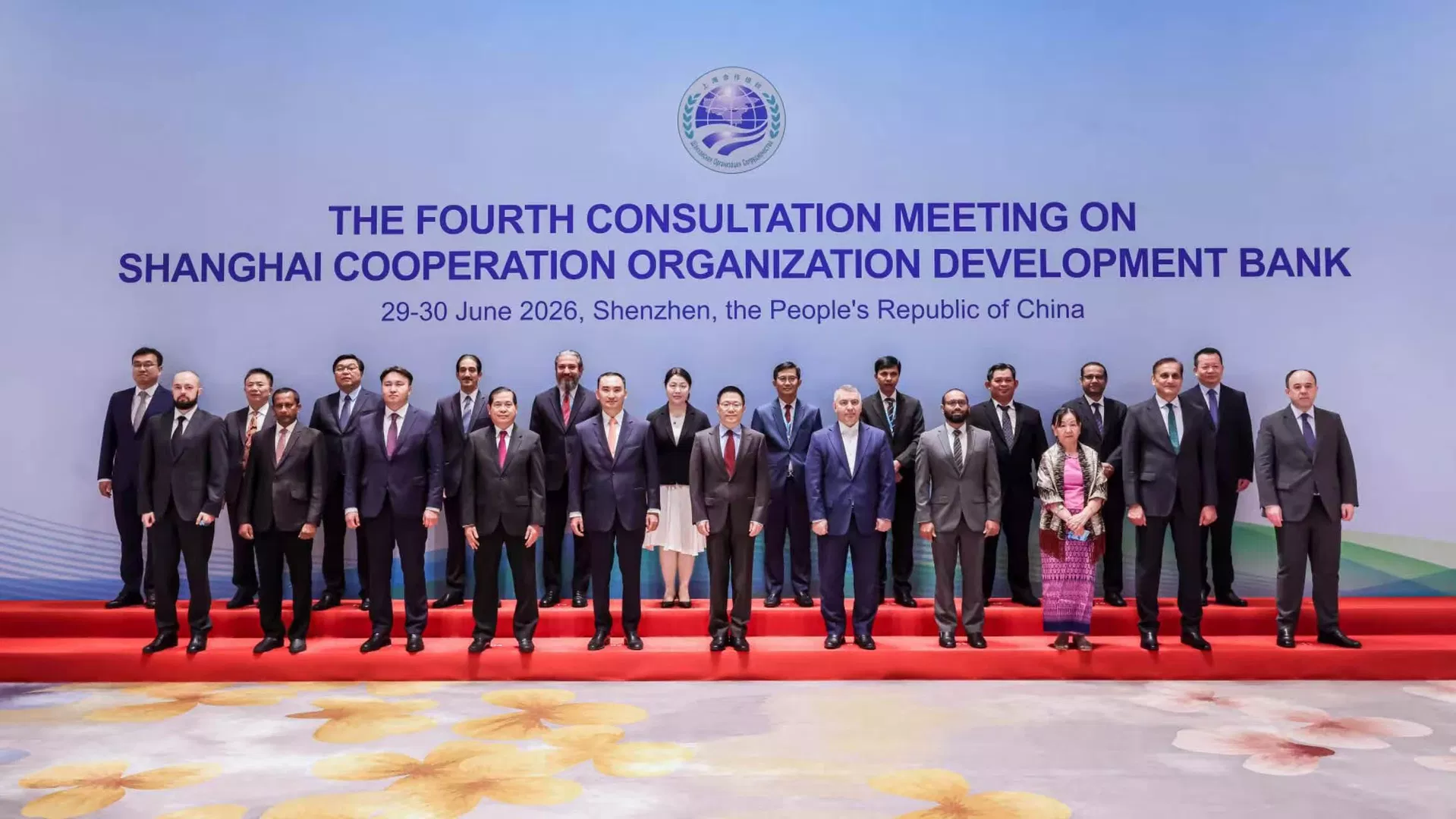
The July 2015 Ufa Summit of the SCO, which had formally endorsed their creation in its Development Strategy, envisioned these as the financial engines to transform their political declarations into concrete regional projects. Nearly a decade later, neither the bank nor its accompanying development fund exists in operational form.
This delay reflects unresolved disagreements over financing, governance, voting rights and strategic influence. Put differently, the organisation has never settled the fundamental political question of who should pay, who should lead and who should benefit. Without agreement on these basics, institutional consolidation inevitably stalls.
The result is an organisation that has expanded horizontally through membership while remaining vertically underdeveloped in its institutional infrastructure. Growth has become its principal achievement; governance is increasingly becoming its weakness.
Declarations that bind no one
This institutional deficit reveals another enduring salience of the SCO: its remarkable faith in detailed declarations. Every summit concludes with an expansive joint statement reaffirming shared commitments to security, development, sovereignty, multilateralism and regional cooperation.
These declarations are often ambitious in language and comprehensive in scope. They also share one defining characteristic — they are non-binding. This is not an accident. It is the logical consequence of consensus-based decision-making among governments whose strategically divergent priorities keep them far apart.
The price of consensus is never uniformity as long as dissenting members are willing to acquiesce and not obstruct or pull apart. But as membership expands and political diversity widens, their common denominator inevitably becomes smaller.
The Tianjin Declaration of September 2025 exemplified this pattern. It had announced expanding the RATS into the Universal Centre for Countering Challenges and Threats to Security and setting up the Anti-Drug Centre in Tajikistan. However, both remain in limbo due to drafting and staffing agreements.
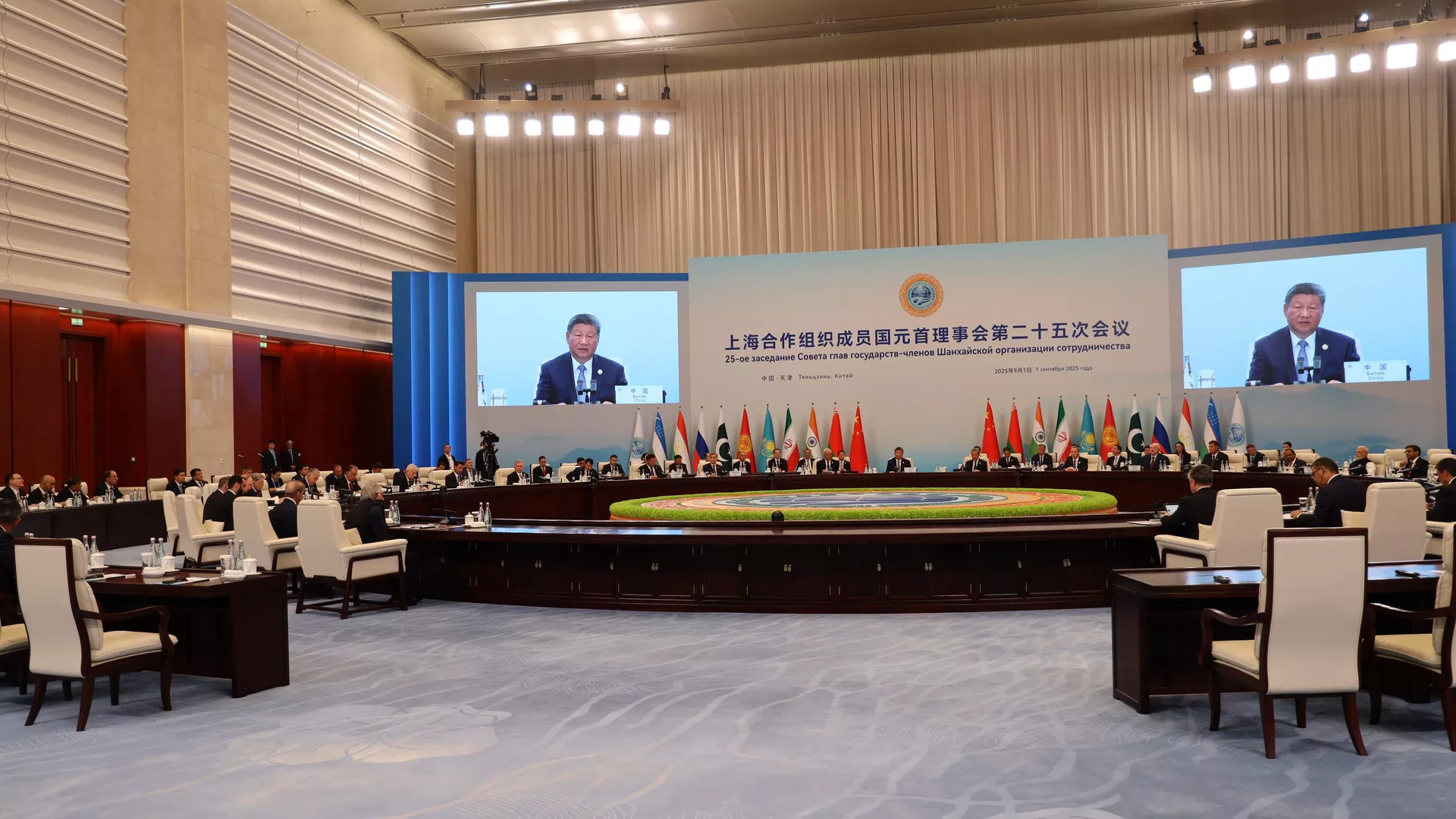
Chinese President Xi Jinping addressing the heads of state and government at the 2025 SCO Summit in Tianjin
This is so because, like most of its predecessors, the declaration created no enforcement mechanism, created no compliance obligations and established no institutional consequences for inaction. Ambitions were plentiful; accountability remains absent.
Supporters of the SCO often argue that consensus itself is the organisation’s greatest strength. There is merit in that claim. Consensus prevents domination by any single member and accommodates the political sensitivities of vastly different regimes.
But consensus alone cannot substitute for institutional effectiveness. Eventually, every successful organisation must move beyond consultation to implementation.
Here again, comparison with BRICS and the G20 is instructive. Both these groupings also operate through political consensus. Yet both have repeatedly demonstrated an ability to convert broad political agreement into enduring institutional outcomes.
The SCO, by contrast, seems to equate consensus with accomplishment. Its declarations, therefore, perform an increasingly symbolic rather than operational function. They reaffirm unity without necessarily producing it. They proclaim cooperation without creating mechanisms to sustain it.
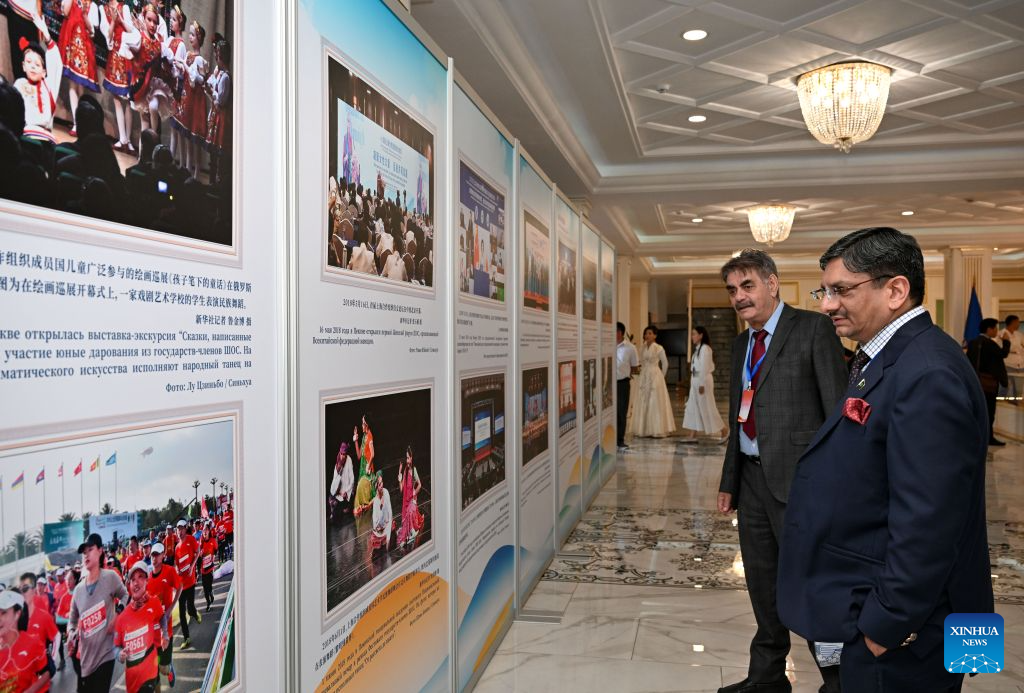
Visitors look at the displays at the photo exhibition in Bishkek marking 25 years of the Shanghai Cooperation Organisation
Perhaps this explains why the language of the “Shanghai Spirit” has remained virtually unchanged over the twenty-five years of SCO’s existence. Mature institutions usually measure their evolution through agreements implemented, institutions created, resources mobilised or disputes resolved.
The SCO continues instead to define itself primarily through the repetition of its six founding principles. There is nothing inherently wrong with principles. But when the institutional vocabulary of those principles remains static even as geopolitical realities become increasingly complex, repetition risks becoming a substitute for progress.
Therefore, the real test of any international organisation cannot be the elegance of its communiqués. It is whether those communiqués gradually reshape political behaviour among their members. On that measure, the SCO’s record remains decidedly mixed.
When ‘free spirit’ meets ‘fault-lines’
If declarations reveal the SCO’s ambitions, its internal fault lines expose its limitations. Perhaps the organisation’s greatest paradox is that it was founded to promote regional stability among neighbours while many of its own members remain embroiled in unresolved bilateral disputes.
The gap between the SCO’s spirited rhetoric and geopolitical reality has therefore widened with every successive enlargement. This contradiction became painfully evident during the 2022 Samarkand Summit.
As heads of state reaffirmed the principles of “mutual trust” and “good-neighbourliness,” armed clashes erupted between Kyrgyzstan and Tajikistan, leaving hundreds dead and thousands displaced. The irony was striking that two founding members of an organisation created partly to prevent border conflicts were exchanging artillery fire while their leaders sat together under the SCO banner.
Nor was this an isolated anomaly. Pakistan continues to use the SCO as one of the few multilateral forums to raise issues against its two neighbours — India and Afghanistan. SCO had likewise had a very limited role in India-China skirmishes of June 2020.
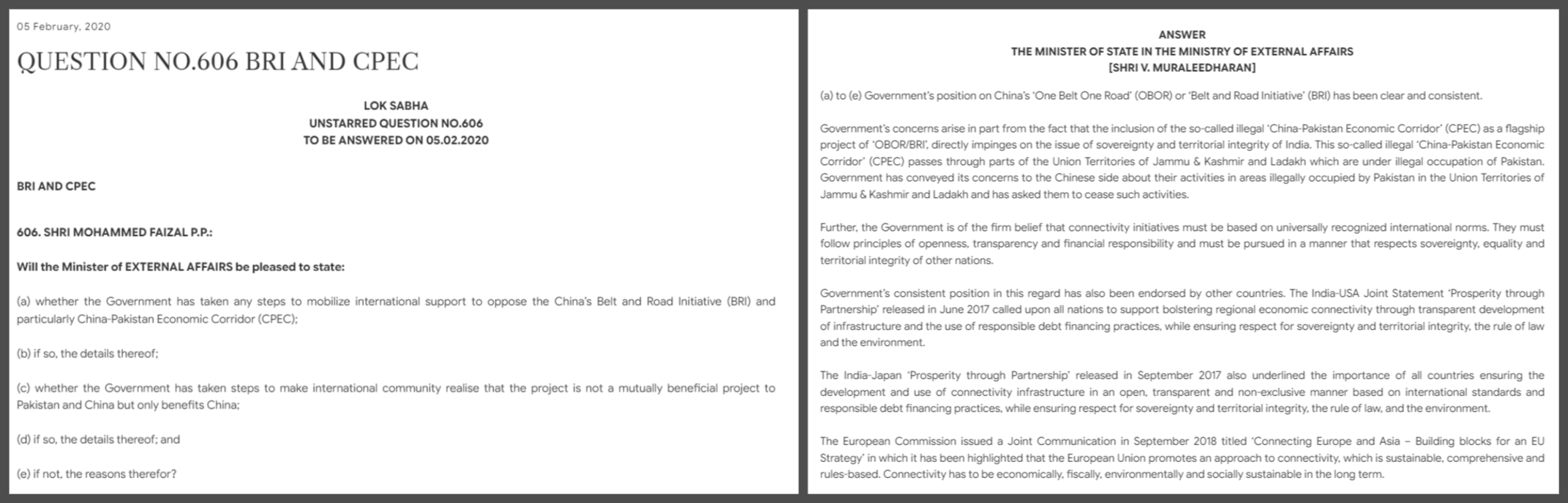
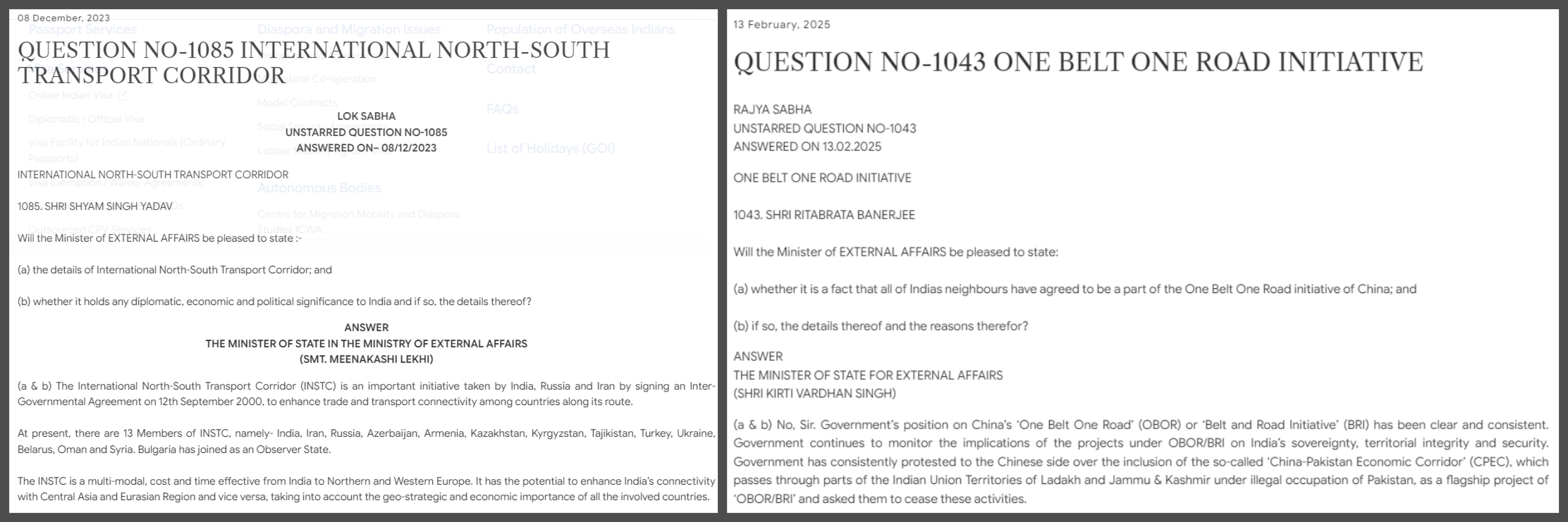
Though the situation has substantially stabilised after the India-China understanding of October 2024 on disengagement, the boundary dispute itself remains unresolved. India’s reservations on China’s Belt and Road Initiative (BRI) — because of the China-Pakistan Economic Corridor traversing Pakistan-administered Kashmir — continue to prevent consensus on one of Beijing’s flagship regional initiatives.
Elsewhere, Central Asia presents its own web of competing interests. Only last year, Kyrgyzstan and Uzbekistan finally consolidated the settlement of their decades-old boundary disagreements. Tajikistan and Uzbekistan have carried on with their legacy of disputed borders, transport corridors and water management.
Iran’s war with the United States, on the other hand, has introduced another layer of regional complexity, further complicating persistent tensions with Afghanistan over the Helmand River and, more recently, with all its Gulf neighbours, especially with the Houthi attacks on Saudi Arabia.
Russia’s growing preoccupation with the war in Ukraine has simultaneously altered its relations with several Central Asian republics, which increasingly seek strategic diversification while balancing ties with Moscow, Beijing, Türkiye, the European Union and the Gulf states.
These are not peripheral distractions. They go into the very heart of sovereignty, territory, connectivity, water security and regional influence — the very issues any serious regional organisation must eventually confront. But the SCO has largely avoided confronting them.
Its preferred method has been diplomatic coexistence rather than conflict resolution. That approach has undeniable value. Simply keeping adversaries around the same table reduces diplomatic isolation and preserves channels of communication during periods of crisis.
But maintaining dialogue should not be confused with resolving disputes.
Meanwhile, the SCO’s expansion has intensified these dilemmas. Every new member has increased the SCO’s geopolitical importance while simultaneously introducing additional national priorities, strategic anxieties and bilateral rivalries.
The result? SCO’s enlargement has multiplied its political weight without enhancing corresponding institutional heft. This is where comparisons with BRICS and the G20 become instructive. Those forums also encompass countries with profound political differences. Yet both have managed to establish identifiable institutional achievements.
Why India still show up?
This raises an obvious question. If the SCO’s institutional record remains so modest, why does India continue to invest political capital in it? There have indeed been suggestions for India to withdraw from the SCO “where China’s writ runs large, Pakistan’s terror networks are never condemned, and Delhi’s interests are ignored.”
But a more balanced view – to use that half-glass-full analogy – should also look for answers in what the organisation has achieved rather than focus on what it lacks.
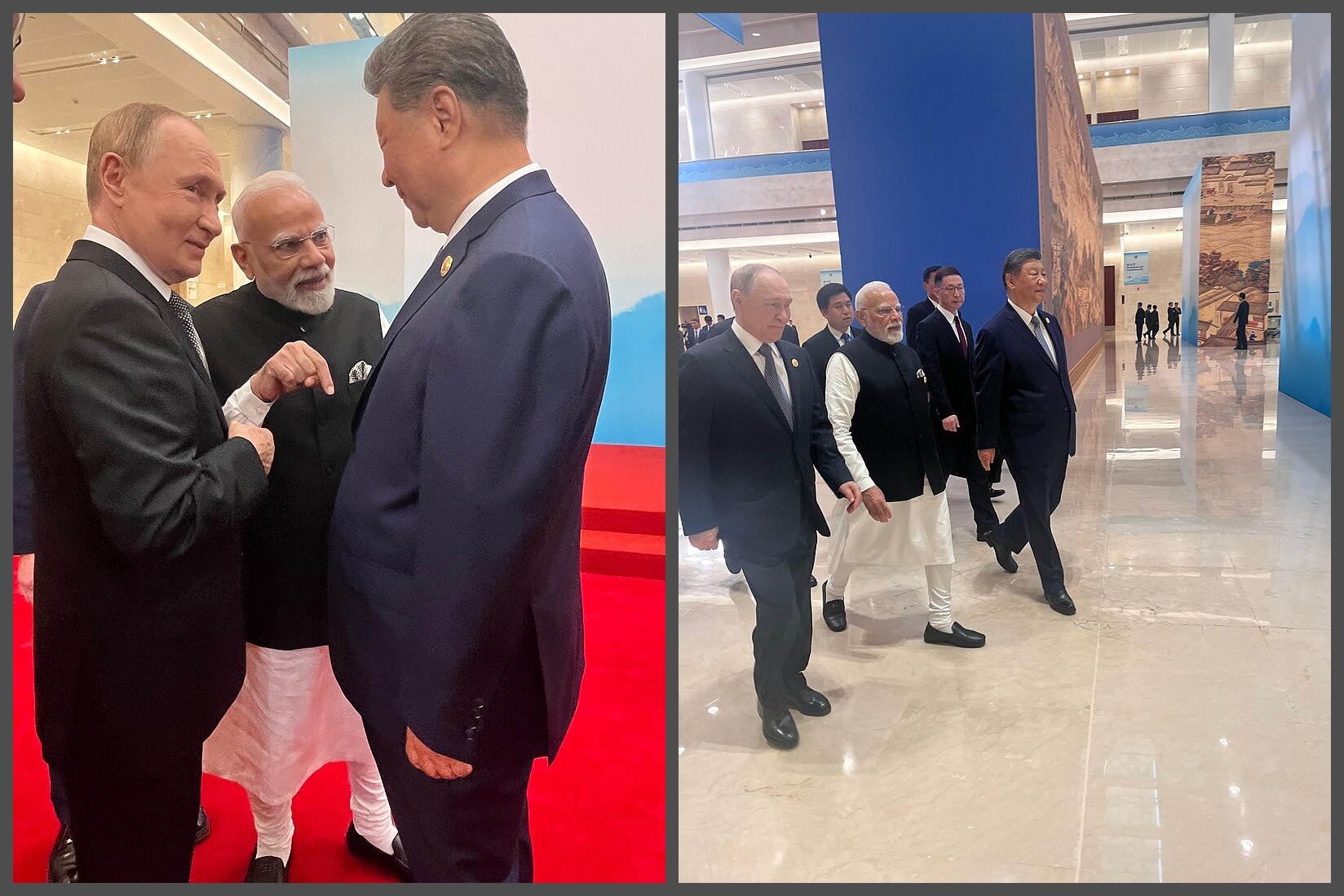
The images that made global headlines: Prime Minister Narendra Modi's close interactions with President Xi Jinping and President Vladimir Putin at the 2025 Tianjin Summit had triggered speculation about the Russia-India-China axis being revived
For New Delhi specifically, the SCO is not an alliance but a diplomatic platform that helps it to “amplify its interest” by regularly engaging China, Russia and the Central Asian republics simultaneously while maintaining structured interaction with Iran and Pakistan.
At a time when geopolitical alignments are becoming increasingly fluid, abandoning such a forum would diminish India’s strategic options.
The SCO also complements India’s long-standing objective of deepening engagement with Central Asia and Eurasia. Whether it is counter-terrorism cooperation or regional stability in Afghanistan, energy security, or connectivity initiatives such as the International North-South Transport Corridor, as also emerging discussions on digital and economic cooperation, all of these intersect with India’s wider Eurasian strategy.
Equally important is the geopolitical equilibrium that the SCO provides. India’s continued participation prevents the organisation from evolving into an exclusively Sino-Russian axis-driven enterprise.
New Delhi’s presence broadens SCO’s agenda and injects pluralism while reinforcing the principle that Eurasian regionalism cannot be defined solely by the interests of Moscow and Beijing alone. This explains why India has consistently separated its bilateral disputes from its multilateral engagements.
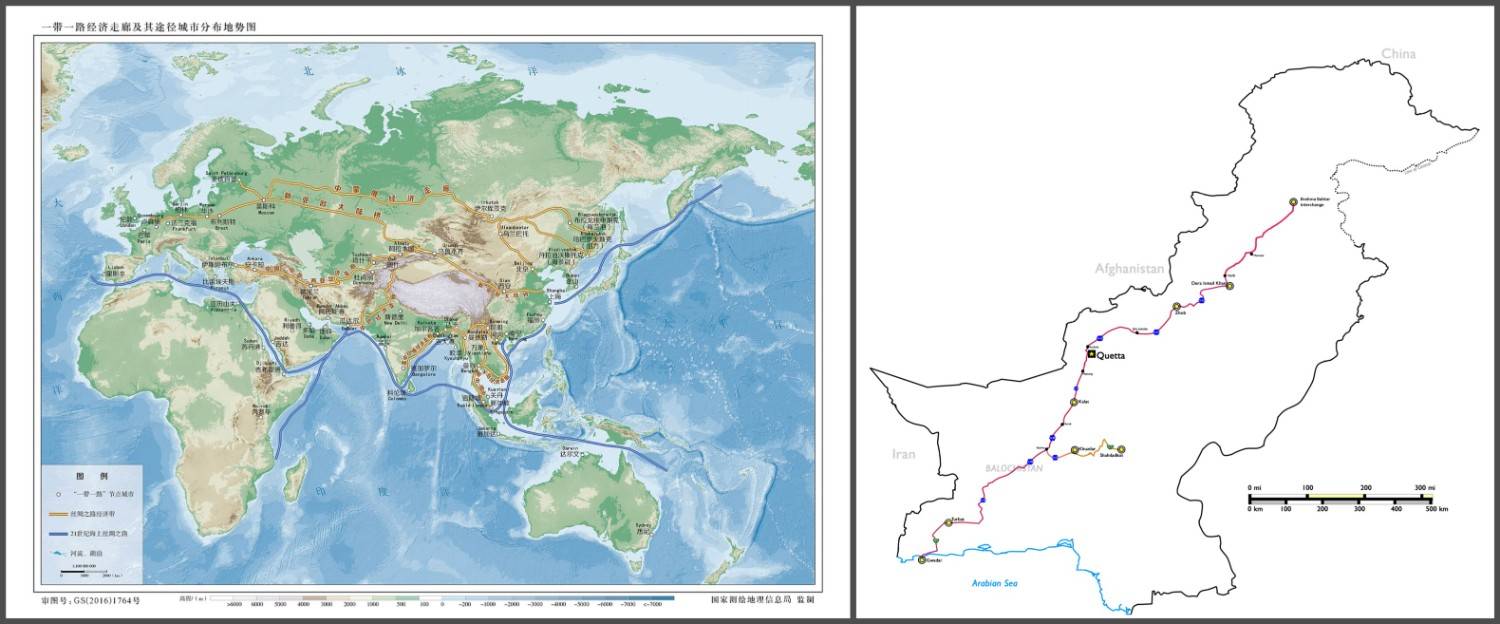
Map showing the Belt and Road Initiative imprint (left), and the western alignment of the CPEC in Pakistan
New Delhi remains sceptical of CPEC-like initiatives that undermine its sovereignty, yet continues to participate actively in SCO discussions on counter-terrorism, connectivity, public health, disaster management and economic cooperation.
For India, the SCO is best understood not as a vehicle for strategic transformation but as an instrument of strategic engagement. That distinction is often overlooked but remains central to understanding India’s enduring commitment to the SCO.
What Bishkek must prove
Twenty-five years after its establishment, and with ten full members representing one of the world’s largest geopolitical constituencies, expectations from the SCO have inevitably risen. The question is no longer whether the SCO should remain a forum for consultation. It is whether it can finally evolve into an institution capable of implementation.
That is why Bishkek, hosting its 25th SCO summit, represents more than another opportunity to revisit its mandate and mission; it is an institutional stress test that it must qualify.
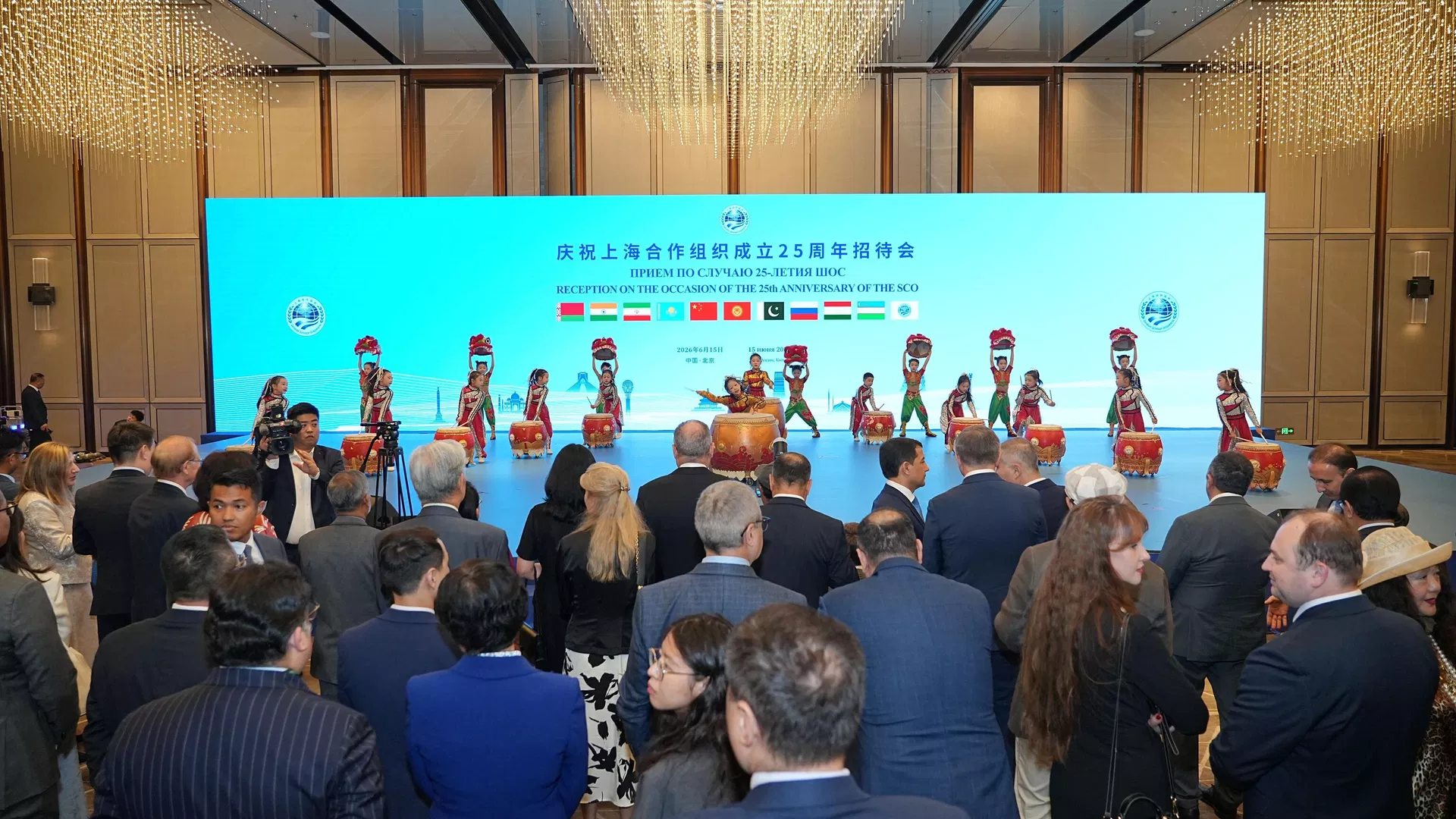
Cultural programme in Beijing to mark the 25th anniversary of the Shanghai Cooperation Organisation
This begs the question if member states, this time around, will finally operationalise some of their ongoing initiatives like the long-promised SCO Development Bank, Anti-Drug Centre or Universal Centre for Countering Challenges and Threats to Security?
Will they set up any credible financing mechanisms for regional infrastructure? Will they adopt some binding protocols in areas such as trade facilitation and connectivity? Will they create monitoring mechanisms that distinguish implementation from aspiration?
Or will Bishkek once again produce another lengthy declaration, another carefully choreographed family photograph and another reaffirmation of their Shanghai Spirit?
Supporters of SCO argue that institution-building among countries as diverse as China, India, Russia, Iran and Pakistan cannot be measured by the standards of treaty-based organisations. They are right. Consensus among strategic competitors is inherently slow, and preserving dialogue itself has strategic value.
Yet one must distinguish between slow institutionalisation and institutional stagnation. The SCO has had sufficient time to demonstrate that expanding membership does not diminish its momentum. So far, the evidence remains inconclusive.
The SCO’s expansive geography guarantees that it will continue to matter. Its future credibility, however, will depend less on how many countries sit around its table than on whether they can collectively build institutions capable of delivering on the ambitions they profess.
If the Bishkek summit also fails to narrow the widening gap between geopolitical weight and institutional efficacy, the central paradox of the SCO will endure: an organisation of immense strategic significance whose greatest strength remains the ‘promise’ of cooperation rather than its consistent practice.
Follow us on WhatsApp
Follow us on Facebook
Follow us on X @vudmedia
Follow us on Substack
