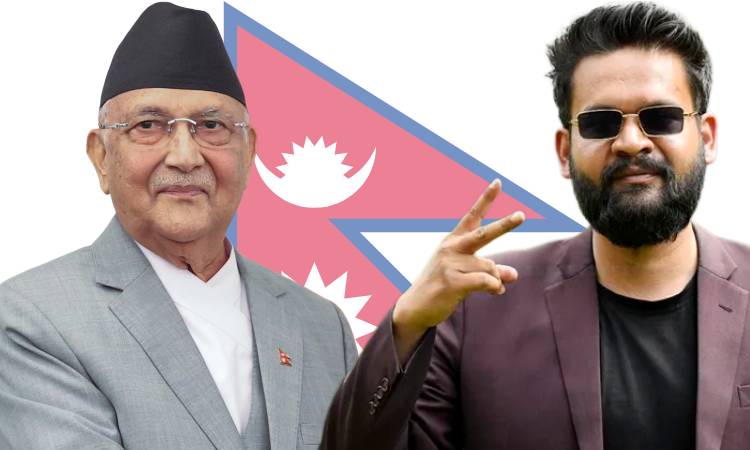
A little over 24 hours from now, Nepal will vote to decide the future of the country, following the momentous pause that followed the GenZ protests of September last year. As described by Dewkala Tamang and Tapas Das in the first part on the Nepal elections, new political forces have since emerged in the Himalayan nation, promising a transformation towards a bright economic future for the country’s aspiring youth, as well as the diaspora gone in search of livelihoods beyond the borders. The interesting turn, however, is how the “Old Guard” has bounced back into the electoral battle, notwithstanding the violence unleashed against the political establishment. As Nepal’s 19 million electorate decides the nation’s future, the most defining aspect will be some of the direct face-offs, most significantly the one between two prime ministerial aspirants – one representing the “Old Guard,” and the other, as the face of the “New Wave.”
Text page image: The faces of the 'Old Guard' and 'New Wave' - K.P. Sharma Oli and Balendra Shah; photo source - Wikipedia Commons, graphics by Vaishnav
Banner image: The Sansad Bhawan (International Convention Centre), partially burned during the 2025 protests; photo source - Wikipedia Commons
Nepal’s political scene has undergone significant changes since the GenZ-led uprising in September 2025, just ahead of the March 2026 House of Representatives elections. The country’s Election Commission reports 18,903,689 registered voters, a 5.09 per cent rise since 2022, mostly due to about 1.1 million new young voters inspired by recent civil movements.
There are also 186,000 temporary voters registered for proportional representation. To ensure the process runs smoothly, 320,000 security personnel from various agencies are stationed across the country. In border areas like Sunsari, tourists now need to obtain permission two days in advance of crossing, a step taken to protect the integrity of the elections.
The 2026 election is shaping up as a major contest between established parties and a new wave of political movements. The Nepali Communist Party (NCP), led by Pushpa Kamal Dahal (Prachanda), after merging with other leftist groups, is trying to bring together left-leaning voters.
Meanwhile, the Nepali Congress (NC) has seen big changes, with Gagan Thapa becoming party president after a special convention, ending Sher Bahadur Deuba’s leadership and making Thapa a reformist candidate for prime minister.
KP Sharma Oli is working to revive the CPN-UML, though the party faces criticism for its handling of the 2025 protests. Across the country, the competition is now about different styles of governance, not just party rivalries.
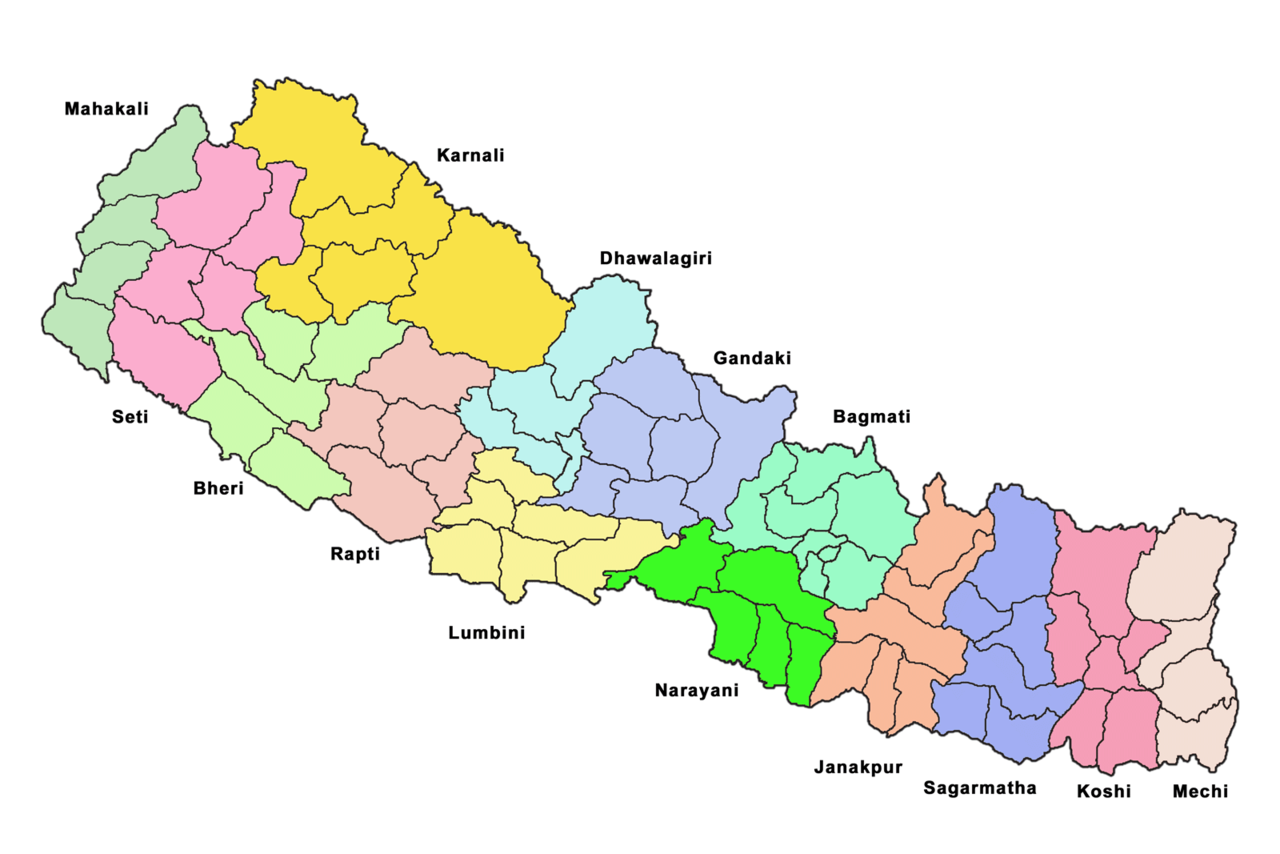
This analysis focuses on the most important constituencies across Nepal’s seven provinces that could determine the future balance of power in the Himalayan nation’s politics.
Lumbini: Testing the Maoist heartland
In Lumbini province, the contest in Gulmi-1 has become a four-way race, disrupting the traditional dominance of the NC and CPN-UML. Incumbent Dr Chandra Bhandari (NC) faces a strong challenge from the central committee member of CPN-UML, Pradeep Gyawali, who had earlier served as foreign minister. The entry of Sagar Dhakal (RSP) and Sudarshan Baral (NCP) has further altered the electoral dynamics.
Among the 122,186 registered voters, choices now include Gyawali’s diplomatic experience, Bhandari’s local reputation, Dhakal’s youth-focused “Mission 82” platform, and Baral’s grassroots support. Voters are increasingly sceptical of unfulfilled promises and seeking candidates who can connect national policy to the immediate needs of rural communities.
Meanwhile, Rukum East has become a symbolic battleground as Prachanda tries to return to the Maoist heartland. Despite the area’s revolutionary past, Dahal now faces strong competition from Sandeep Pun (PLP), whose parents were Maoist martyrs. Pun speaks for a group of former supporters who feel Dahal’s recent alliances stray from the original cause.
With 34,772 voters, the district is seeing a generational divide. Dahal promises “overall development” and relies on his national reputation, while Pun, backed by local leaders like Janardan Sharma, appeals to the district’s sense of history and emotion. The result will show if Rukum East sticks with its old leaders or supports a new, youth-focused leftist movement.
The changes in Lumbini also show that traditional parties are losing steam. Many voters in the province’s southern areas, especially young people involved in the 2025 uprising, are openly calling for a “third way.” The Rastriya Swatantra Party (RSP) has capitalised on this mood, focusing on anti-corruption and efficient governance.
The old “vote bank” system, where whole villages followed the headman’s advice, is fading as young people use digital tools to question tradition. This has created new tensions within families, making it harder for candidates to win support as they campaign door-to-door.
Bagmati: The urban reformist surge
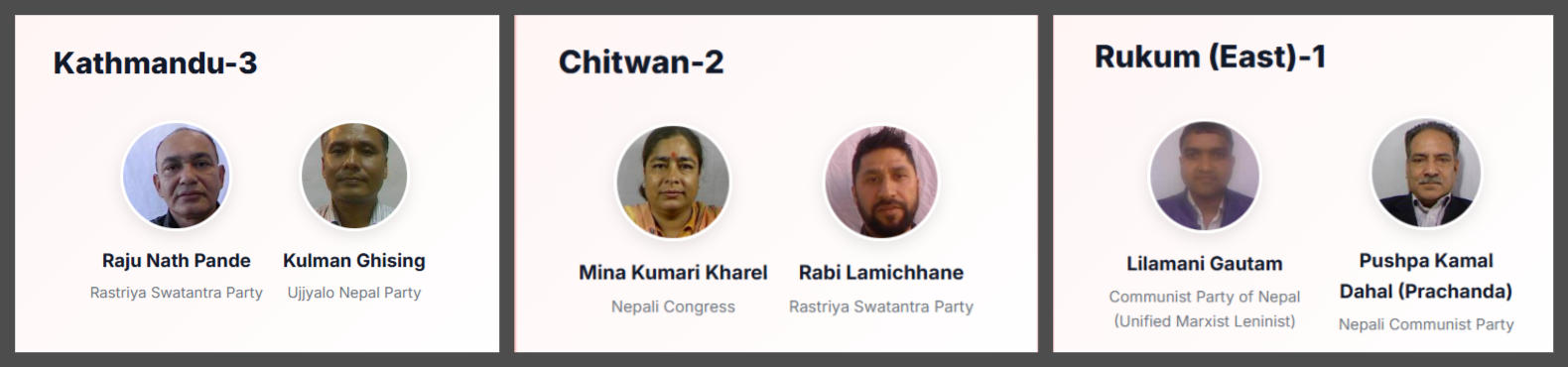
In Bagmati, the nomination process has set the stage for a high-stakes contest between established political organisations and a rising reformist movement. In Chitwan, the district's 442,082 voters are witnessing a critical test of the “new wave.” Rabi Lamichhane (RSP) seeks a third consecutive victory in Chitwan-2 while managing ongoing legal challenges, facing competition from Mina Kharel (NC) and Ashwin Ghimire (UML).
In Chitwan-3, Renu Dahal (NCP) resigned as Bharatpur mayor to campaign on her developmental achievements against incumbent Sobita Gautam (RSP). The absence of major pre-election alliances in the district has resulted in confrontations between the organisational strength of the NC and UML and the personal appeal of RSP candidates.
Kathmandu Valley, the country’s political centre, is just as unpredictable. In Kathmandu-3, 24 candidates are competing in what many see as a tough contest. Kulman Ghising (Ujyalo Nepal Party), known for ending load-shedding, is challenging the NC and UML's usual dominance.
Ghising is counting on support from about 13,000 ethnic minority voters in Boudha and Gokarneshwor, presenting himself as someone who gets things done. While he may split the “change” vote with RSP’s Rajunath Pandey, UML’s Rameshwar Phuyal is relying on his long history of local activism. With so many candidates, every undecided vote matters, and the arrival of well-known outsiders has forced parties to rethink their campaign strategies.
In Kathmandu-4, Gagan Thapa’s decision to contest in Sarlahi has created an opening for RSP’s Pukar Bam, as there are an estimated 9,500 “floating” votes in this constituency that Bam is positioned to harness. With these voters having supported Thapa in the past, the outing will be tougher for CPN-UML’s Rajan Bhattarai and NC’s Sachin Timalsina.
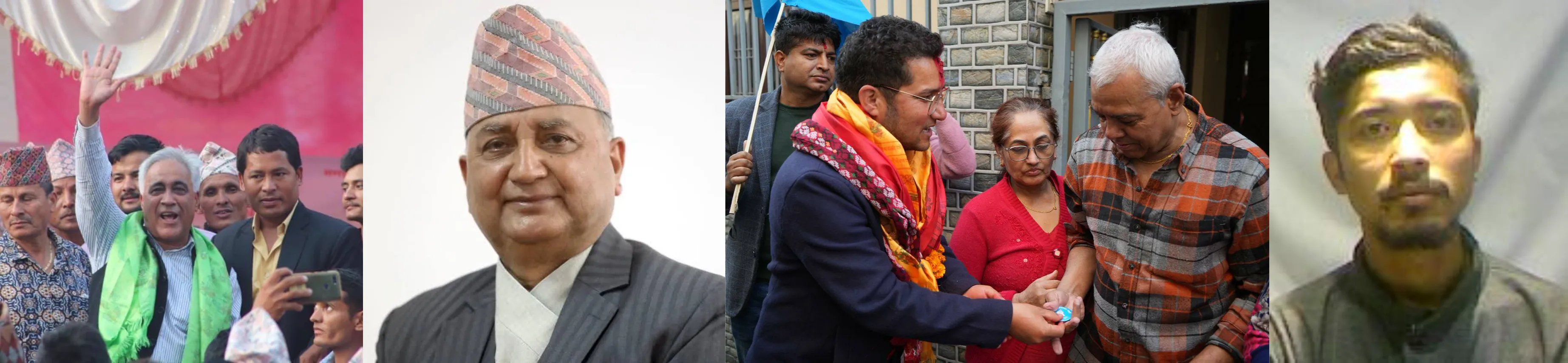 In frame - Chandra Bhandari, Iswar Pokharel, Pukar Bam, and Sandip Pan
Urban Gen-Z voters in this area are known to care about issues like housing, inflation, and digital rights, rather than the old political loyalties.
In Kathmandu-5, UML’s Ishwar Pokharel, the acting Chairman of UML, is trying for the sixth time to win back his seat from Pradip Paudel (NC). The race is even more competitive, with Sasmit Pokharel (RSP) and newcomers like Nisha Adhikari showing that voters across Nepal are looking for new leaders and real reforms instead of sticking with old party loyalties.
The irony is characterised by intense competition between established organisational bases and a rising youth-driven “new wave.”
Gandaki: Youth, geography and marginalisation
The Gandaki province enters the election with 1,870,065 voters, an increase of 200,000 since 2022. In Tanahun-1, a triangular contest has emerged between Dr Swarnim Wagle (RSP), Govinda Bhattarai (NC), and Bhagwati Neupane (UML). Wagle, an economist, relies on his by-election momentum, while 54,395 voters aged 18 to 40 serve as the decisive kingmaking bloc.
In Gorkha-1, Sudan Gurung (Haami Nepal), a central figure in the youth uprising, challenges the establishment, including NC’s Prem Kumar Khatri and NCP’s Hariraj Adhikari.
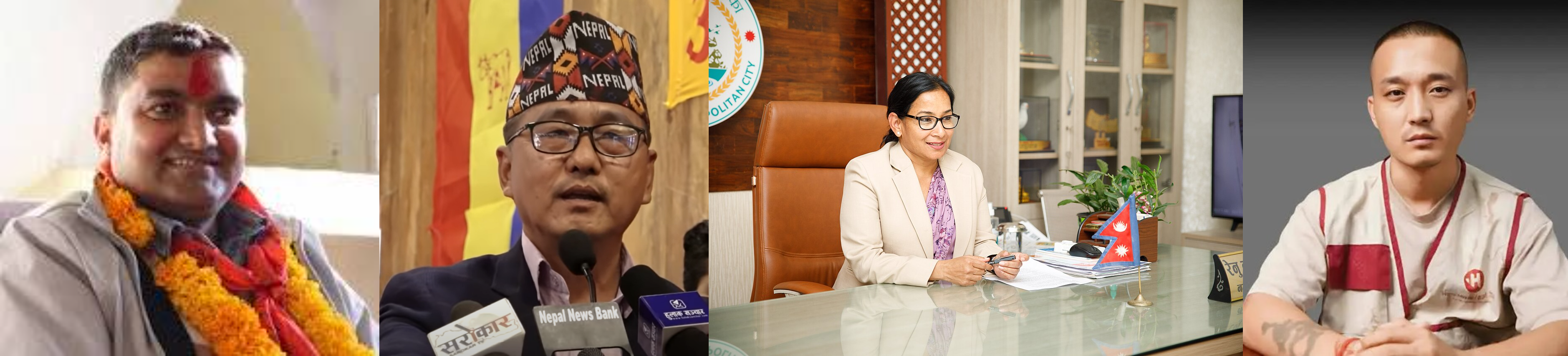 In frame - Lilamani Gautam, Rajendra Prasad Lingden, Renu Dahal and Sudan Gurang
A significant issue in Gandaki is the persistent underrepresentation of women. In both Gorkha constituencies, only 3 women out of 27 candidates have filed nominations. Major parties have largely failed to field women directly, leaving the task to independent candidates like Kabita Bhattarai or smaller parties like the NWPP.
Meanwhile, in the cold of Mustang, the campaign centres on infrastructure, agriculture, and climate-crisis mitigation, with parties promising to complete the Mustang-Dolpa road and to enhance tourism through the Korlanaka border.
Gorkha-2, with its 108,533 voters, remains the “constituency to watch” following the withdrawal of Baburam Bhattarai, leaving the result wide open as voters wait to see which way the PLP support swings.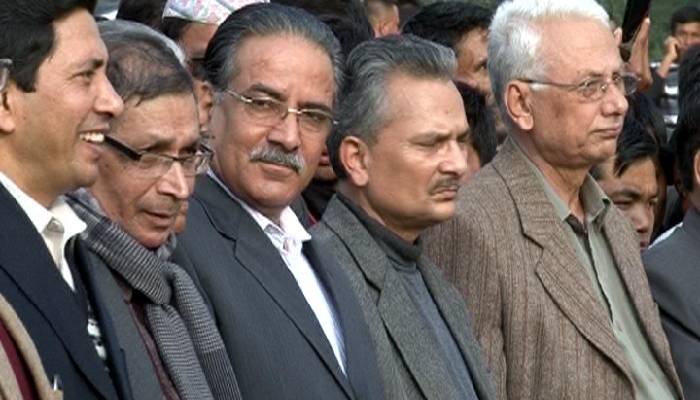 In happier (revolutionary) times - Prachanda and Baburam Bhattarai; photo source - Wikimedia Commons
Karnali: The infrastructure deficit and gender gap
In Karnali province, 131 candidates are running for 12 seats, with a total of 1,037,250 voters. The province stands out because women make up the majority of voters, 593,061 compared to 527,886 men. Yet, women are still underrepresented: only 11 women are running against 127 men. Neither the CPN-UML nor the Nepali Communist Party has nominated any women in Karnali’s 10 districts.
This has led to strong criticism from local leaders such as Padma Khadka (UML) and Bimala KC (NCP), who say the selection process is not transparent and that women are largely limited to proportional representation lists.
In Karnali, most political talk centres on the province’s slow development. Gagan Thapa (NC) has promised a “golden period” of change from 2026 to 2031, focusing on tourism, herbs, and water resources. But the NC faces tough competition from the RSP, whose rally in Birendranagar drew almost 11,000 people, much more than the NC’s event.
With big names like Purna Bahadur Khadka stepping aside for legal reasons, new candidates like Bishnukumar Khadka and Narayan Koirala are stepping up. Voters are especially frustrated about the Karnali Highway, which has been unfinished for 31 years and still leaves travellers facing landslides and rough roads.
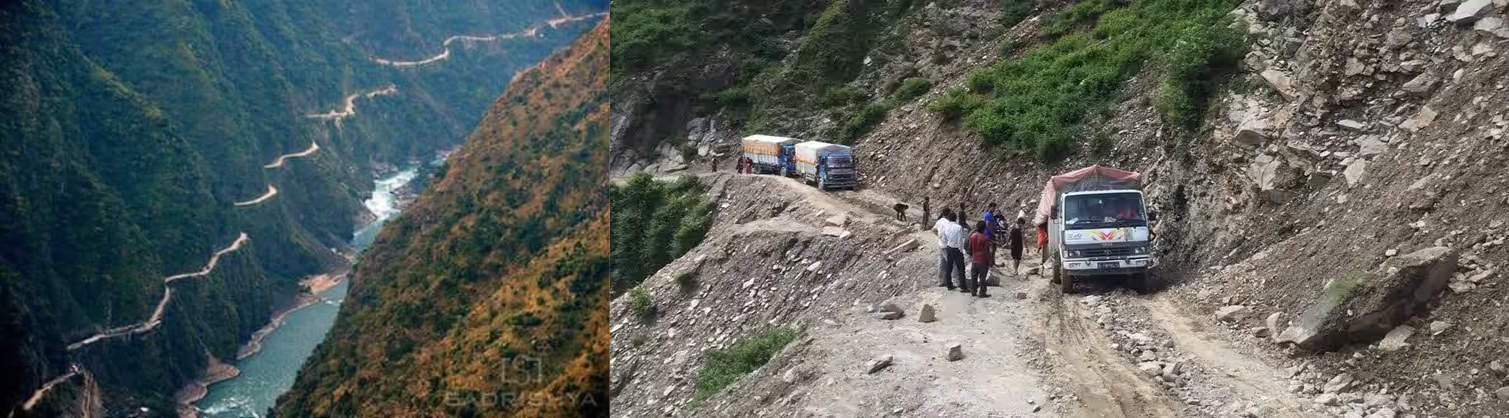 The Karnali Highway; photo source - Wikimedia Commons
As parties compete, their promises have grown more ambitious. The Nepali Congress is focusing on the Jamunaha-Kohalpur-Surkhet-Hilsa expressway, while the UML wants to develop “Corridor Cities” to promote economic growth. The NCP is pushing the "Himalayan Prosperity Program" for livestock and herbs, and the RSP promises to finish the Bheri Babai Diversion in two years and promote Karnali’s heritage.
Still, many marginalised groups, like the nomadic Raute, feel left out; many from these communities are not accustomed to the candidates or the electoral process. This shows a major challenge for 2026: ensuring promised changes reach the province’s most remote and vulnerable people.
Sudurpashchim: Dalits, migration and Leftist icons
The Sudurpashchim province faces a mix of social challenges and bold political moves. Of the 206 candidates for 16 seats, only 18 are women, mostly in the Terai districts of Kailali and Kanchanpur. A notable change this year is that major parties have nominated three Dalit candidates under the First Past The Post (FPTP) system: Chakra Prasad Snehi (UML) in Dadeldhura, Man Bahadur Sunar (NCP) in Kanchanpur-3, and Prakash Rasaili Snehi (NC) in Bajhang.
Dalit intellectual Ganesh BK sees this as a positive step, though winning will be tough because of past voting trends and the growing influence of the RSP, which has not fielded any Dalit candidates in the province.
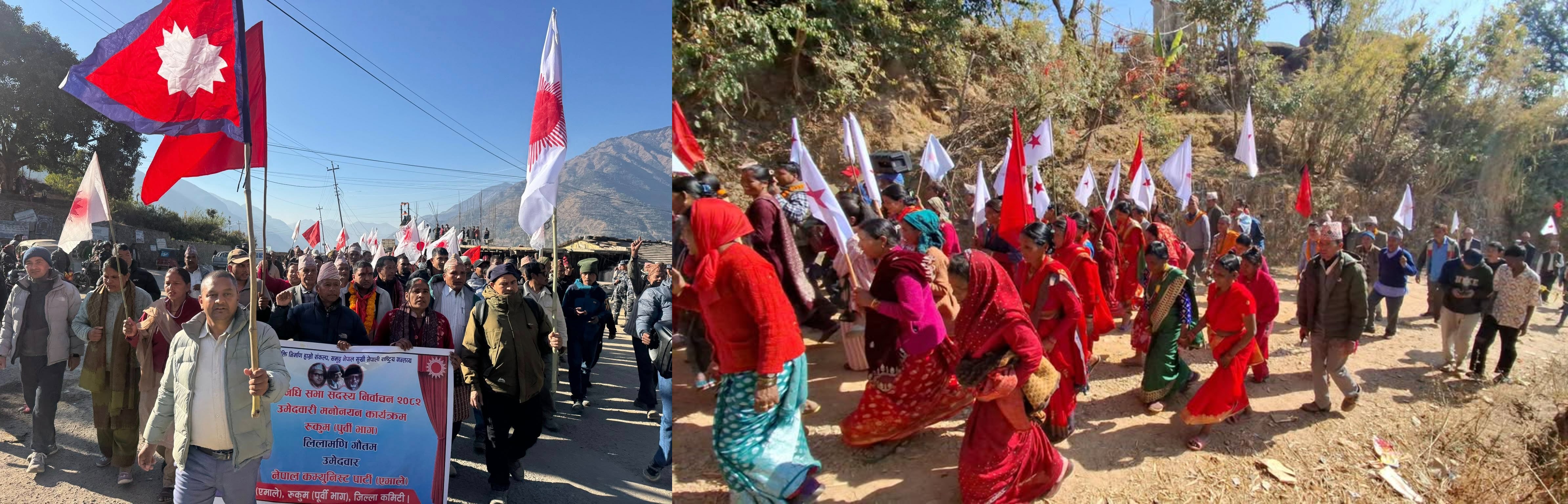
Political rallies and campaign in full swing across Nepal
The province is also a key battleground for Bhim Bahadur Rawal, a major leftist leader who was Deputy Prime Minister and Defence Minister in the Oli government, Home Minister in the Madhav Nepal cabinet, and also the Culture and Tourism Minister in Girija Prasad Koirala's government. Having been expelled from the UML, Rawal is now running in Achham-1 with a new party, with his win or loss having the potential to shape the region’s political future.
However, the biggest issue in Sudurpashchim is the mass migration of young people. Thousands from places like Achham work in India, leaving behind villages filled mostly with the elderly and children. Many migrant workers feel left out, lamenting that they know more about Indian politics than Nepali politics because they have been away for years and cannot vote at home.
A shortage of local jobs and poor infrastructure are major issues in the campaign. The International Organisation for Migration (IOM) says hundreds of thousands of people from Sudurpashchim are in India, which has made local elections less lively. Women, who spoke to the authors, share their frustrations in traditional Deuda songs, singing about the pain of migration and broken promises.
For many, the 2026 election is not about party loyalty; it is about whether the next government can finally give their children a reason to stay in Nepal instead of leaving for work abroad.
Koshi: The clash of prime ministerial aspirants
The Koshi province is entering the March 5, 2026, elections amid a significant demographic and generational rift, characterised by a sharp gender imbalance, with 436 male candidates of the total 495 dwarfing the 58 female contenders in the 28 seats of the province.
This disparity is absolute in nine constituencies, including Dhankuta and Taplejung, where ballots are exclusively male despite high numbers of candidates.
While the province is a stronghold for the “old guard,” featuring 13 candidates over age 70, including 83-year-old Hiranya Prasad Bhattarai, it has also become the primary theatre for the “new wave” movement.
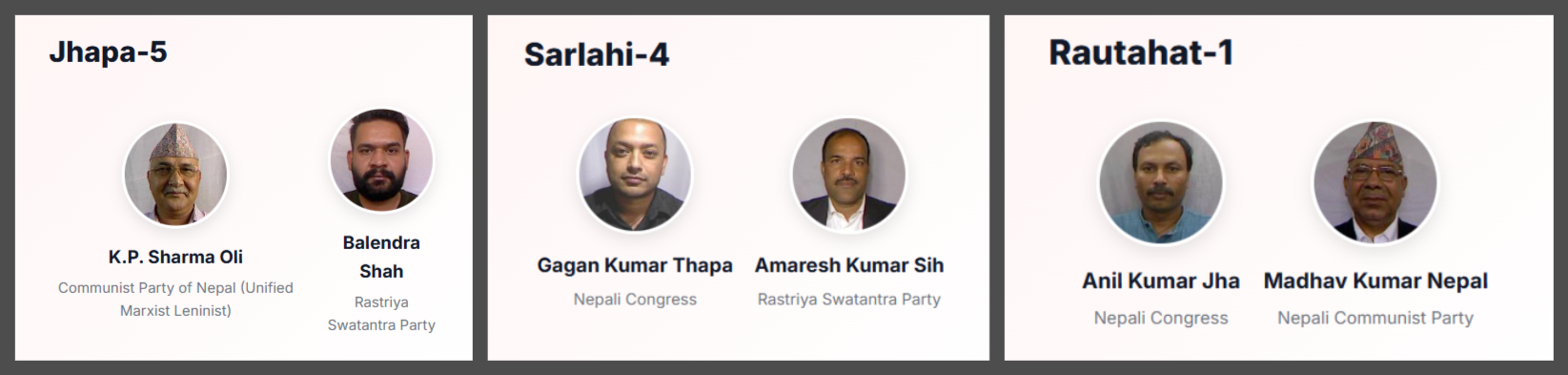
The most anticipated clash is in Jhapa-5, where Balendra Shah (‘Balen’), the prime ministerial face of the Rastriya Swatantra Party (RSP), is challenging the decades-long dominance of K.P. Sharma Oli. This contest is increasingly viewed as a referendum on the traditional identity politics of the “Bhakka” slogans versus the systemic socio-economic reform demanded by the marginalised Rajbanshi and Santhal communities.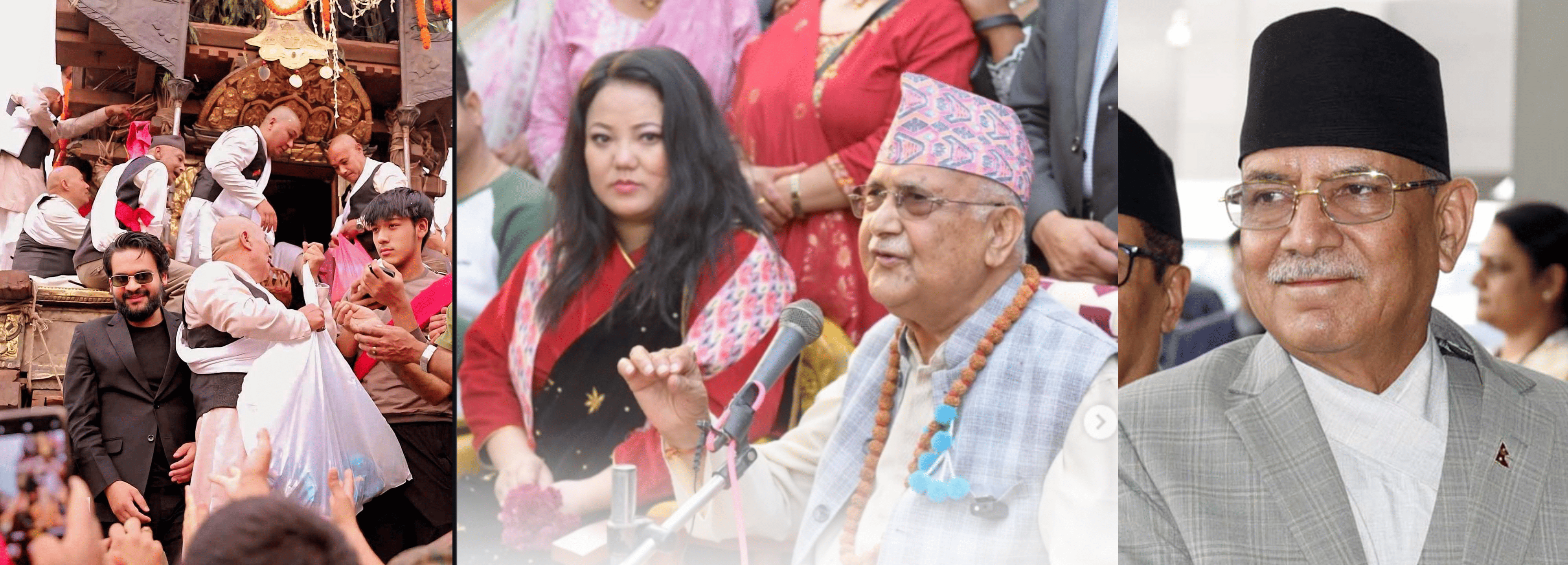
The PM aspirants - Balendra Shah (left), K.P. Sharma Oli (centre) and Prachanda (right)
The generational shift extends beyond Jhapa. In Jhapa-3, the Chairman of the Rashtriya Prajatantra Party (RPP) and former Deputy Prime Minister, Rajendra Lingden, faces a new challenge. Having defeated the veteran Nepali Congress leader Krishna Prasad Sitaula in the last two polls, Lingden now navigates a fractured field, with the UML-RPP alliance having collapsed.
Meanwhile, in Kathmandu-3, the newly formed Ujyalo Nepal Party chairman, Kulman Ghising, is making his electoral debut. Ghising, a technocrat-turned-politician who served in the post-uprising interim cabinet, represents the movement’s hope for infrastructure-led reform.
Deep-seated local issues underscore the stakes in Jhapa-5. The constituency is home to an estimated 12,000 squatter families, primarily from the indigenous Rajbanshi and Santhal communities. These groups, historically marginalised and concentrated in the southern belts of Gauradaha and Gauriganj, remain largely excluded from the country’s development.
As the “old guard” relies on traditional identity politics and the “new generation” promises systemic change, the 7.1 million voters in Koshi and Madhesh will ultimately decide whether these elections can resolve the persistent poverty and landlessness that have defined the region for decades.
The shift toward independent and alternative political forces is further exemplified in Sunsari-1, where Harka Raj Sampang, the former Mayor of Dharan, has resigned to seek a parliamentary seat under his newly formed Shram Sanskriti Party. He faces a fractured field involving the NC, UML, and RSP’s Goma Tamang, who narrowly lost the seat in 2022.
Similarly, in Sunsari-3, veteran leader Bijay Kumar Gachhachhadar is attempting to reclaim his legacy against incumbent UML Bhagwati Chaudhary and RSP’s Ashok Kumar Chaudhary. These races, along with Shekhar Koirala’s battle in the industrial hub of Morang-6 and technocrat Kulman Ghising’s debut in Kathmandu-3, highlight a province caught between the organisational machinery of established giants and an unprecedented surge of reform-oriented candidates.
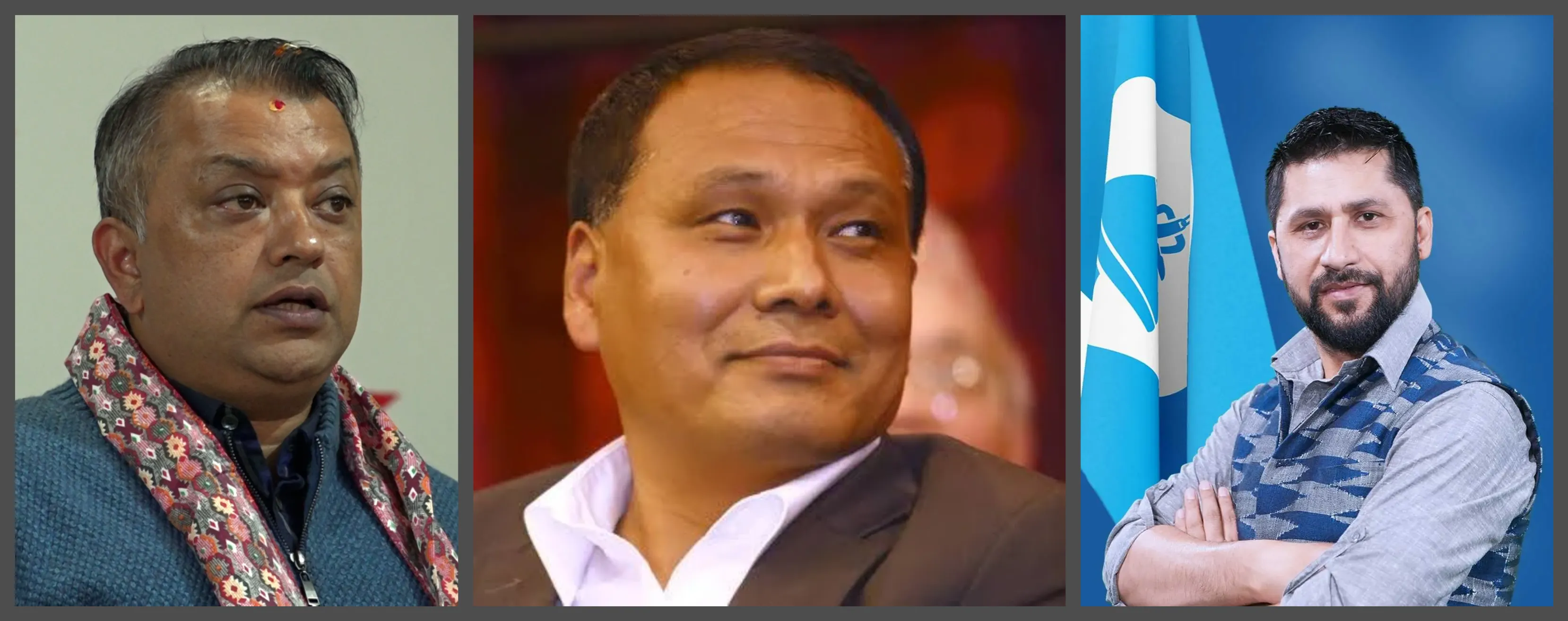 The Kingmakers - Gagan Thapa of the Nepali Congress (left), Khul Man Ghising of Ujyaalo Nepal Party (centre), and Rabi Lamichhane of the Rashtriya Swatantra Party (right)
Madhesh: The "Balen wave" and the ‘Old Guard’
The Madhesh province is at a political crossroads for the March 5, 2026, elections, with 1,027 candidates, over half of whom are independents, vying for 32 seats. Despite the region’s history of social movements, a significant gender gap persists: only 109 female candidates in Rautahat-2, leaving the field all-male.
The election is defined by the “Balen wave,” as the Rashtriya Swatantra Party (RSP) projects Balendra (Balen) Shah as its prime ministerial face. Though fighting from Jhapa, Shah is positioned in Nepal’s national politics as the “son of Madhesh.”
The 35-year-old former Kathmandu mayor has disrupted traditional caste-based arithmetic, challenging the “old guard” of the Nepali Congress (NC), the CPN-UML, and regional forces such as the Janamat Party and JSP-N.
The province features several high-stakes “clashes of titans” that will decide the future of Madheshi leadership. In Sarlahi-4, newly elected NC President Gagan Thapa has made a bold gamble by vacating his Kathmandu stronghold to challenge the incumbent, Amresh Kumar Singh, who recently joined the RSP. Thapa’s “national leadership” mission faces a stern test against Singh’s local anti-establishment influence.
Further east, in Saptari-2, the Janamat Party’s CK Raut seeks to defend his seat against a re-energised challenge from Umesh Kumar Yadav (JSP-N) following a party split. Meanwhile, JSP-N chair Upendra Yadav has shifted to Saptari-3 to avoid a direct rematch with Raut, setting up a complex triangular contest.
These battles reflect a broader struggle: whether the 3,636,414 voters of Madhesh will opt for the symbolic “new era” promised by figures like Thapa and Shah or stick with the seasoned regional leaders who have governed the plains for decades.
A nation caught between eras
The 2026 House of Representatives elections are about more than just changing the government; they mark a major turning point for Nepal. Across the country, the focus has shifted from big ideas to real issues like roads, hospitals, and reforms.
The “Old Guard” still has strong organisations and history, but the “New Wave” has inspired 1.1 million new voters and many young people who were losing hope. There are still big gaps in gender and ethnic representation. Yet, the involvement of Dalit candidates in Sudurpashchim and the rise of technocrats like Kulman Ghising show that things are starting to change.
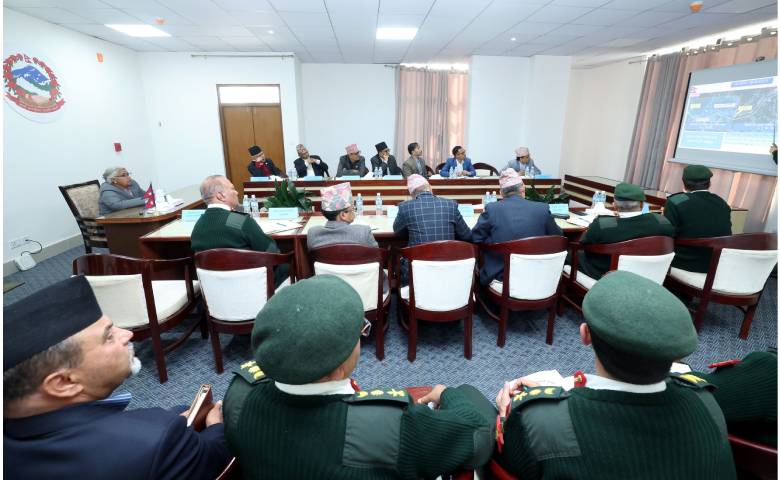
Will the interim PM, Sushila Karki (seen chairing a meeting here), sign off in style?
Ultimately, on March 5, the nearly 19 million voters of Nepal will decide whether they want to continue the stable but slow traditional politics or take a leap into the unpredictable yet hopeful promise of a new political era.
The result of these high-stakes general elections will likely be a critical inflection point for political stability, better governance, and economic recovery in Nepal, marking a generational shift that could redefine South Asian politics for the next decade.
(Views expressed in this report are the authors' own)
Follow us on WhatsApp
Follow us on Facebook
Follow us on X @vudmedia
Follow us on Substack
