
The Hormuz crisis has exposed the deep fragility of India’s fossil fuel dependence and raised serious questions about the government’s long-term energy preparedness. Despite years of strategic announcements and global ambitions, India entered the crisis with limited petroleum reserves, heavy import dependence and inadequate resilience infrastructure. As fuel queues, inflation fears and work-from-home advisories spread, the burden fell disproportionately on workers and lower-income households, revealing how energy insecurity can quickly become a crisis of livelihoods, inequality and governance itself, points out Pradeep Kaimal in this detailed analysis of the ongoing fuel crisis.
Home page image: An AI image of people queueing at a fuel station
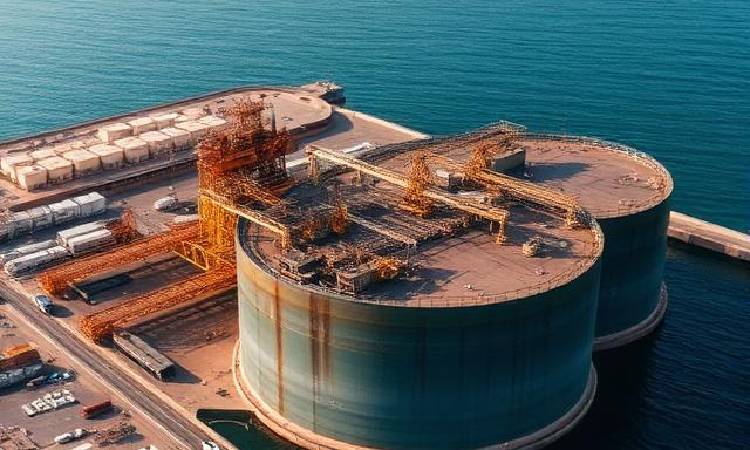
Text page image: An AI image of a crude oil depot for representational purposes
Banner image: Work progressing at the underground crude oil storage facility in Chandikhol, Orissa
“Bhaiya, bas Rs 1,500 ka daal dijiye. Kal mile ya na mile pata nahi,” Rajesh Dhiman, a local auto-rickshaw driver, told the petrol pump attendant. (“Brother, just fill Rs 1,500 worth. Who knows whether we’ll get fuel tomorrow.”)
By seven in the morning, the queue outside the petrol pump near ISBT in Dehradun, in Uttarakhand, had already stretched onto the main road. Auto-rickshaw drivers stood beside their vehicles, scrolling anxiously through WhatsApp forwards about shortages.
A food delivery rider complained that he had spent three hours searching for fuel instead of working. A carpenter from Clement Town wondered aloud whether he could even afford to travel to work if petrol prices rose further.
The anxiety was not imaginary. Uttarakhand had already begun witnessing the early effects of the crisis. Reports from Dehradun and other districts described long queues for LPG cylinders, fears of supply shortages and visible stress across the tourism and transport economy as fuel prices climbed and uncertainty deepened.
For many Indians, the Hormuz crisis stopped being a distant geopolitical confrontation the moment queues appeared outside neighbourhood petrol pumps.
When the global crisis entered Indian streets
What began as a military escalation involving Iran, Israel and the United States quickly travelled across oceans and entered Indian kitchens, transport systems and household budgets. Panic buying spread across states.
Reports and videos showing long queues outside petrol pumps emerged from Maharashtra, Gujarat, Odisha, Chhattisgarh, Punjab and Jharkhand as rumours of supply disruptions intensified. In some places, pumps imposed informal caps on fuel purchases. In Washim, tensions reportedly
escalated into clashes near fuel stations amid severe shortages.
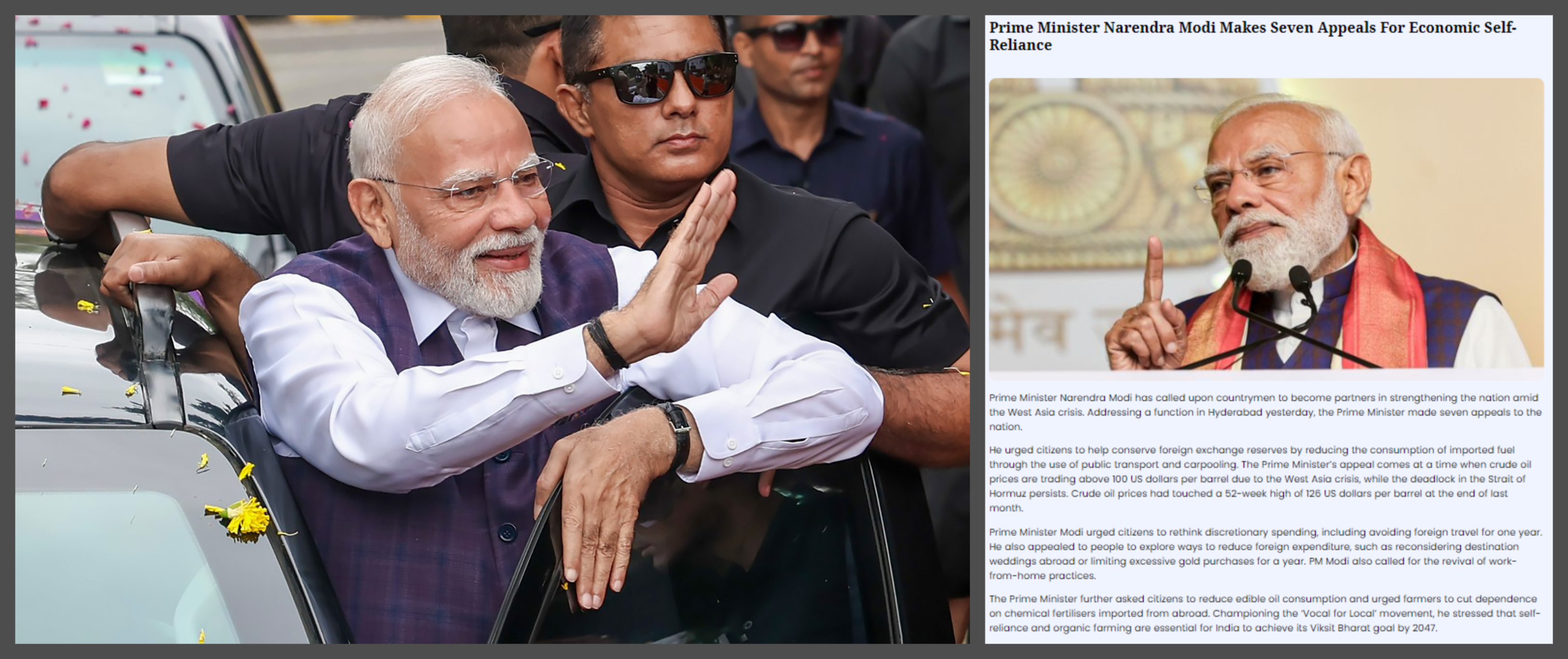
Then came the appeals from the top. Prime Minister Narendra Modi urged citizens to minimise unnecessary travel, conserve fuel and adopt work-from-home practices wherever possible. Governments began reviewing emergency preparedness.
Discussions around fuel rationing quietly entered administrative circles.
And suddenly a deeply uncomfortable question emerged beneath the anxiety: how did a country aspiring to become the world’s third-largest economy arrive at a point where a distant maritime disruption could push it towards behavioural austerity within days?
The answer lies not merely in the Strait of Hormuz, but in India’s long and unresolved dependence on imported fossil fuels — and in the inability of successive governments, including the present one, to build adequate strategic resilience despite repeated warnings from history.
A republic running on imported fuel
The Strait of Hormuz handles roughly one-fifth of the world's oil and LNG trade. Nearly 18 million barrels of crude and petroleum products move daily through the narrow waterway between Iran and Oman. Asia absorbs most of that energy flow. India remains among the most exposed.
More than 85 per cent of India’s crude oil requirement comes from imports, much of it travelling through geopolitical chokepoints vulnerable to war, sanctions and military escalation. This dependence is not merely an energy statistic. It is a structural vulnerability woven deeply into the Indian economy itself.
Oil powers transportation, agriculture, logistics, aviation, fertiliser production and industry. LPG remains essential for millions of households. Diesel sustains trucking networks that move food and goods across the country. Fertiliser imports linked to Gulf supply chains underpin agricultural productivity.
When oil shocks arrive, they rarely remain confined to fuel stations. They rapidly become inflation shocks, food-price shocks, employment crises, fiscal stress, and, eventually, political crises.
The Hormuz disruption exposed this chain reaction brutally. Oil prices surged sharply. Asian LNG prices climbed. Fertiliser costs rose again. Freight charges increased. Airlines faced jet fuel stress. Electricity systems dependent on imported gas came under pressure.
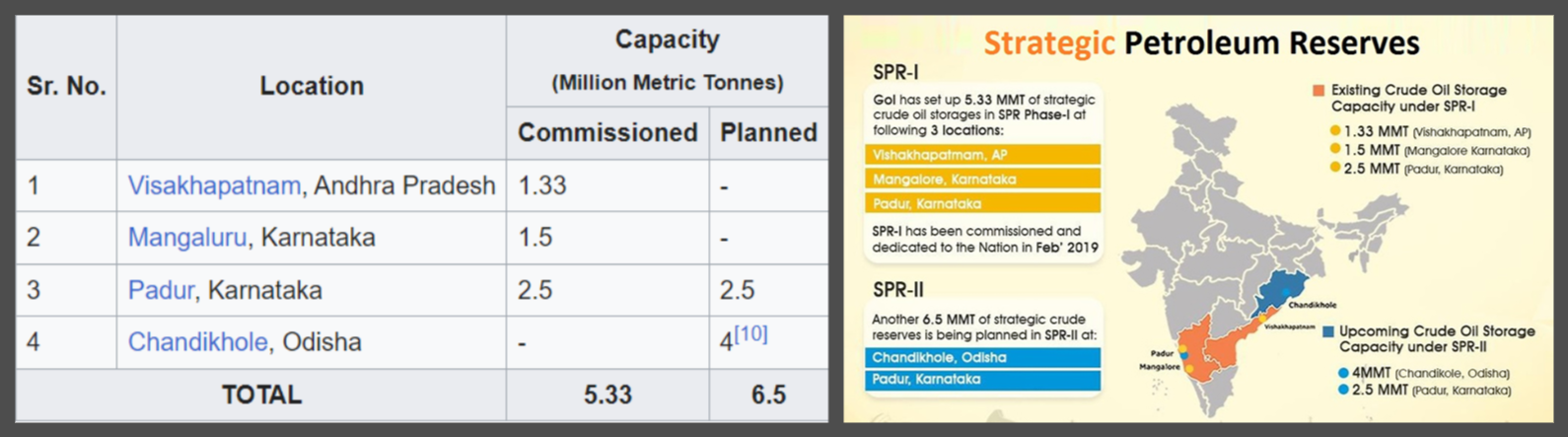
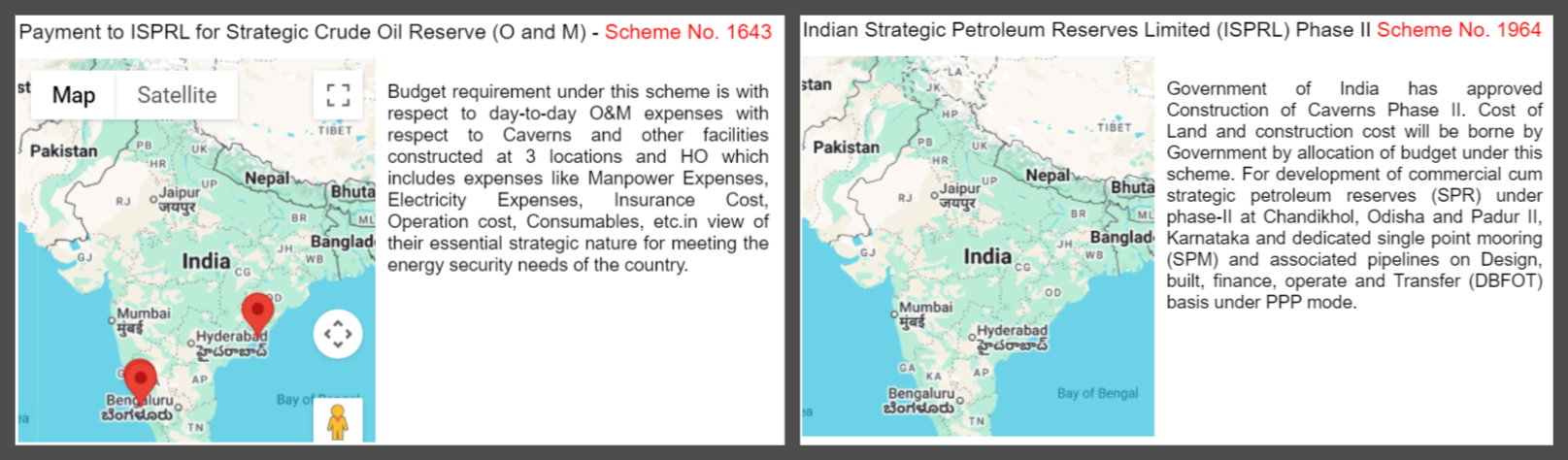
Table explaining Strategic Petroleum Reserves (left); source - Wikimedia Commons; Map showing SPR locations (right); source - Drishti IAS
For India, the crisis arrived at a particularly sensitive economic moment. Household consumption remains uneven after years of inflationary strain.
Unemployment concerns persist. Informal workers continue recovering from earlier economic disruptions. In such conditions, fuel inflation does not simply increase expenses. It compresses survival itself.
The uncomfortable truth about India’s oil reserves
One of the most revealing aspects of the crisis has been the renewed scrutiny of India’s strategic petroleum reserves (SPR). India currently possesses around 5.33 million metric tonnes of strategic crude storage capacity located at Visakhapatnam, Mangalore and Padur. Together, these reserves amount to roughly 39 million barrels of oil.
That may sound substantial until one compares India with other major economies. The United States Strategic Petroleum Reserve historically held more than 700 million barrels. China’s reserves are estimated to exceed 400 million barrels.
Japan possesses reserve capacity sufficient for more than 200 days of imports through a combination of sovereign and commercial stocks. During the Hormuz disruption, Japan reportedly began releasing millions of barrels from its reserves to stabilise domestic supply.
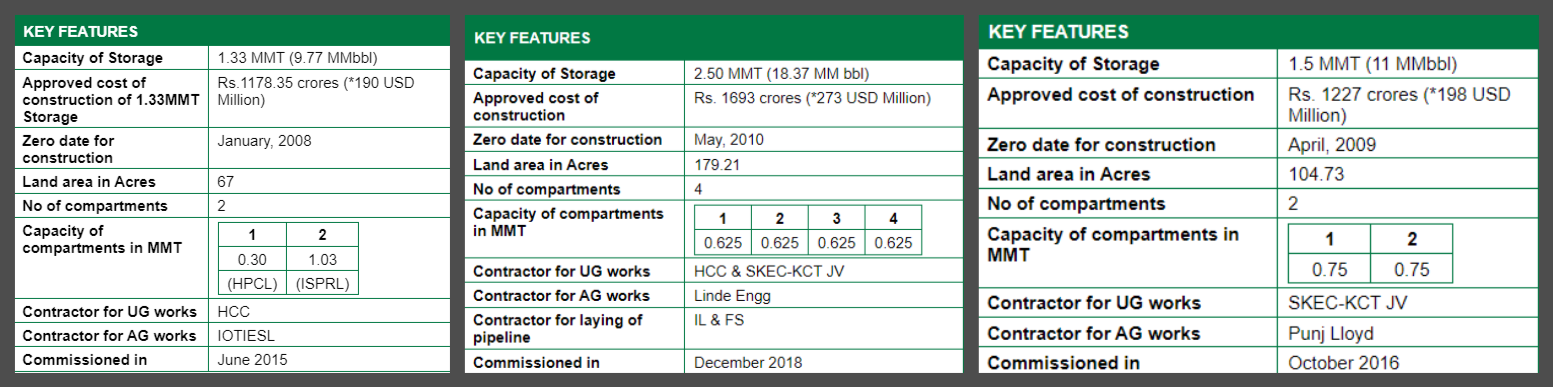
Details of the three SPRs: Vizakhapatnam (left), Padur (centre), Mangalore (right)
India’s dedicated strategic reserves, by contrast, can independently cover barely nine or ten days of crude requirement. Even when refinery and commercial inventories are included, India’s total buffer is estimated at around 70 days.
For a country importing more than four-fifths of its crude requirement through vulnerable maritime routes, that number raises serious questions.
What makes the situation even more troubling is that the inadequacy of India’s strategic reserves cannot be explained by ignorance or lack of warning. The expansion of the country’s SPR network had been under discussion for years.
In the 2017–18 Union Budget, then Finance Minister Arun Jaitley announced Phase-II expansion plans involving a new reserve at Chandikhol in Odisha and additional capacity at Padur in Karnataka. In June 2018, the Union Cabinet granted in-principle approval for a 4 million metric tonne facility at Chandikhol and a 2.5 million metric tonne expansion at Padur.
Yet the projects moved at a remarkably slow pace. Formal approval for the Phase-II commercial-cum-strategic reserve programme under the public-private partnership model came only in 2021. Even after that, implementation remained sluggish.
Reports emerging in 2026 revealed that the Chandikhol project had suffered more than seven years of delay, with land reportedly handed over only recently after prolonged administrative hurdles. Padur’s expansion too moved slowly through surveys, engineering clearances and tendering processes years after the original announcements.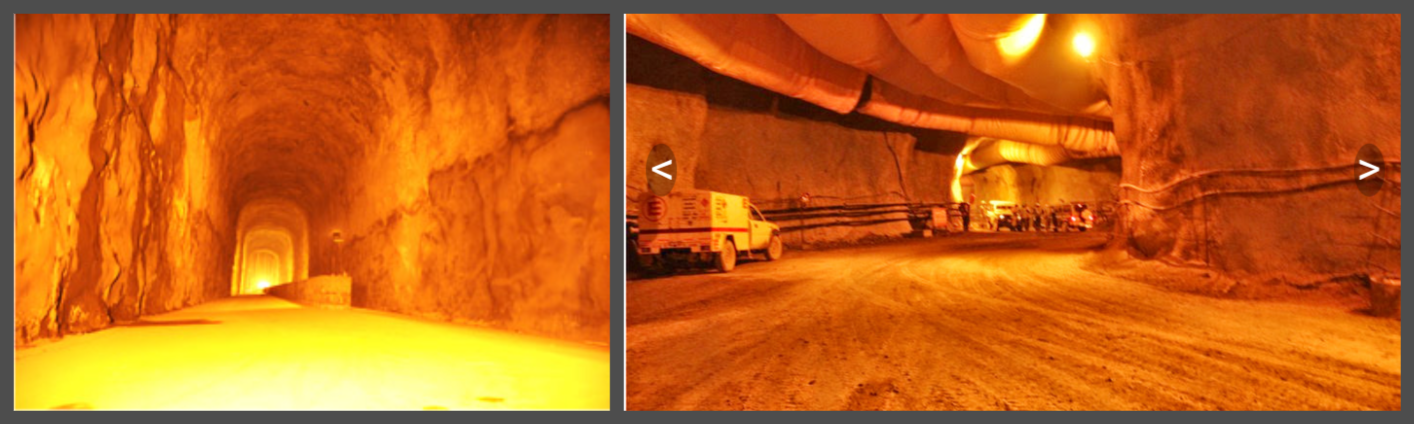 The SPR at Vizhakhapatam
The delays exposed not merely bureaucratic inertia, but a deeper political and administrative apathy towards issues of long-term strategic importance. At a time when India repeatedly projected itself as an emerging global power, one of the world’s most import-dependent major economies still struggled to build even the most basic energy-security buffers with urgency.
This is despite the fact that these vulnerabilities had been repeatedly exposed through successive oil shocks, wars and global supply disruptions over decades.
Announcements were abundant, but storage was not
India witnessed the Gulf War shocks of the 1990s. It experienced repeated oil crises, sanctions-related disruptions, shipping insecurities and the global energy turmoil triggered by the Ukraine war.
Policymakers repeatedly acknowledged the need for stronger strategic reserves.
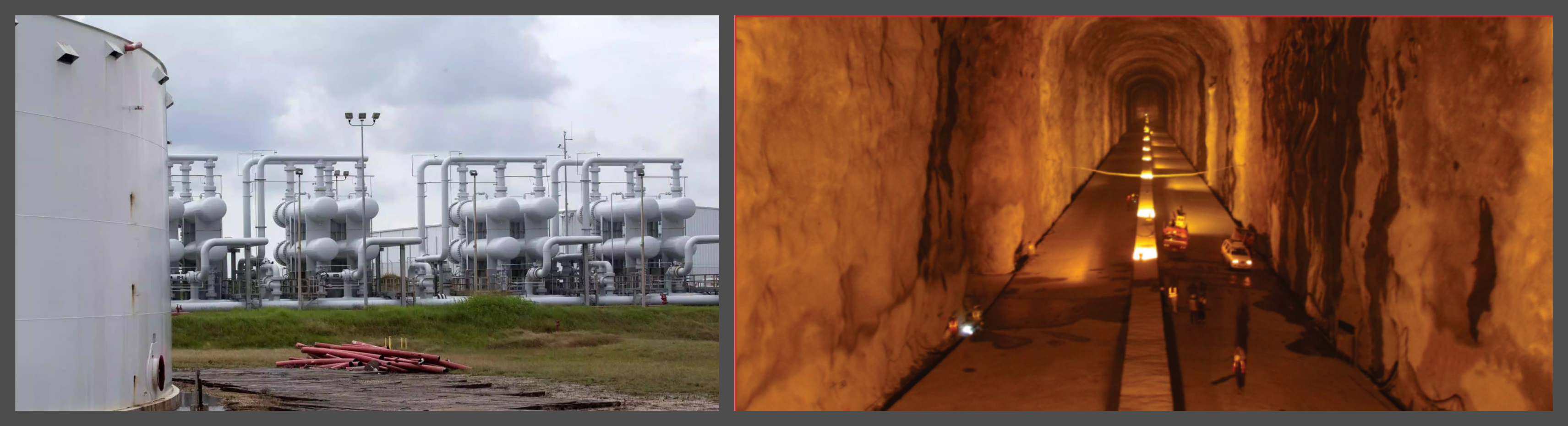 The SPR at Padur
This gap between announcement and execution reflects a deeper governance problem increasingly visible across sectors in India: headline ambition without corresponding institutional delivery.
The government projected the image of a globally ascendant power — hosting summits, discussing strategic corridors, projecting India as a manufacturing hub and promoting visions of ‘Viksit Bharat.’
Yet when the oil shock arrived, the immediate response included appeals for behavioural restraint: avoid unnecessary travel, work from home, conserve fuel and reduce consumption. The contradiction was difficult to ignore.
The political handling of the crisis also raised uncomfortable questions. As global oil markets grew increasingly volatile, official messaging continued projecting calm until the results of the crucial state elections were announced. Fuel prices remained frozen despite mounting global stress, while repeated assurances suggested India faced no immediate fuel shortage.
Critics argued that a government highly conscious of political messaging appeared reluctant to publicly acknowledge the scale of the emerging energy risks before voters had cast their ballots. Large roadshows, helicopter campaigns, vehicle convoys and energy-intensive rallies had meanwhile continued across states without any public call for restraint.
However, once the election results were out, citizens were suddenly being advised to minimise travel, conserve fuel and work from home wherever possible. For many observers, the asymmetry was revealing: austerity appeared to begin only after the ballots had already been counted.
But the larger problem ran far deeper than electoral timing alone.
A genuinely resilient energy strategy would have required years of aggressive investment in strategic reserves, public transport, battery infrastructure, electrified mobility, decentralised renewable systems and reduced oil dependence. Instead, India remains structurally exposed to every major fossil fuel disruption occurring thousands of kilometres away.
One particularly curious aspect of India’s energy policy has now come under renewed scrutiny. During Prime Minister Narendra Modi’s visit to the United Arab Emirates (UAE) last week, India and the UAE discussed expanding ADNOC’s participation in India’s SPRs, with reports suggesting plans involving up to 30 million barrels of UAE crude storage in India.
Supporters argued this would strengthen energy partnerships and improve supply flexibility. But the Hormuz crisis exposes a deeper question: can a country with insufficient sovereign reserves genuinely afford to prioritise becoming a storage destination for foreign crude? Or does this risk become another exercise in diplomatic optics and headline management?
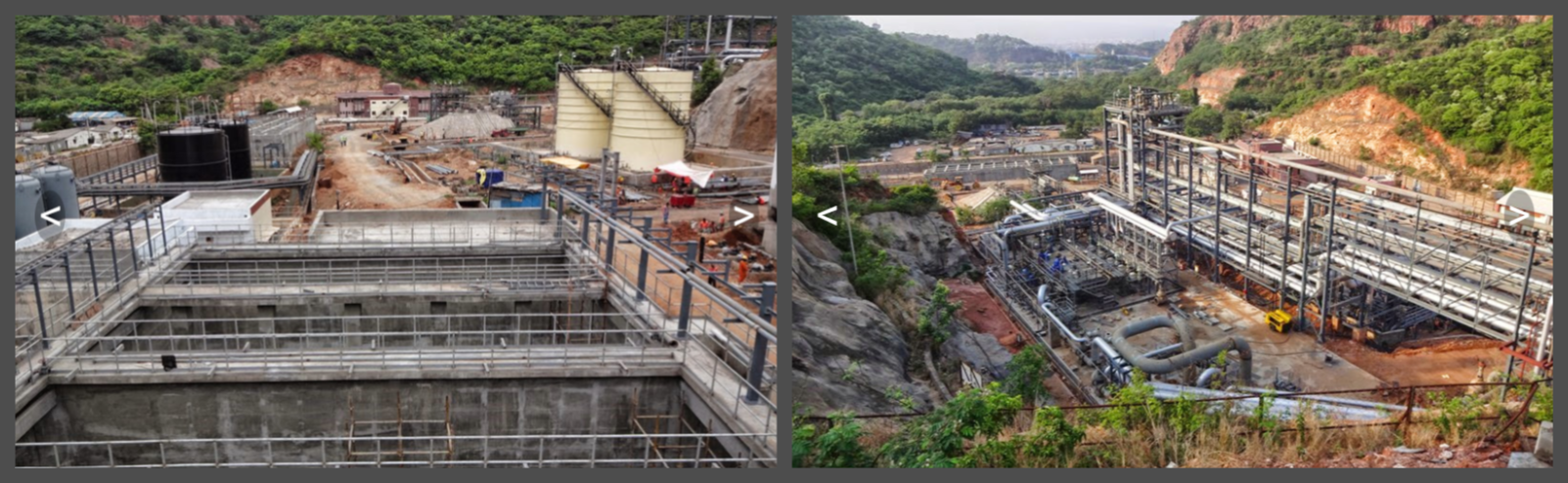 The SPR at Mangalore
The issue is not cooperation with Gulf producers. India’s energy relationship with the Gulf is strategically unavoidable. The real issue is proportionality.
India still lacks a reserve capacity remotely comparable to its economic scale and vulnerability. Expansion timelines remain slow. Yet public discourse often projects energy diplomacy as though India already possesses a robust resilience architecture.
Energy security or diplomatic optics?
The proposed 30 million barrels itself represents a massive logistical undertaking. Converted into conventional energy planning terms, it amounts to roughly 4.1 million metric tonnes of crude oil storage — almost comparable to the scale of India’s existing strategic reserve network built over many years.
Even under an accelerated framework, constructing underground caverns, associated pipeline infrastructure, and operational systems would realistically require several years. India’s earlier SPR projects took close to a decade in some cases, from approval to commissioning.
Yet notably, many reports surrounding the UAE announcement offered little clarity on where exactly such additional capacity would emerge from, how rapidly it could be built, or what implementation timeline had actually been agreed upon.
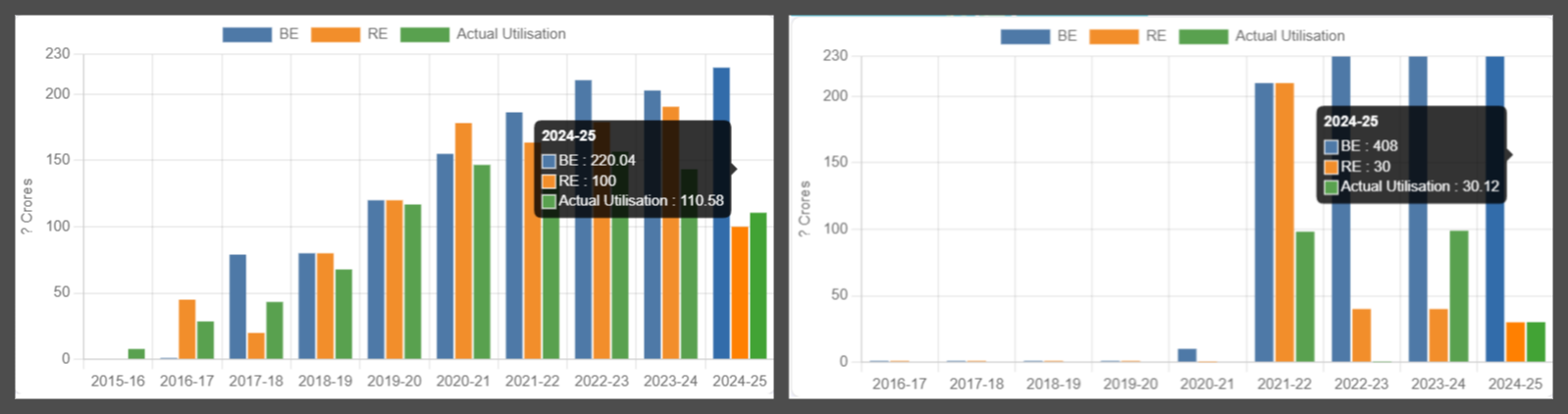
Questions have also emerged over the utilisation of India’s existing reserves. Reports in recent years have periodically indicated that parts of the country’s current strategic storage capacity were not fully stocked despite repeated global supply disruptions, including the Russia-Ukraine war and continuing instability in West Asia.
Critics argue that this reflects a deeper problem in long-term strategic planning — not merely infrastructure delays, but a broader inability among political leadership, policymakers and sections of the administrative establishment to anticipate the scale of geopolitical risk confronting a heavily import-dependent economy like India.
The debate also intersects with foreign policy. Some analysts argue India needed a more carefully balanced diplomatic posture in West Asia, particularly in managing relations simultaneously with the US, Israel, Gulf monarchies and long-standing regional partners like Iran, whose geographic position around the Strait of Hormuz remains central to India’s energy security calculations.
Supporters of the government, however, contend that India has been navigating an exceptionally complex geopolitical environment while trying to diversify suppliers and deepen strategic partnerships across rival blocs.
Either way, the larger concern remains unavoidable: SPRs cannot remain primarily a diplomatic talking point. Ultimately, energy security is measured not by announcements, but by physically available reserves, infrastructure readiness and the ability to withstand prolonged external shocks when crises actually erupt.
Thus, the crisis has exposed how thin that architecture actually remains.
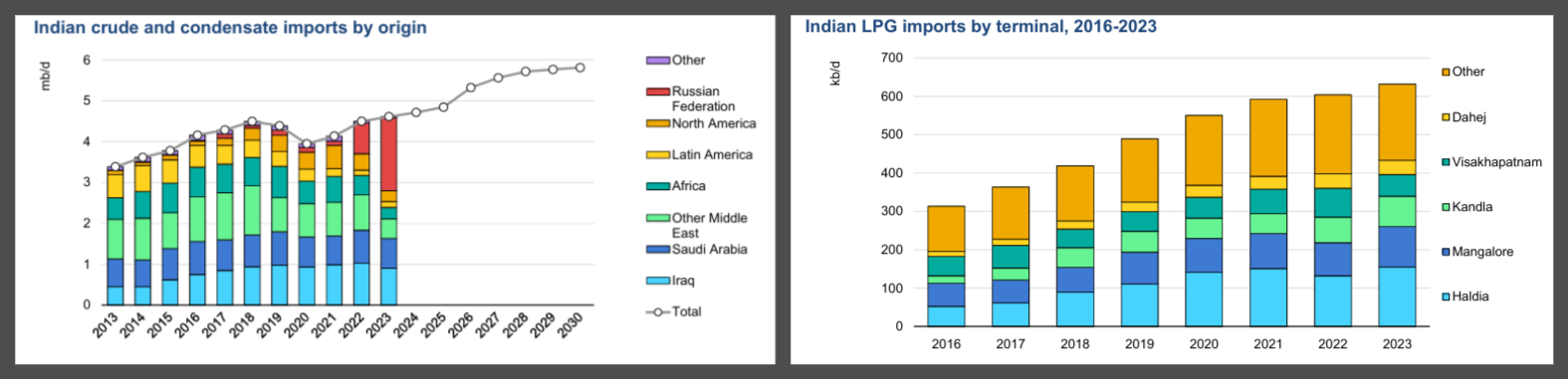
Who really pays for fuel crises?
Perhaps the most revealing aspect of the crisis is who bears its highest costs.
When governments advise citizens to ‘work from home,’ the statement quietly reveals the class assumptions embedded within policymaking itself. Large sections of India cannot work from home.
A delivery rider cannot deliver groceries over Zoom. An electrician cannot repair wiring digitally. A taxi driver cannot transport passengers in a laptop. A carpenter, plumber, mechanic or construction worker survives through physical mobility.
For such workers, fuel is not merely a commodity. It is livelihood itself. Every increase in petrol or diesel prices immediately affects commuting costs, food affordability, loan repayments and household survival.
As fuel prices rise, customers also reduce discretionary spending. Restaurant visits decline. Small repairs get postponed. Local services lose demand. Economic contraction then spreads quietly through neighbourhood economies.
The middle class responds to crises by delaying consumption. The poor respond by cutting nutrition. This is how energy shocks slowly become social crises.
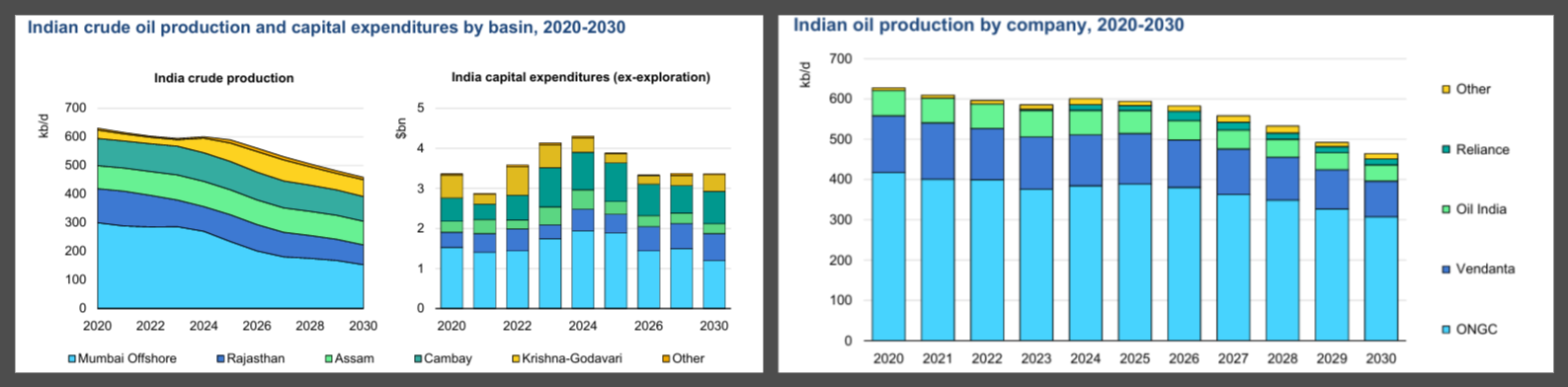
The invisible return of poverty
India has undeniably reduced extreme poverty over recent decades. Electrification expanded. Welfare coverage improved. Consumption rose across many regions. Millions entered lower-middle-class lifestyles built around mobility, connectivity and rising aspiration.
But those gains remain fragile.
A prolonged fuel crisis threatens to reverse parts of that social mobility. Higher transport costs raise food prices. Inflation erodes savings. LPG shortages push poorer households back towards biomass cooking.
Small businesses suffer from declining demand. Informal workers lose income stability. Rural logistics weaken. Even education gets affected when transportation becomes expensive.
The danger lies not merely in temporary hardship, but in the gradual erosion of economic confidence itself. Once households begin prioritising survival expenditure over upward mobility, a broader economic slowdown follows.
This is why fossil fuel disruptions are never simply energy stories. They become stories about class, dignity, labour, inequality and the stability of everyday life.
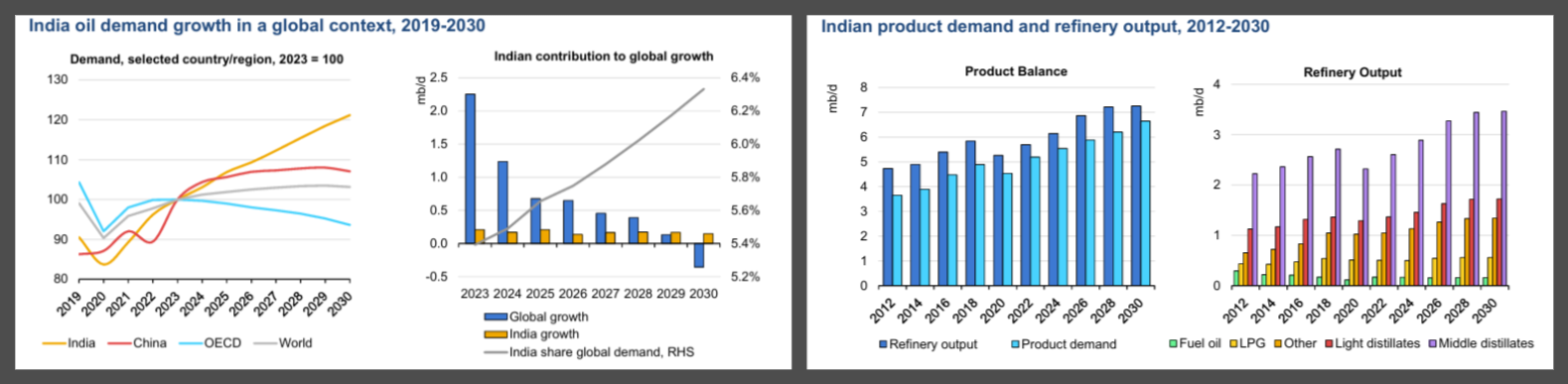
The market versus the citizen
Another debate intensified during the crisis after allegations surfaced in television discussions and sections of the media that private refiners continued exporting large quantities of fuel even as domestic anxieties over shortages grew.
Some reports suggested that fuel imports and refinery economics remained heavily export-oriented even during the crisis period, intensifying criticism that market priorities were outweighing domestic preparedness.
The refining sector operates within global commercial arrangements, and export contracts remain central to refinery economics. Yet the controversy triggered a larger public question: should market logic dominate during a national energy emergency? Or should domestic energy security override export profitability during moments of extreme vulnerability?
The debate exposed a deeper contradiction within India’s economic model — the uneasy coexistence between strategic nationalism in political rhetoric and market-oriented energy structures in practice.
Why does every oil shock strengthen electrification
The deeper problem revealed by the Hormuz shock is not temporary scarcity alone. It is the structural fragility of an economy still overwhelmingly dependent on imported fossil fuel flows.
Oil must be continuously extracted, shipped, refined and transported every single day. Any disruption immediately cascades across prices and supply chains. Renewable systems function differently.
A solar plant in Rajasthan does not depend on tankers crossing conflict zones. A rooftop solar installation continues generating electricity regardless of tensions in the Persian Gulf. Electrified railways reduce oil vulnerability. Battery storage weakens dependence on imported fuel volatility.
This is why every geopolitical oil shock increasingly strengthens the economic logic of electrification. Clean energy is no longer only about climate policy. It is becoming a question of national resilience.
Ironically, the Hormuz crisis may end up accelerating precisely the transition that fossil fuel geopolitics once delayed. Every fuel queue strengthens the argument for electric vehicles. Every LNG disruption strengthens the case for storage.
Every inflationary cycle strengthens the argument for decentralised power generation. Every oil shock weakens the psychological promise of fossil fuel stability.
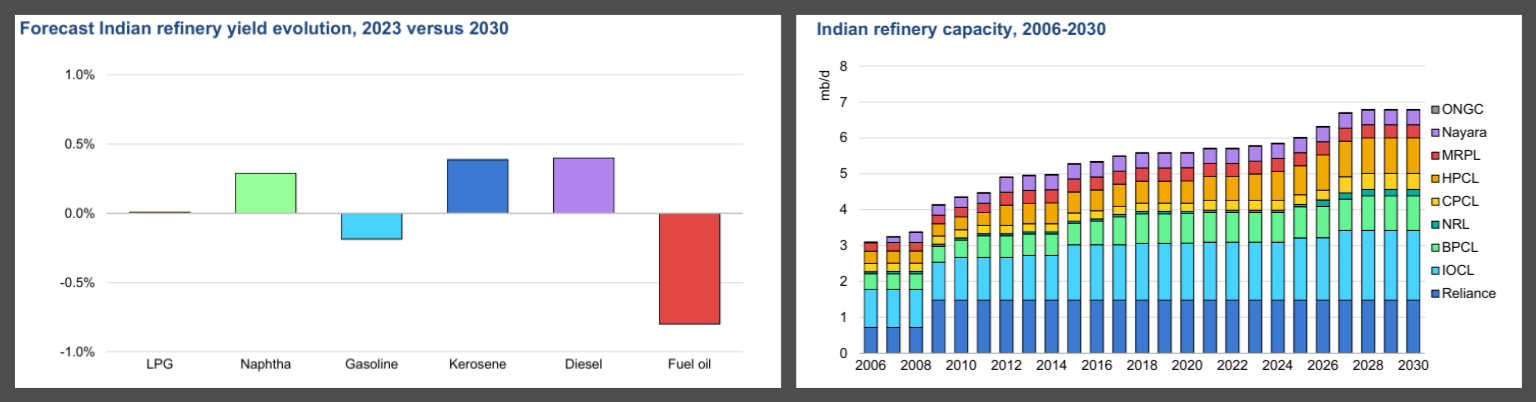
The crisis India was warned about
Ultimately, however, the crisis reveals something larger than administrative delay. It reveals the limitations of a development model excessively dependent on spectacle, centralised messaging and geopolitical projection while underinvesting in long-term structural resilience.
Energy security cannot be built through slogans. It requires patient infrastructure, institutional continuity, strategic reserves, public transport, localised energy systems and reduction of external dependence over decades.
The tragedy is that India possessed ample warning. The Gulf Wars warned us; the 1991 balance-of-payments crisis warned us; the Ukraine war warned us; the Red Sea disruptions warned us.
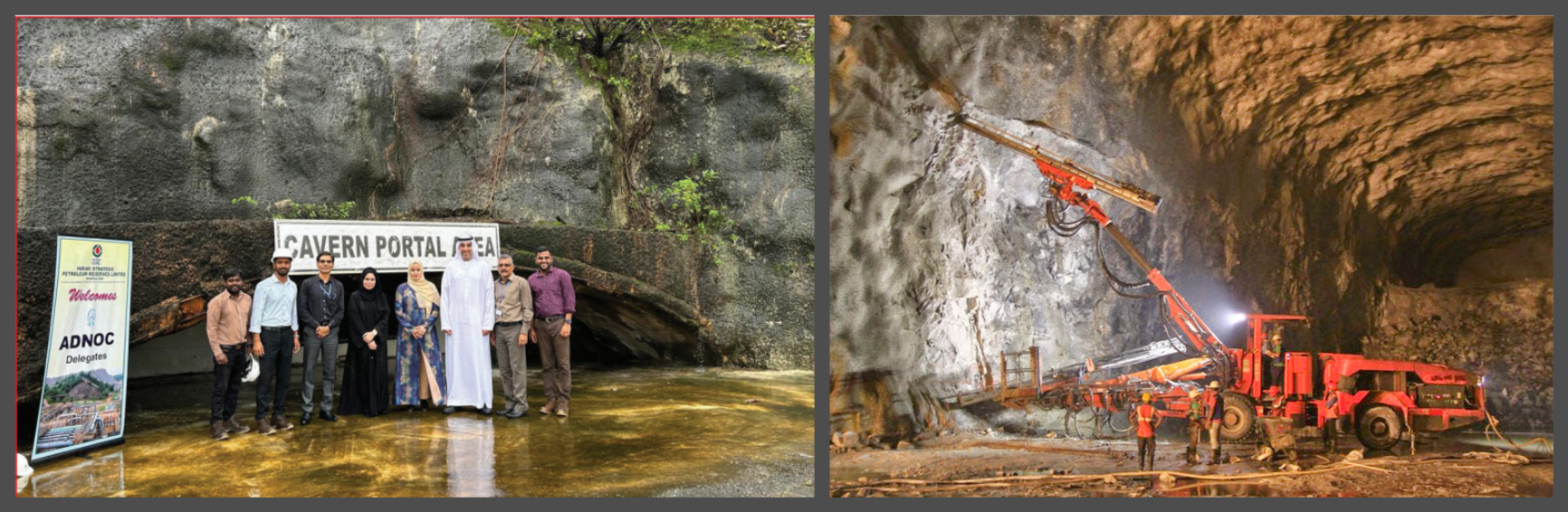
The Abu Dhabi National Oil Company (ADNOC) delegation at Chandikhol SPR (left), and excavation of the underground depot (right)
Yet India still entered the Hormuz crisis frighteningly exposed. And now ordinary citizens are paying the price for that vulnerability — waiting in queues, cutting expenses, cancelling travel and wondering how long the uncertainty will last.
The queues outside petrol pumps are therefore not merely queues for fuel. They are queues formed by decades of deferred preparedness. And unless the country fundamentally rethinks its relationship with imported fossil fuels, they may become a recurring feature of India’s future.
As night settled over Dehradun, Rajesh Dhiman would probably still be standing in another fuel queue, wondering how many more trips he could make before the next price hike arrived.
And like millions of ordinary Indians whose livelihoods depend on movement itself, he would continue living at the mercy of crises shaped far beyond his control — in a country that had spent years projecting strength while remaining dangerously vulnerable underneath.
Follow us on WhatsApp
Follow us on Facebook
Follow us on X @vudmedia
Follow us on Substack
