
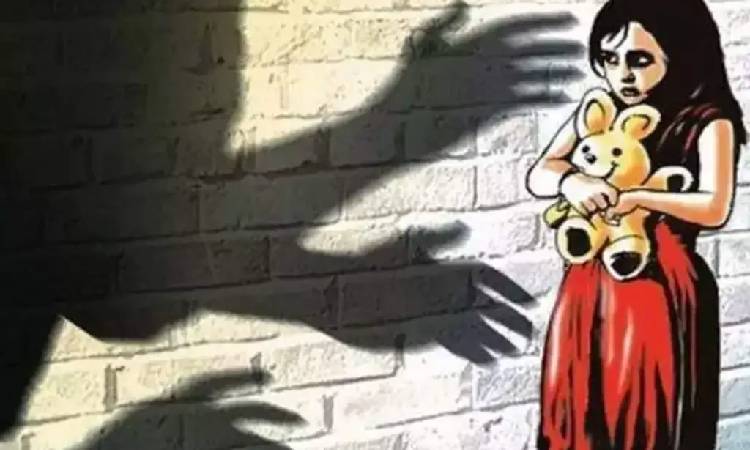
Child abuse survivors often endure a second trauma after reporting abuse as they navigate lengthy investigations, repeated questioning and intimidating courtroom procedures. While public anger frequently fuels demand for swift punishment, constitutional safeguards and due process remain essential to preventing injustice. The challenge lies in designing a system that protects children without compromising fairness. Drawing on legal precedents, rising case volumes and existing reforms, a more child-sensitive approach can reduce trauma, speed up proceedings and strengthen accountability while preserving the fundamental rights of both the survivors and the accused, says Mercy Sam.
Home page image: For representational purposes; image courtesy - Thecolumnofcurae
Text page image: For representational purposes; image courtesy - Indiaeducationdiary
Banner image: For representational purposes; image courtesy - Affairscloud
Child abuse leaves scars that often last long after physical injuries heal. While public attention usually focuses on the crime itself, many young survivors face another ordeal after reporting abuse: navigating a legal system that can take years to deliver justice.
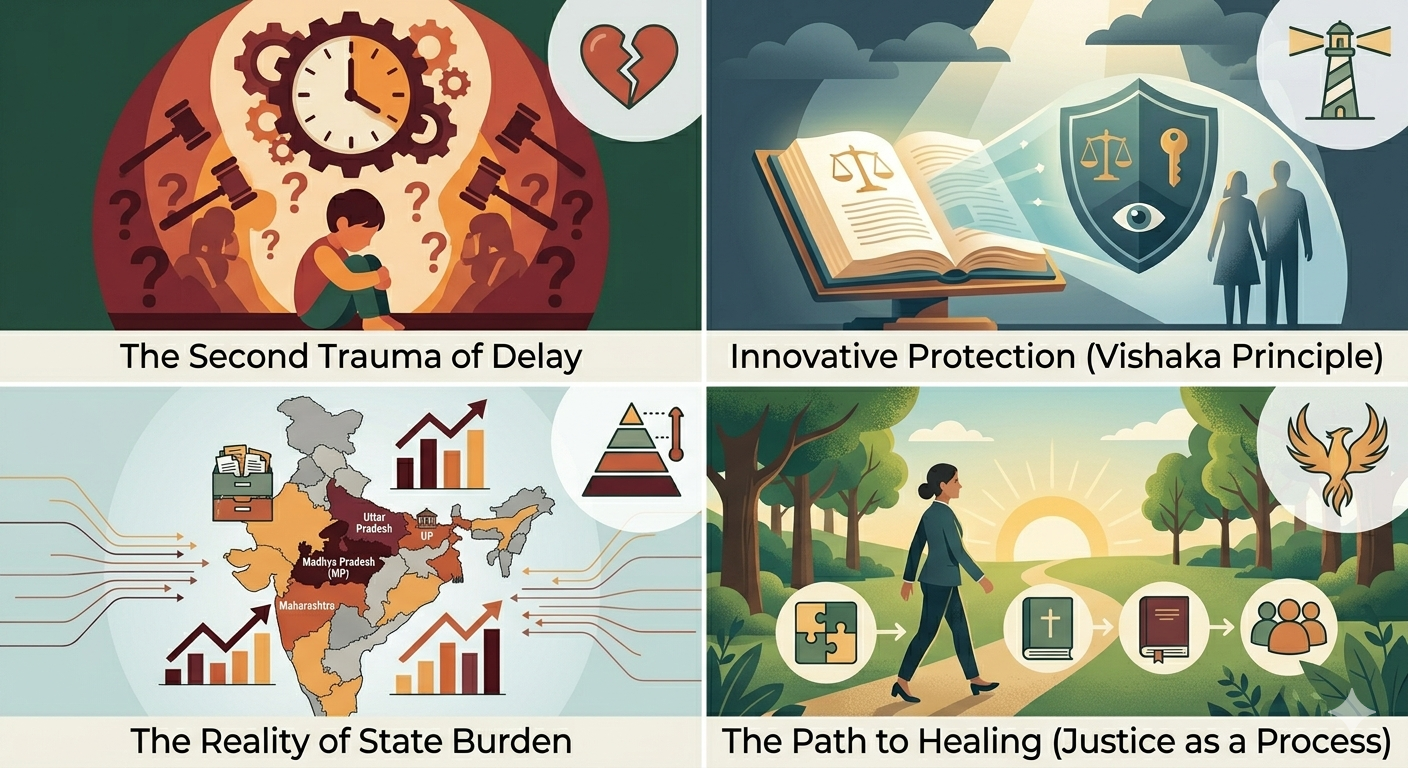
For children, repeated interviews, courtroom appearances and prolonged uncertainty can become a second source of trauma.
People naturally feel a lot of anger, deep sadness, and pain whenever a terrible child abuse case is discovered. Big public protests usually break out after heartbreaking local tragedies, like the recent shocking cases in Coimbatore and Chennai.
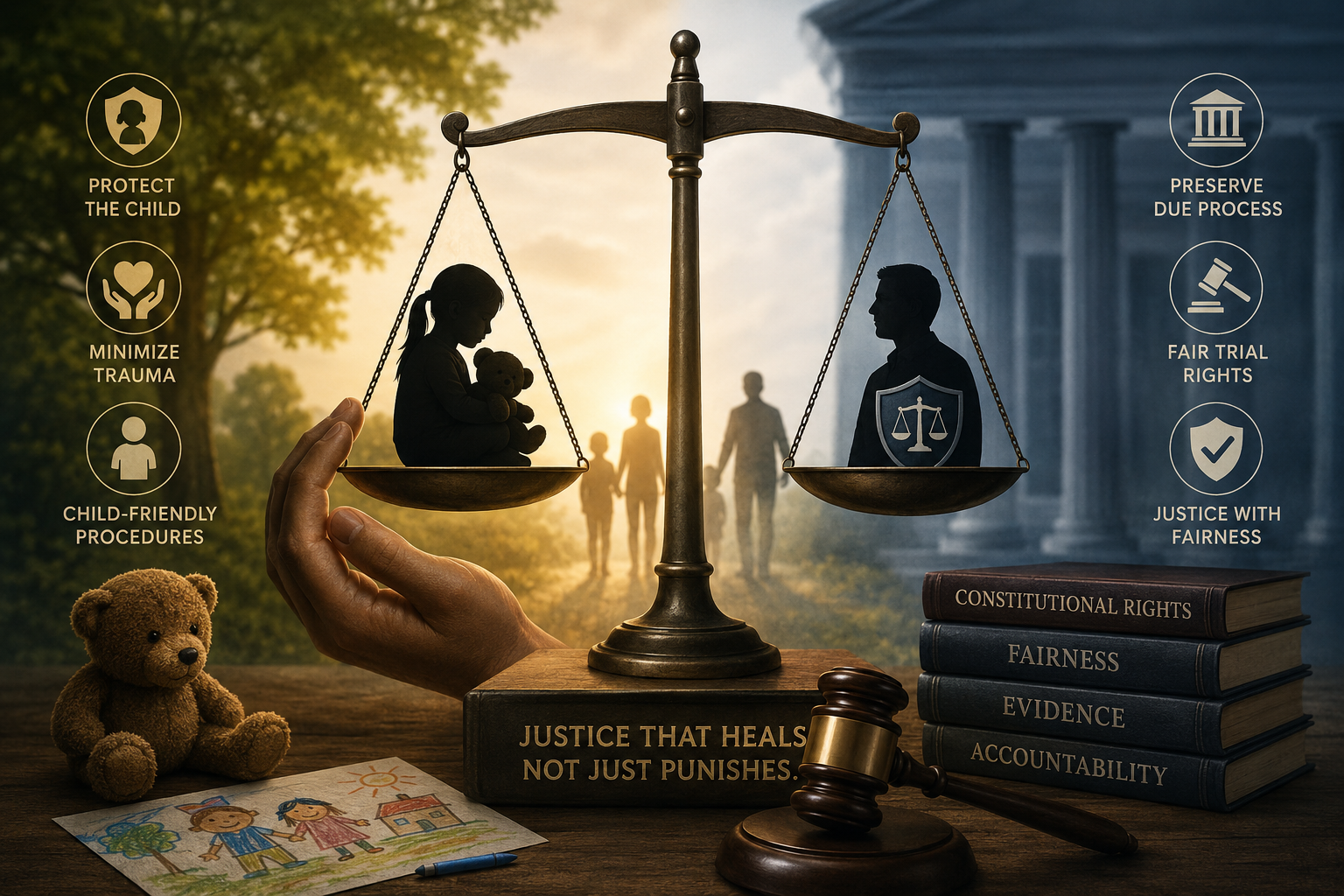
Angry communities often demand that the police accelerate investigations and ensure swift legal action against suspects. This strong demand for instant punishment comes from a natural desire to protect children.
Parents feel that slow court systems leave dangerous people free on the streets. This fear quickly spreads panic and makes entire neighbourhoods feel unsafe.
Yet even in the most disturbing cases, democratic societies cannot abandon the rule of law. Strict rules in democratic countries protect the basic rights of every single person.
These laws include Article 21 in India and the Due Process Clause in the United States. In both countries, governments are legally required to run a fair check before taking away anyone's freedom. This rule gives the accused person a chance to face and question the witnesses to see if they are telling the truth.
Breaking these strict constitutional rules just to satisfy public anger is more often than not dangerous. For it makes it far too easy for the government to incarcerate innocent people by mistake or, at times, for political expediency.
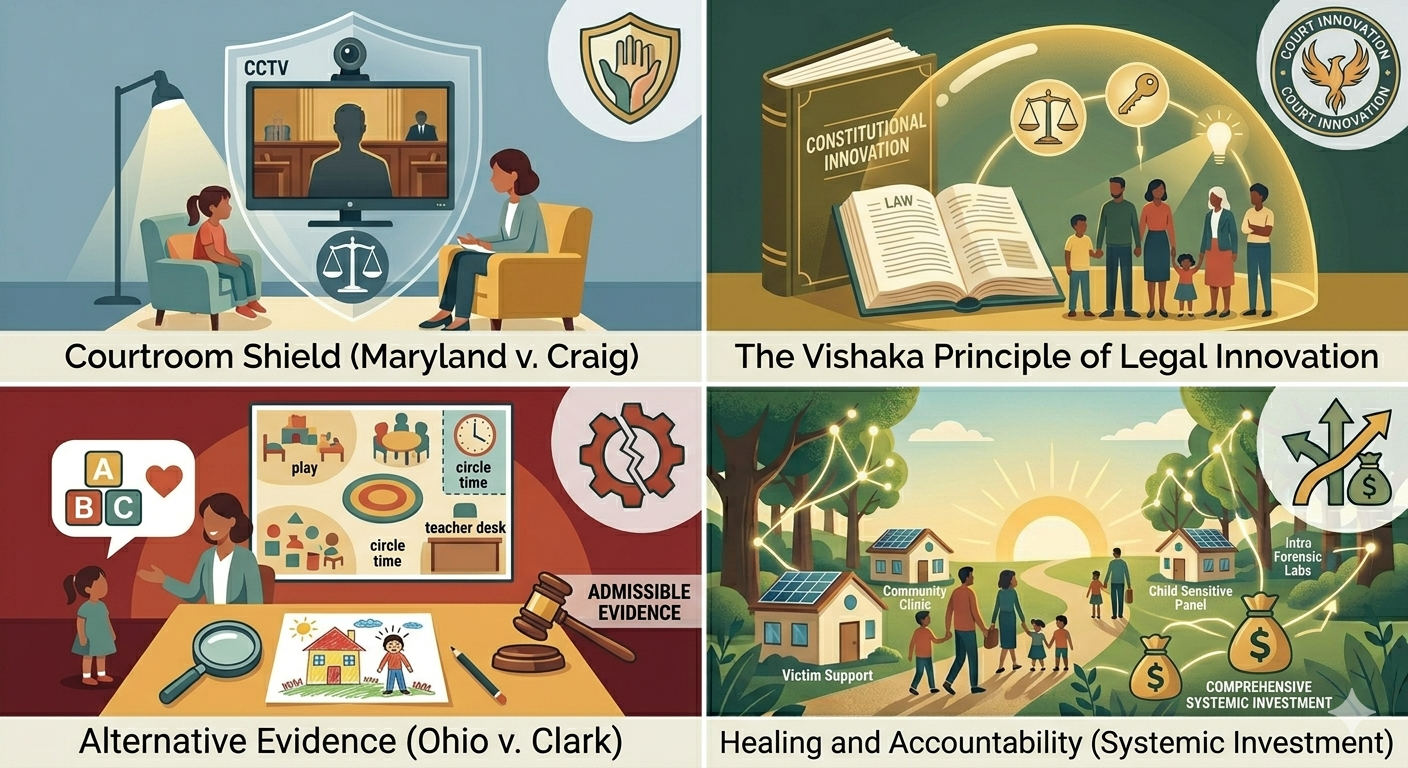
In India, our legal system has a history of changing its rules when standard laws fail to protect the vulnerable. A famous example of this is the landmark Vishaka case (Vishaka v. State of Rajasthan, 1997) decided by the Supreme Court of India.
In that case, the court stepped in because there were no adequate laws to protect women from workplace harassment. The Supreme Court used its power to create a special set of immediate safety rules called the Vishaka Guidelines.
This case proved that the highest courts do not have to wait for slow changes. Courts can actively create new protective guidelines when safety and human rights are in a serious situation.
The broader principle established in Vishaka—that courts can innovate when existing procedures inadequately protect vulnerable groups—may offer useful lessons for strengthening safeguards for child survivors.
The significance of the Vishaka judgment lies not merely in the guidelines it produced but in the principle it established. When existing procedures fail to adequately protect vulnerable groups, courts can innovate while remaining faithful to constitutional principles.
The challenge in child-abuse cases is therefore not whether due process should be weakened, but whether legal procedures can evolve to reduce avoidable trauma without compromising fairness. The real problem right now is not the law itself, but the fact that traditional criminal trials move way too slowly.
Normal court cases routinely take many years to reach a final decision. Waiting for years forces a young child to live in a constant state of fear and worry. This long, painful wait deeply hurts their mental health and stops them from healing.
Studies in New Zealand and other common-law jurisdictions have found that lengthy legal proceedings can cause significant distress for child survivors, affecting their emotional well-being, schooling and recovery.
Long delays in resolving cases have been linked to increased anxiety, disruptions in education and difficulties in emotional recovery. For many families, the uncertainty surrounding an unresolved case becomes a burden that can persist for years.
The harm caused by the legal process is not limited to delay alone.
The court process actually hurts the child all over again when they are forced into an intimidating. Young victims have to sit near their abuser and answer aggressive, tricky questions from defence lawyers.
Children often become frightened, inconsistent in their recollections, or reluctant to speak at all. These reactions can weaken the prosecution's case and, in some instances, make it more difficult to hold offenders accountable.
The solution, therefore, is not to eliminate trials but to redesign procedures. The justice system must remain fair to the accused while reducing unnecessary burdens on child survivors. Procedural reform, rather than abandonment of due process, offers the most realistic path forward.
The reality of crime rates: High-burden states
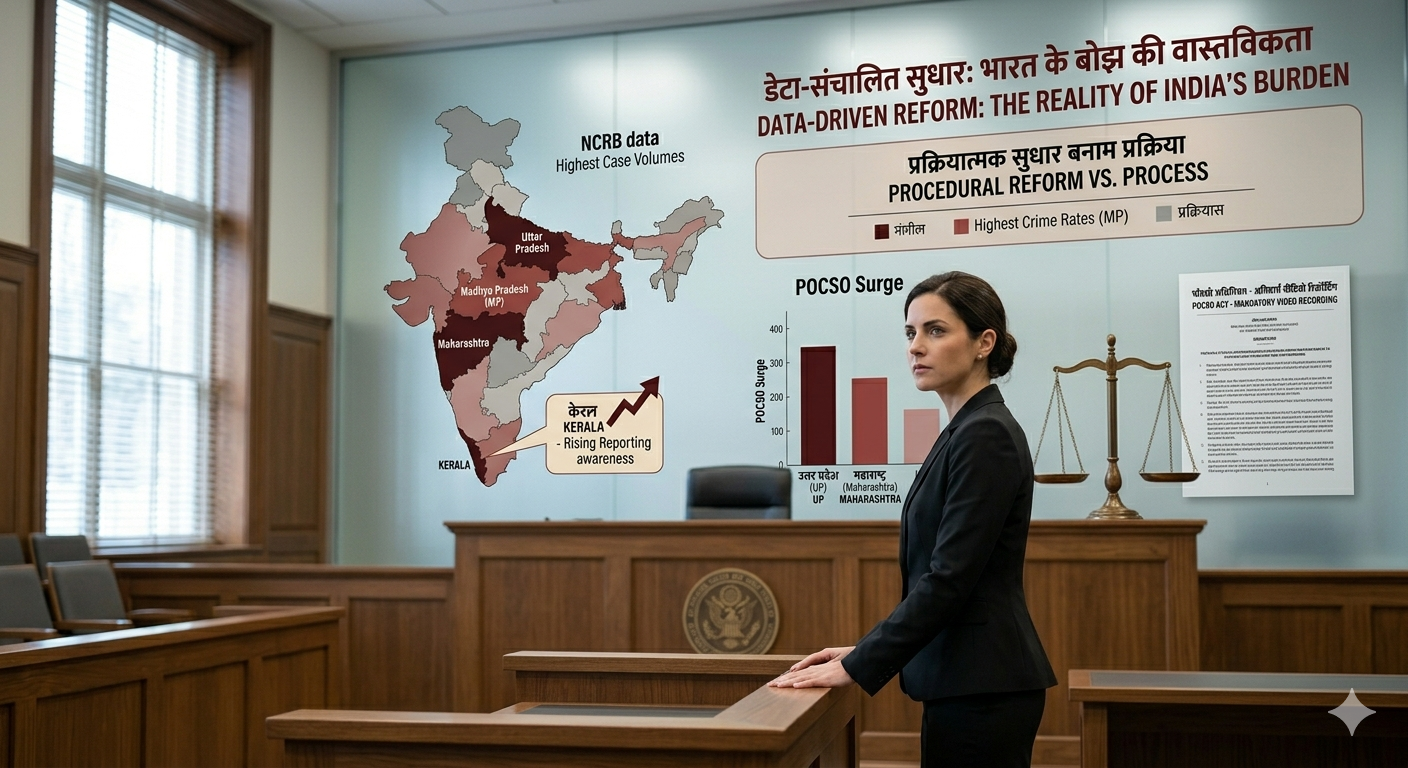
The urgency to reform these courts becomes even clearer when looking at the scale of the problem across India. According to recent data from the National Crime Records Bureau (NCRB), crimes against children have seen a sharp national increase over the past decade.
Highest case volumes: In terms of total numbers, Maharashtra recorded the highest number of overall crimes against children, followed closely by Uttar Pradesh and Madhya Pradesh.
Highest crime rates: When looking at the rate of crime (the number of cases relative to the child population), Madhya Pradesh leads the states, while Delhi consistently records the highest rate among all Union Territories.
The POCSO Surge: For child sexual abuse cases specifically under the POCSO Act, Uttar Pradesh and Maharashtra historically register the highest number of annual cases. Meanwhile, states like Kerala, Assam, and Rajasthan have shown a sharp spike in reported child abuse cases.
Experts emphasise that rising numbers in states such as Kerala may partly reflect improved reporting, greater public awareness and more accurate legal classification rather than a simple increase in crime. When families trust the system, they are more likely to come forward and report abuse.
Yet higher reporting rates also place additional pressure on courts that are already struggling with heavy caseloads.
The growing volume of cases highlights a broader institutional challenge. Even the most child-friendly legal framework will struggle to deliver timely outcomes if courts lack sufficient judges, prosecutors, forensic capacity and victim-support services.
Without corresponding investments in these areas, backlogs are likely to persist regardless of procedural reforms.
Constitutional rights and key court cases
To balance the rights of the accused with the safety of the child, constitutional and appellate courts around the world have ruled that standard trial rules can be altered to protect children, provided the process remains fair to the defendant.
Courts around the world increasingly recognise that protecting child witnesses and protecting the rights of the accused are not mutually exclusive objectives. Over the past several decades, judges have experimented with procedural safeguards designed to reduce trauma while preserving fairness.
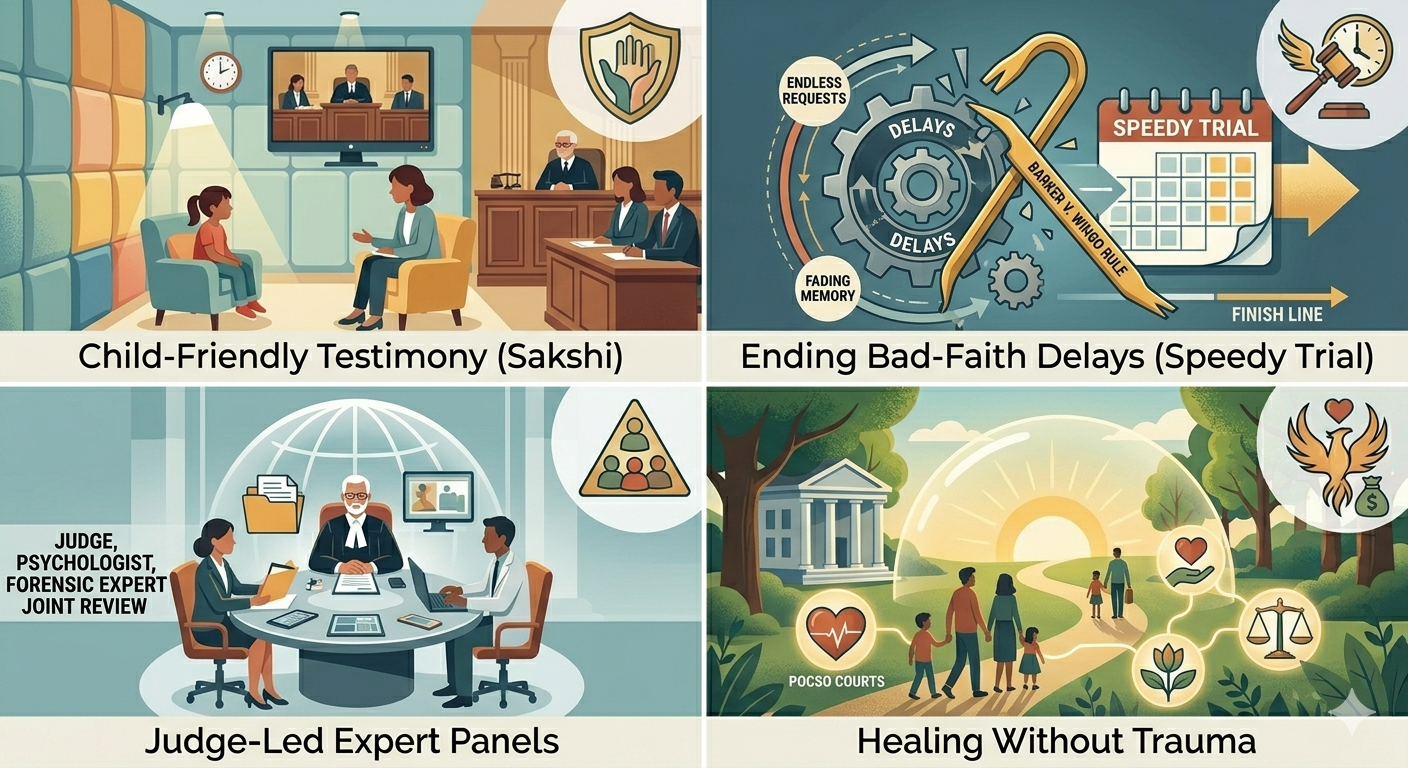
Child-friendly testimony (Sakshi v. Union of India, 2004): The Supreme Court recognised that conventional courtroom procedures can be intimidating for child victims of sexual abuse.
The Court endorsed measures aimed at reducing trauma during testimony while preserving the accused person's right to challenge evidence. The judgment reflected an early recognition that child protection and due process need not be competing goals.
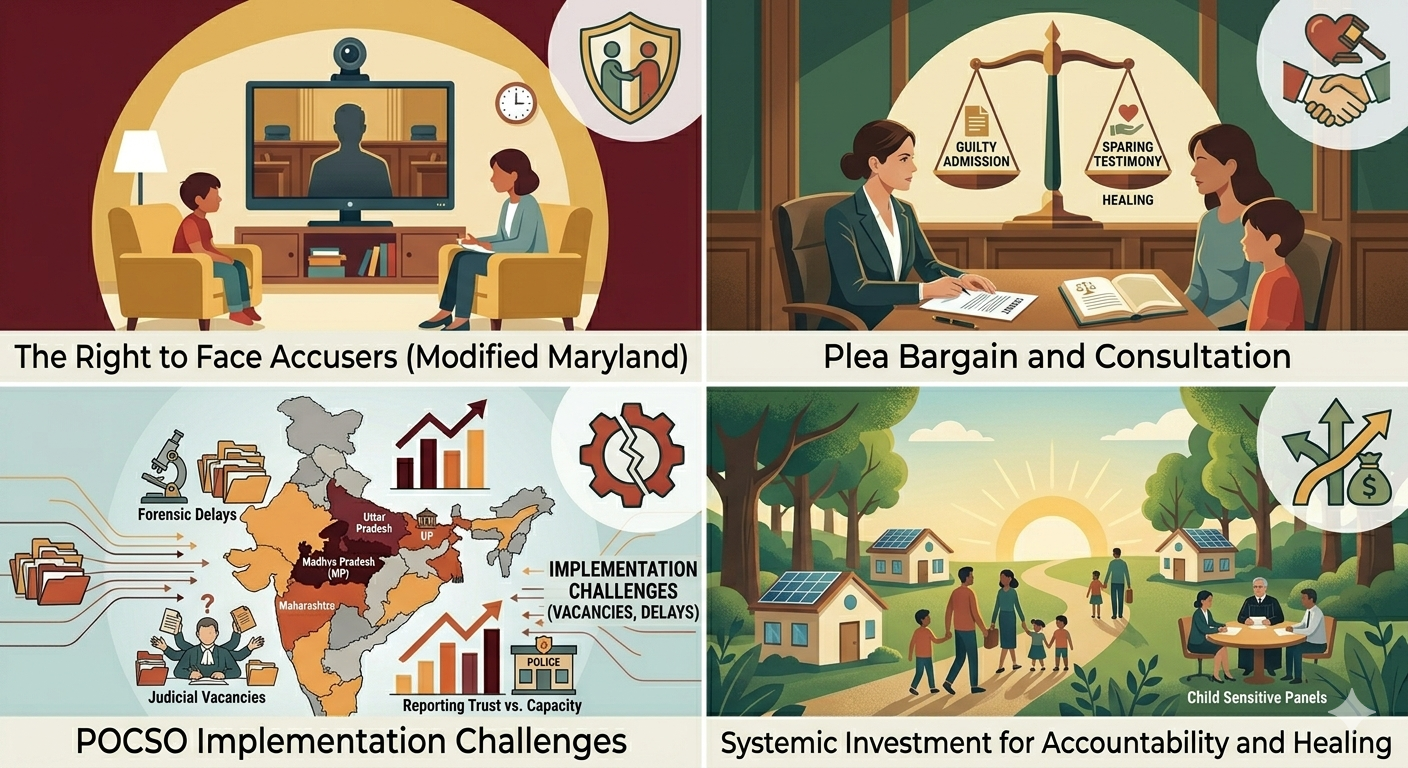
The right to face accusers (Maryland v. Craig, U.S. 1990): The US Supreme Court ruled that child victims do not have to look directly at their alleged abuser while testifying. Instead, they can speak via a live, one-way closed-circuit TV screen from a separate room.
The court stated that protecting a child from severe emotional trauma is important enough to modify standard courtroom setups. The judgment demonstrated that procedural flexibility does not necessarily undermine due process.
Alternative evidentiary standards (Ohio v. Clark, U.S. 2015): In this case, the Court permitted a 3-year-old child's words to be used as evidence, even though the child never testified in person. The child had told his preschool teachers about the abuse.
Because he was talking to teachers to get help (rather than speaking to police officers for a prosecution), the court ruled it was acceptable, reliable evidence. The decision reflected judicial recognition that very young children often communicate abuse differently from adults.
Stopping bad-faith delays (Barker v. Wingo, U.S. 1972): This case established the framework for an individual's right to a speedy trial. In child abuse cases, judges use this rule to deny endless delay requests made by the defence, forcing the case forward quickly because delays harm young witnesses' memory and mental health.
In child-abuse cases, excessive delay can be particularly harmful because memories fade and psychological distress often intensifies over time.
Shortcuts the legal system already uses
The law uses these approved tools to speed up cases and protect children without breaking constitutional rights:
Plea bargains (admitting guilt): The fastest way to bypass a trial is through a plea bargain. This occurs when the accused person formally admits their guilt, often in exchange for a slightly shorter prison sentence. By choosing this route, the defendant gives up their right to a trial, and the child victim is completely spared from ever having to testify in court.
However, plea bargains remain controversial in cases involving serious offences against children. Critics argue that negotiated settlements may sometimes create perceptions of leniency or place indirect pressure on victims' families.
For this reason, any expanded use of plea-based mechanisms should involve strong judicial oversight and clear restrictions for particularly grave offences. To keep this fair, these deals are generally not allowed for extreme violence or repeat offenders, and the child's family must be consulted.
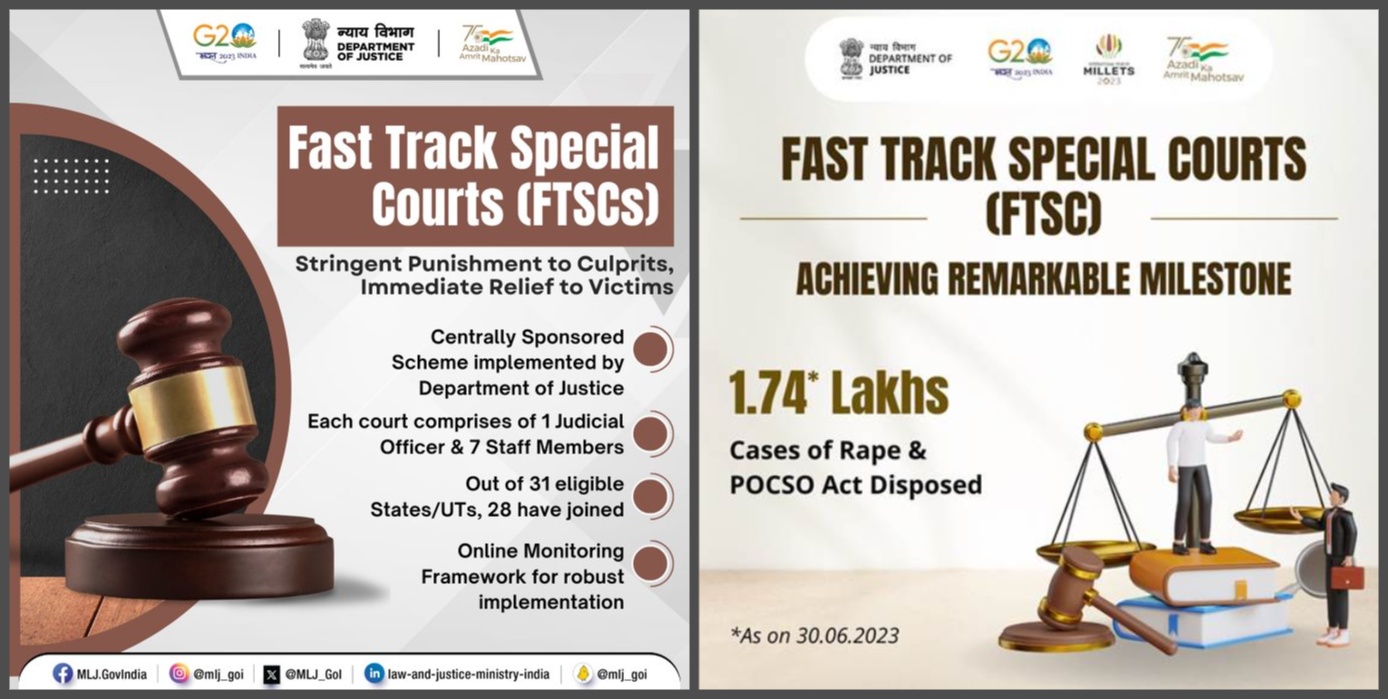
Fast-track courts (like the POCSO Act): In 2012, India passed the POCSO Act, establishing special fast-track courts legally required to resolve child abuse cases much faster than standard courts, ideally within one year.
More than a decade after the enactment of the POCSO Act, implementation challenges continue to affect outcomes across many states. Judicial vacancies remain high in several jurisdictions, while prosecutors frequently handle heavy caseloads.
Delays in forensic testing can postpone proceedings for months, and access to specialised psychological support remains uneven, particularly outside major urban centres.
In some areas, courts designated as special POCSO courts also hear other categories of criminal matters, reducing their ability to focus exclusively on child-abuse cases. As a result, proceedings often continue well beyond the timelines originally envisioned by lawmakers.
In reality, these courts are still slowed down by a massive backlog of cases because there aren't enough judges, specialised prosecutors, or labs to test forensic evidence quickly.
Three practical ideas to fix the system
To make the system faster and safer for child survivors, policymakers should consider expanding and adapting a number of reforms that have already been tested in various jurisdictions.
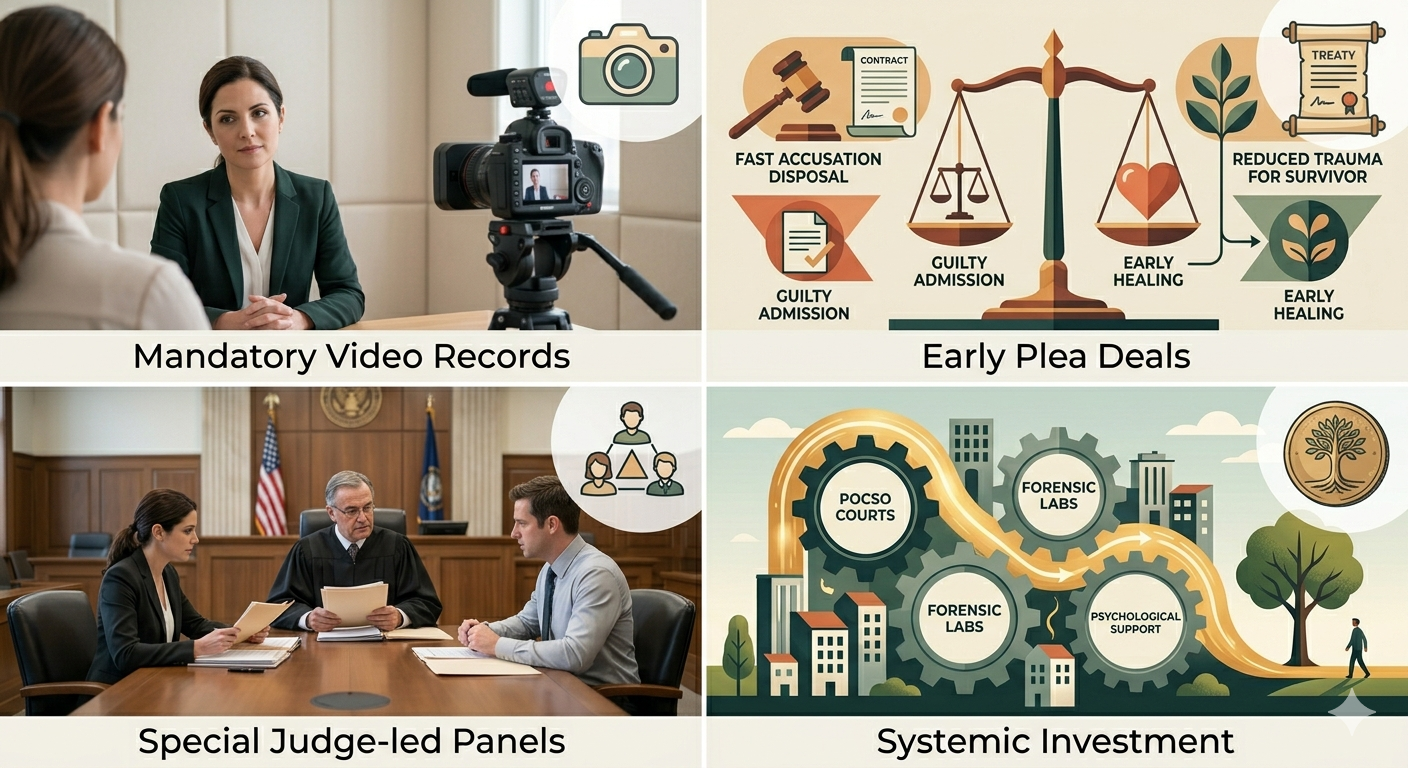
Mandatory video records: When a child first reports abuse, their statement should be recorded on video by a trained child psychologist in a comfortable, safe room. This video would serve as the primary evidence in court, meaning the child never has to enter a courtroom or face an abuser.
Similar approaches have been adopted in several countries to reduce repeated questioning and preserve the quality of evidence at an early stage.
Early plea deals (take-it-or-leave-it): Prosecutors should offer the accused person a clear, one-time-only plea deal at the very beginning of the process.
Any early plea mechanism would need to remain voluntary and subject to judicial scrutiny to ensure that defendants are not penalised simply for exercising their right to a trial. This heavily encourages guilty individuals to skip the trial track entirely.
Special judge-led panels: One possible reform would be the creation of specialised child-justice panels composed of a judge, a child psychologist and a forensic expert. Such panels could review evidence in a more child-sensitive setting while remaining subject to normal appeal rights and constitutional safeguards.
Such a proposal would inevitably raise questions regarding transparency, accountability and appeal rights. Any pilot model would therefore require strong safeguards to ensure that expert input complements, rather than replaces, judicial independence. The abuser’s lawyer can still ask questions, but they must submit them through the psychologist rather than shouting at or intimidating the child.
Protecting children while preserving due process
Protecting children and protecting constitutional rights are not competing goals. A fair justice system must do both.
The challenge before modern democracies is not whether trials should exist, but how legal procedures can be designed so that young survivors are not repeatedly traumatised in the pursuit of accountability.
Better-funded POCSO courts, faster forensic systems, professionally recorded testimony, specialised victim support and carefully designed procedural reforms can all contribute to a more effective system.
Ultimately, justice is not simply about securing convictions. It is about creating a system that punishes the guilty, protects the innocent, respects constitutional rights and allows survivors to heal without reliving their trauma for years inside a courtroom.
The true test of a justice system is not only how it treats the accused, but also how it treats those it is meant to protect.
(Views expressed in this report are the author's own.)
Follow us on WhatsApp
Follow us on Facebook
Follow us on X @vudmedia
Follow us on Substack
