
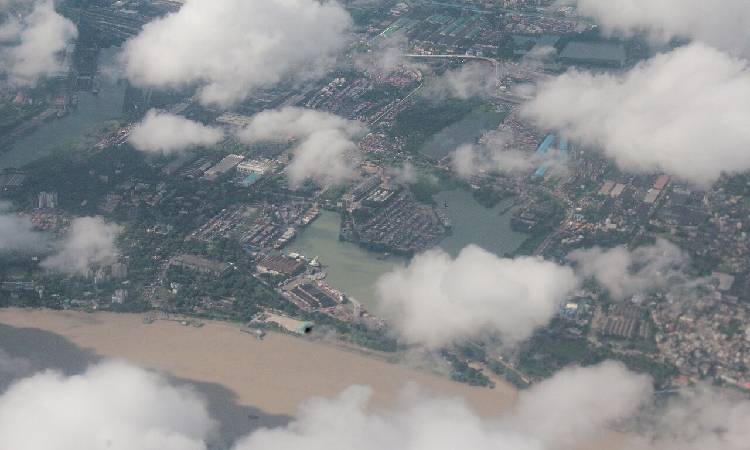
The BJP government in Kolkata has completed 100 days in office. Besides many expected decisions that were taken on a fast track by the Suvendu Adhikhari government, there are now renewed prospects for greater central investments flowing into West Bengal. Key to the economic turnaround of West Bengal are the investments in the maritime sector and the potential to impart stimulus to the ports of West Bengal, particularly the Kolkata port and its supporting infrastructure along the Hooghly River, all the way up to Sagar Point, the gateway to the Bay of Bengal. Intrinsically linked to this turnaround story is the prospect of revival and advancement for Bengal's textile and leather industries, which see potential for significant growth, thanks to the economic slowdown in neighbouring Bangladesh. However, the actual promise of growth is in cross-border linkages with Bangladesh by pivoting Kolkata as the hub of regional maritime-based trade and commerce, say Shaoni Guha Mazumder and Tapas Das in this third part of the Bay of Bengal series.
Home page image: An aerial view of the Kidderpore Dock, the Netaji Subhas Dock and the Hooghly River; photo credit - Sumita Roy Dutta
Text page image: An aerial image at dusk of the Port of Kolkata
Banner image: A panoramic view of Kolkata from Howrah and the Second Hooghly Bridge; photo credit - Rangan Datta
The Bharatiya Janata Party (BJP), which came to power in West Bengal for the first time, has completed 100 days in office. One of Chief Minister Suvendu Adhikari's first announcements was a 4,000-crore steelworks plant in Purulia.
Bengal Minister for Industry, Commerce and Enterprises Tapas Roy had expressed optimism that industries will return to the state, citing strong enthusiasm among industrial leaders following the change in power. The state’s Finance Minister Swapan Dasgupta said in June that the BJP government is pro-business, and exhorted “Bengali entrepreneurs to take advantage of it.”
Such optimistic announcements aside, can the new industrial policy restore the past glory of Kolkata port? In this analysis, we examine the importance of the Kolkata port, including its strategic location vis-à-vis the Bay of Bengal as well as how political change in Bengal is likely to shape the port’s future.
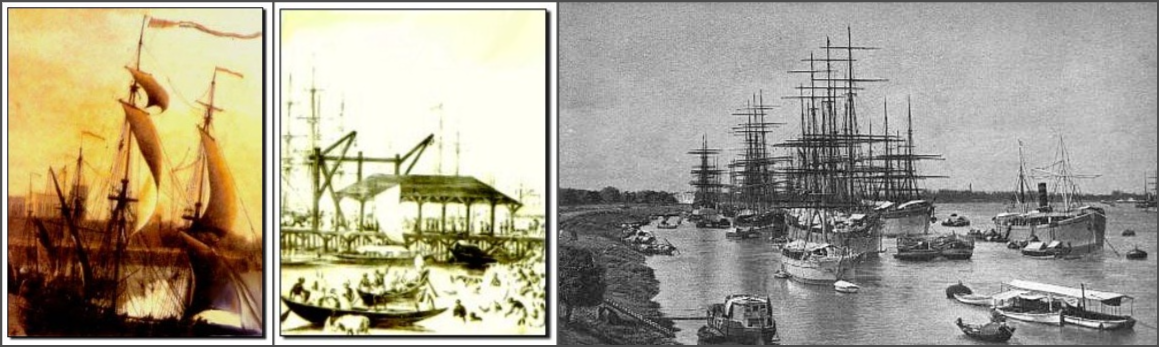
The port in the Aurangazeb years (left), after the East India Company took over (centre), and an undated old image (right)
The dawn of Calcutta port
The history and legacy of maritime trade in India are incomplete without tracing the rise of Calcutta, one of South Asia’s oldest and most historically significant modern ports. Its origins date back to the 16th century, when the Portuguese colonisers began anchoring their ships at the port’s current location.
However, despite the Portuguese perceived trade monopoly in Bengal, their influence began to decline from 1610. Following the capture of the Hooghly town by Mughal ruler Shahjahan’s troops in 1632, their presence in Bengal diminished as a major commercial player.
The foundation of the current port dates back to the time when Mughal ruler Aurangzeb granted trading privileges to the British Settlements in eastern India. In 1690, Job Charnock, an English agent of the East India Company, established a factory at a village located approximately 126 miles upstream along the Hooghly River.
A glimpse of port-led industrialisation can be seen in early nineteenth-century Bengal, when shipbuilding emerged as a crucial component of Bengal’s colonial economy. It employed thousands of artisans and labourers while fostering ancillary industries such as rope-making, ironworking, sailcloth production, and timber trade.
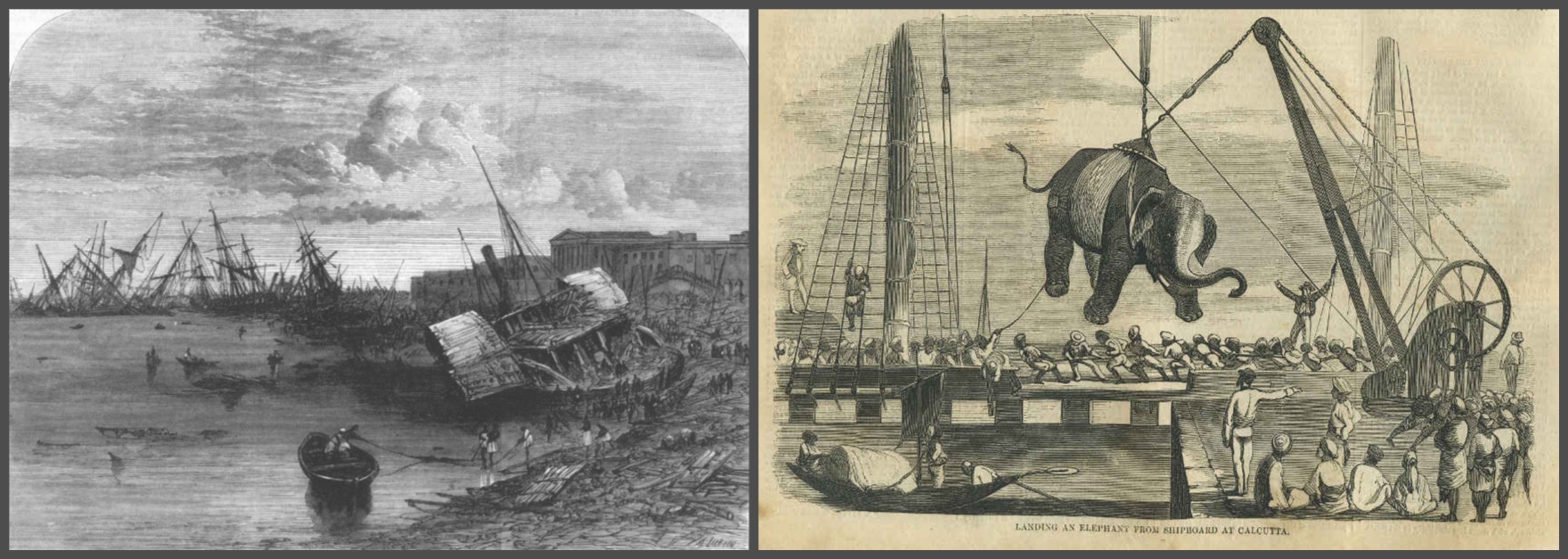
The aftereffects of a cyclone that hit Calcutta, from the Illustrated London News, 1864 (left), and landing an elephant from shipboard at Calcutta, from Harper's Weekly, 1858 (right)
During 1871-72, the number of jetties rose to six, which accommodated 143 vessels with a net tonnage of about 222,000 tons. This region saw the development of the iron and steel, jute, and engineering goods industries. With the creation of a Port Commission in 1870, the British gained administrative control over the port’s operations.
Calcutta’s cargo traffic peaked in 1929–30, when the port handled around 11 million tonnes annually in both 1928–29 and 1929–30. An analysis of Calcutta’s share in India’s foreign trade from 1870 - 71 through 1946- 47 shows the important contribution this port made to the economy.
During this period, about 41.6 to 53.2 per cent of India’s exports and about 39 to 47.4 per cent of its imports, both in value terms, passed through Calcutta.
Another major development during the last quarter of the nineteenth century was the completion of the Kidderpore Docks in 1892. By 1900, the port had emerged as a major supplier of salt to Bengal, Bihar, Assam, and parts of the North-Western Provinces.
Calcutta also became an important export hub for jute products, supplying markets across North and South America, Australia, Africa, and several other regions.
At the same time, its hinterland supplied European industrial economies with commodities such as indigo and cotton. The port’s increasing significance was further complemented by the expansion of cash crops such as opium, jute, and tea, and by the growth of the coal industry after 1895.
The fading of glory
Bengal’s past glory and present decline are most starkly visible in the diminishing importance of the Kolkata port post-independence. Despite being an economic powerhouse throughout most of imperial rule, it failed to retain its strategic importance in the maritime trade landscape of independent India.
The biggest geopolitical shock came with the partition of Bengal in 1947. Calcutta’s colonial-era jurisdiction extended deeply into what became East Pakistan (now Bangladesh), particularly the jute-growing districts. However, the partition severed these economic linkages and substantially reduced the port’s hinterland.
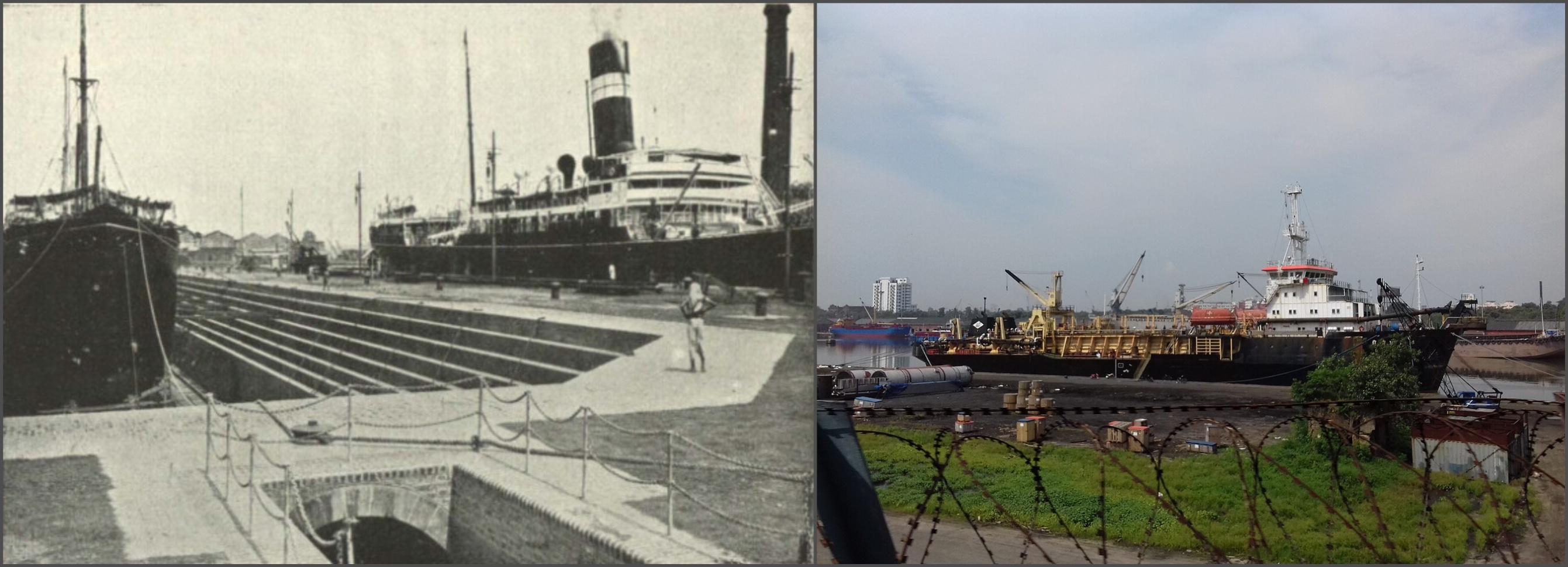
The Kidderpore Dry Dock then (1905), and now (right)
As the significance of the Kolkata port rested heavily on its vast hinterland and export-oriented industries, the loss of that hinterland was a heavy blow. After Independence, eastern India experienced prolonged industrial stagnation, weakening the industrial and commercial base that fed the port.
Between 1960 and 2024, its proportion of the national Gross Domestic Product (GDP) fell from 10.5 to 5 per cent. The sluggish growth of this region’s economy explains the declining trend in the share of traffic at this port. Between 1970 and 1998, the state’s share in India’s industrial production fell from 13.5 to 5.1 per cent even as leftist politics enabled militant trade unionism and scared away businesses.
At the same time, the silting and navigational constraints of the Hooghly became increasingly problematic as global shipping shifted towards larger, deeper-draft vessels. The response to the Hooghly problem was not to abandon Kolkata but to move part of the port’s functions downstream.
Haldia was developed as a deep-water dock capable of handling larger vessels. The emergence of Haldia was itself an admission of Kolkata’s limitations.
Consequently, Kolkata’s enormous historical hinterland became increasingly fragmented. Even after India liberalised its economy in 1991, West Bengal struggled to attract investment, as opposition to land acquisition, often supported by political leaders, continued to hinder industrial development.
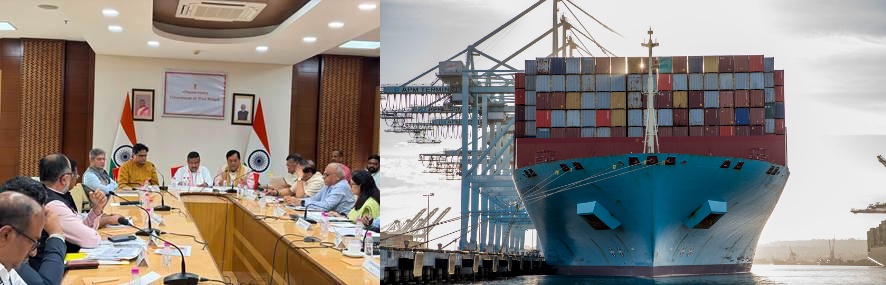
West Bengal Chief Minister Suvendu Adhikari and Union Minister of Shipping Sarbananda Sonowal at the June meeting (left), and a huge cargo ship docked at the Port of Kolkata (right)
Reclaiming the past
The BJP government in West Bengal has announced its plans to transform the state into a maritime hub, with an investment pipeline of INR 19,209 crore by 2031. During a June 2026 meeting between CM Suvendu Adhikari and Union Minister of Shipping Sarbananda Sonowal, Kolkata was declared the 18th city to join the Union government’s water metro project as per the Draft National Water Metro Policy.
Also highlighted was the state’s maritime potential, besides the traffic through Syama Prasad Mookerjee Port having increased from 46.29 million metric tonnes in 2014 to 70.87 million metric tonnes in 2025-26, while inland waterways cargo movement has grown nearly fivefold over the past decade.
West Bengal’s formal entry into the Centre’s Sagarmala 2 programme marks an important shift in the state’s development strategy. The Sagarmala 2 programme, with an estimated investment of INR 22,700 crore over the next five years, would include the proposed deep-sea port at Dadanpatrabar in Purba Medinipur, the Kolkata Water Metro, and the expansion of riverine and coastal infrastructure.
The implications of stronger maritime connectivity extend beyond West Bengal. As India deepens economic engagement through the Act East policy and regional frameworks such as BIMSTEC, improved connectivity in eastern India could strengthen economic integration across the Bay of Bengal region and contribute to a more balanced geography of trade and investment.
The extended port economy
However, the Kolkata port is unlikely to restore its historically prominent status without a comprehensive restructuring of its current operational framework.
Shadows have been cast over garment manufacturing hubs in Metiabruz and Barasat following the 50 per cent tariffs against India imposed by US President Donald Trump. This has emerged as a double blow for garment makers, with India-Bangladesh trade relations also not yet back to normal.
According to the Bangladesh government, at least 402 ready-made garment (RMG) factories were closed in the country between July 2023 and June 2026. The decay of the garment industry in Bangladesh could bring an opportunity for West Bengal.
The events in Bangladesh following the July uprising of 2024, including the exit of Sheikh Hasina and the Bangladesh Nationalist Party’s return to power, once again prove that India-Bangladesh relations could considerably depend on regime compatibility.
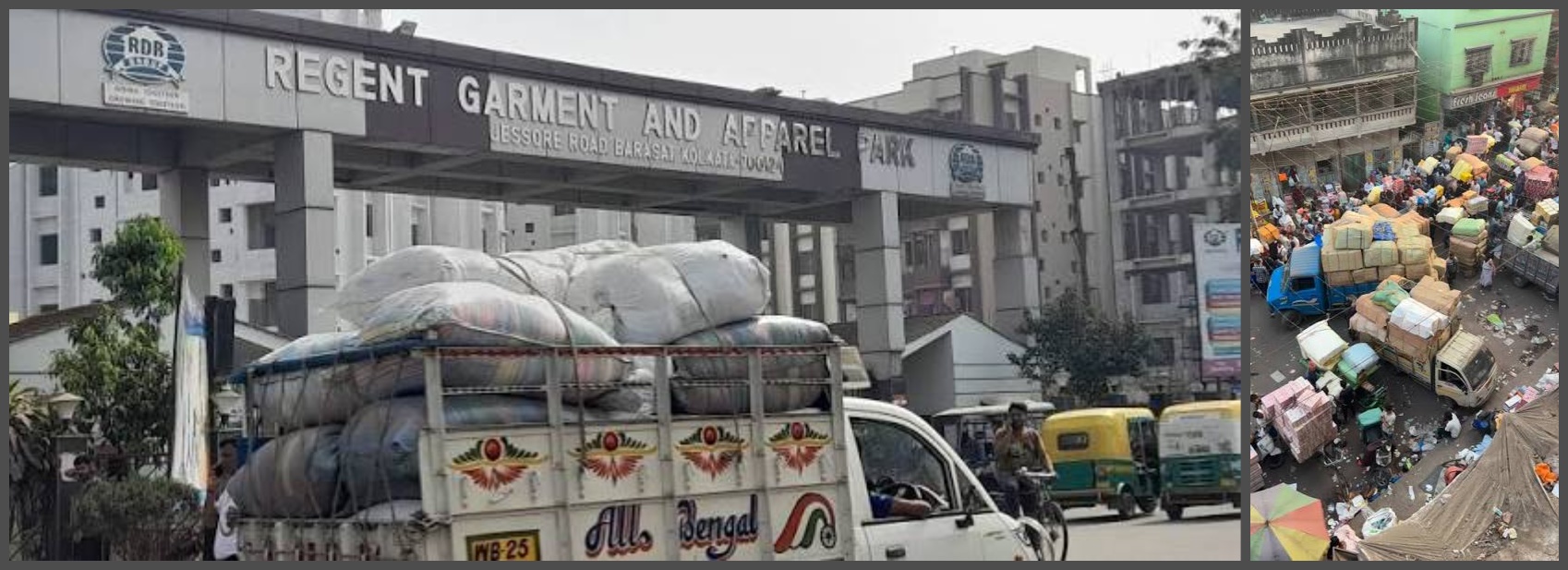
The Regent Garment and Apparel Park at Barasat (left), and the garment hub at Metiabruz (right)
On the other hand, the crisis in Bangladesh’s garment industry could be an opportunity for India if the two governments could harness an export promotion mechanism that links the Bangladesh economic zones and border haats with ports in West Bengal, including the Kolkata port.
When governments actively engage business stakeholders, local community leaders, and the general public, the resulting economic interdependence can significantly reduce both sides’ reliance on rigid Track-I diplomacy.
Such an inclusive approach ensures that bilateral stability is anchored directly in the shared economic prosperity and social welfare of the people themselves, effectively insulating cross-border cooperation from sharp geopolitical swings.
This would help the border communities in both countries with their economic upliftment. These kinds of initiatives not only create natural surveillance at the borders but also enable the transition of informal economies into regulated frameworks, so that border communities benefit and the governments generate revenue.
Furthermore, it reduces the hatred between the border communities of both sides. It is noteworthy that, after 2024 in Bangladesh, most of the criticism was that India invested its diplomatic time in the government rather than in the people. Through cross-border commerce via the West Bengal corridors, the Indian government could keep its doors open for engagement with the people of Bangladesh.
Moreover, to minimise border risks, India’s use of land east of the border fence, referred to as the “no-man's land” or the area between the fence and the actual International Border, for medical and commercial hubs is a proactive strategy to address multiple issues simultaneously.
Establishing permanent, functioning medical and commercial infrastructure in these zones creates a legally regulated revenue stream and also acts as a physical deterrent, slowing encroachment and illegal infiltration, and transforming what was once “dead space” into a secure economic asset.
By adopting a “fortress economy” model at the border, India can protect its interests, generate foreign exchange, and reduce the risk of a more hostile or unpredictable Dhaka administration.
The leather industry in West Bengal, on the other hand, is apprehensive about a raw material shortage as the state government’s strict enforcement of animal slaughter regulations is set to disrupt supplies of cow and buffalo hides. The Suvendu Adhikari government could consider an alternative way to regain its position in the leather industry.
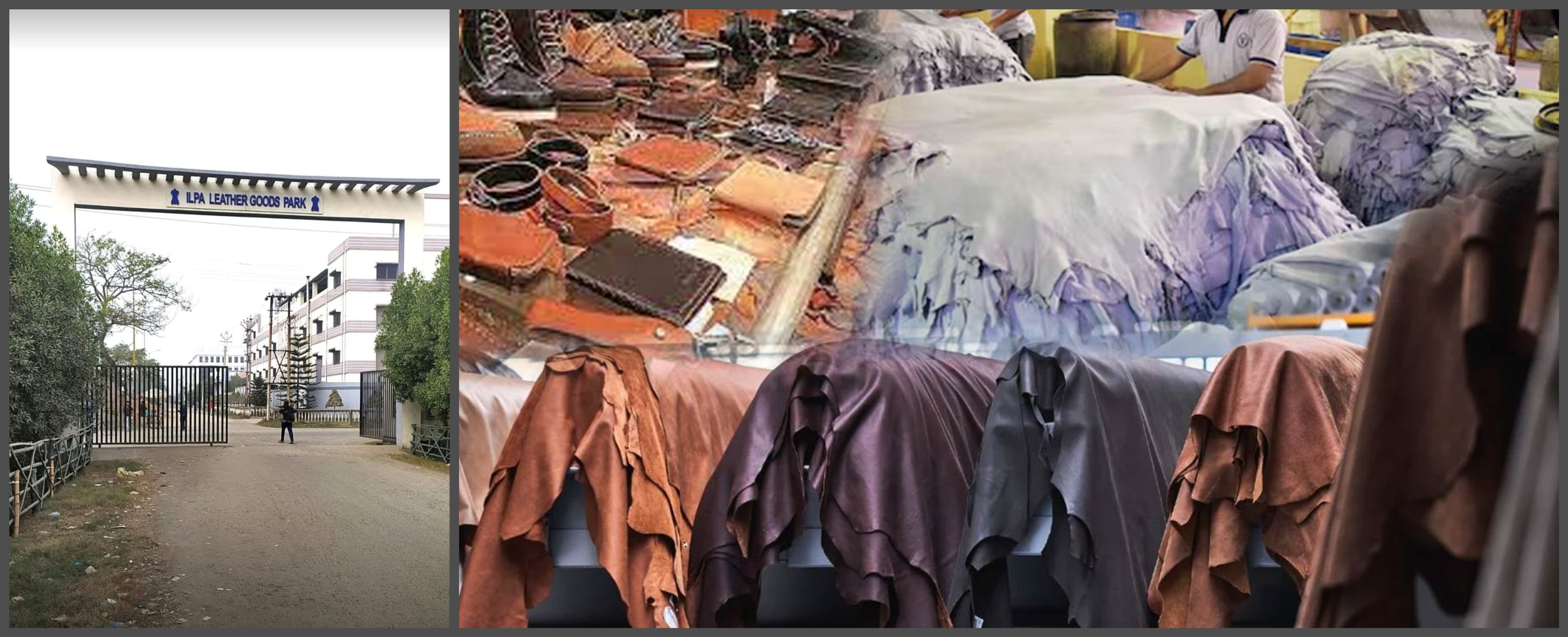
The Kolkata Leather Complex at Karaidanga near East Kolkata (left), and a leather unit (right)
It is noteworthy that cow smuggling is one of the major areas of illegal trade between India and Bangladesh. These unnoticed transfers not only affect economic activity but also produce anti-Indian sentiment among businessmen when they do not receive the expected amount due to Indian cows in Bangladeshi Markets.
With Malda and Murshidabad being considered the main routes for cow smuggling, West Bengal can enable the development of a legitimate cattle industry in these towns. If the government establishes slaughterhouses and dairy production along the Malda-Murshidabad border, that would not only be a barrier against smuggling but also empower the local economy.
Besides boosting beef exports, the government could also promote the leather sector, both of which could access the Southeast Asian and other global markets through the Kolkata port.
A gateway to the Bay of Bengal
West Bengal stands at a decisive moment in its economic and maritime history. The revival of Kolkata port, supported by new investments in maritime infrastructure, inland waterways, water metro services, and port-led industrial development, offers the state an opportunity to reconnect with its historical role as a major commercial gateway in eastern India.
However, reclaiming this legacy requires more than symbolic announcements; it demands sustained industrial policy, improved logistics, private investment, and stronger regional connectivity across the Bay of Bengal.
By linking maritime growth with textiles, leather, cattle-based industries, border trade, tourism, and local enterprise, West Bengal can create new revenue streams while addressing unemployment, migration, and border vulnerabilities.
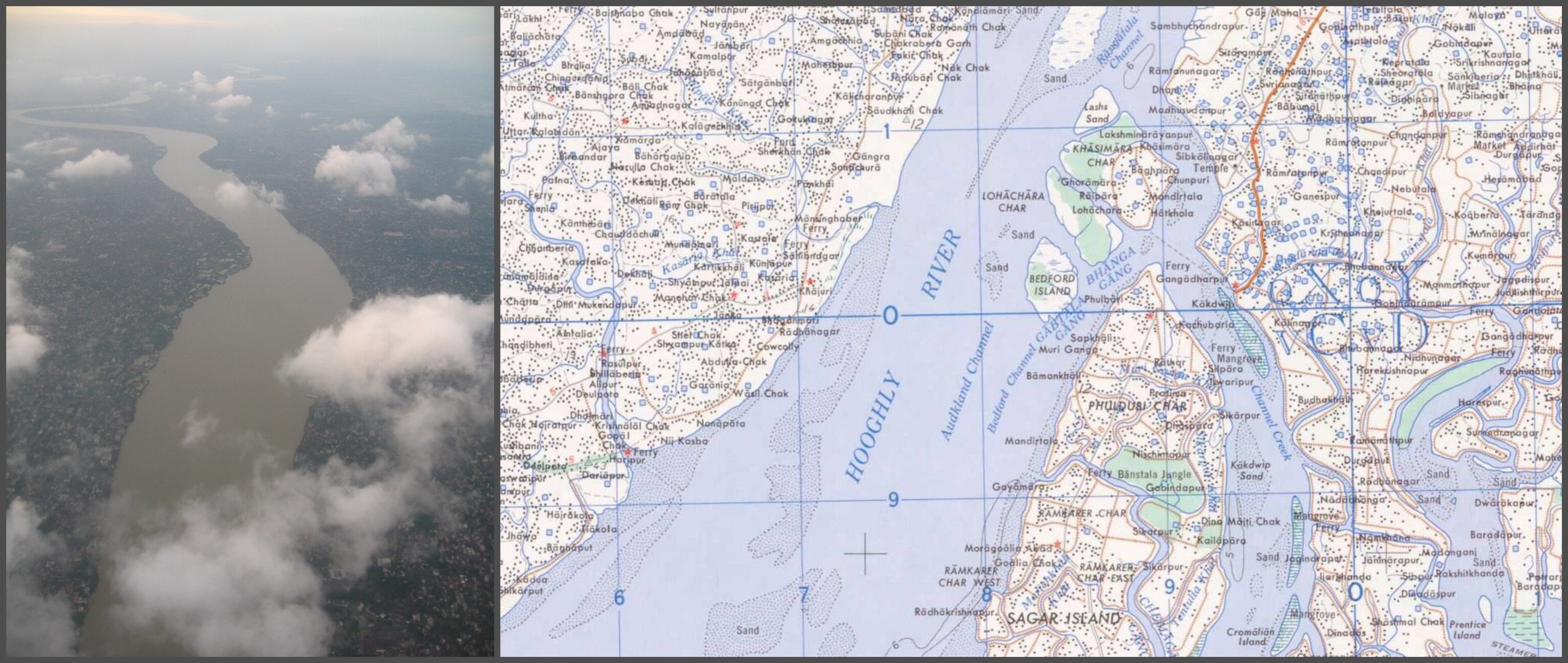
An aerial view of the Hooghly flowing through Bally (left); photo credit - Greg O'Beirne, and a US Army map of the Hooghly River delta showing the Sagar Island (right)
If the state can combine economic ambition with strategic planning and people-centric cross-border engagement, Kolkata may once again emerge as a key hub connecting India with Bangladesh, Southeast Asia, and the wider Indo-Pacific region.
The promise for West Bengal starts at Sagar Point, as the gateway to the Bay of Bengal, and flows upstream through the littorals of the Hooghly River all the way up to the Kolkata port and beyond. Whether and how the new government in Kolkata harnesses these opportunities for an economic turnaround, with inherent diplomatic spinoffs, has to be seen in the coming months.
(Views expressed in this report are the author's own.)
Follow us on WhatsApp
Follow us on Facebook
Follow us on X @vudmedia
Follow us on Substack


