
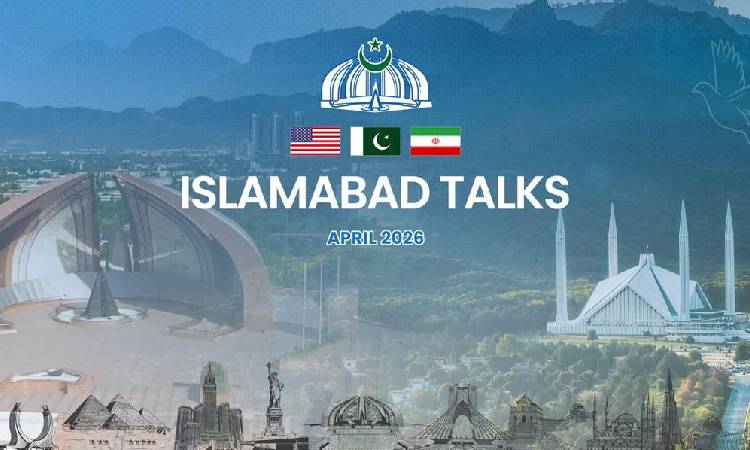
The world heaved a sigh of relief when the conflicting parties in the Middle East – the US and Iran – met at an unlikely venue, Islamabad, to explore ways to end the conflict and facilitate lasting peace in the region. Though an ‘agreement’ evaded their confabulations, it was evident that both sides sought to prolong the ‘provisional’ ceasefire to an irreversible and consequential arrangement that would stabilise the global oil markets and restore some semblance of peace and stability to the Middle East. While the next round of talks might be impending, even if unpredictable, lining up as potential ‘peace-brokers’ is a group of regional actors who see in the geopolitical transition an imminent withdrawal of the great powers, therein providing them with the onus and opportunity to shape the geopolitical architecture in the region, says Professor Swaran Singh in the 21st edition of Asia Watch.
Russian President Vladimir Putin's offer on Sunday to mediate in the Middle East crisis has changed the debate on what transpired in the US-Iran talks in Islamabad and whether the talks could be termed as a complete failure.
That this call from President Putin came just hours after US President Donald Trump ordered the US Navy to immediately begin blockading the Strait of Hormuz made it even more intriguing.
This is the first time that a major power has formally proposed to mediate in this conflict, though China has already been credited, by no less than President Trump himself, for nudging Iran to move from defiance to engagement with the United States.
When the delegations from the United States and Iran converged in Islamabad, expectations had oscillated wildly between cautious optimism and hardened scepticism. The backdrop was combustible: an escalating US-Israel-Iran crisis igniting targeted assassinations, retaliatory strikes on the civilian populace, government buildings and critical energy infrastructure.
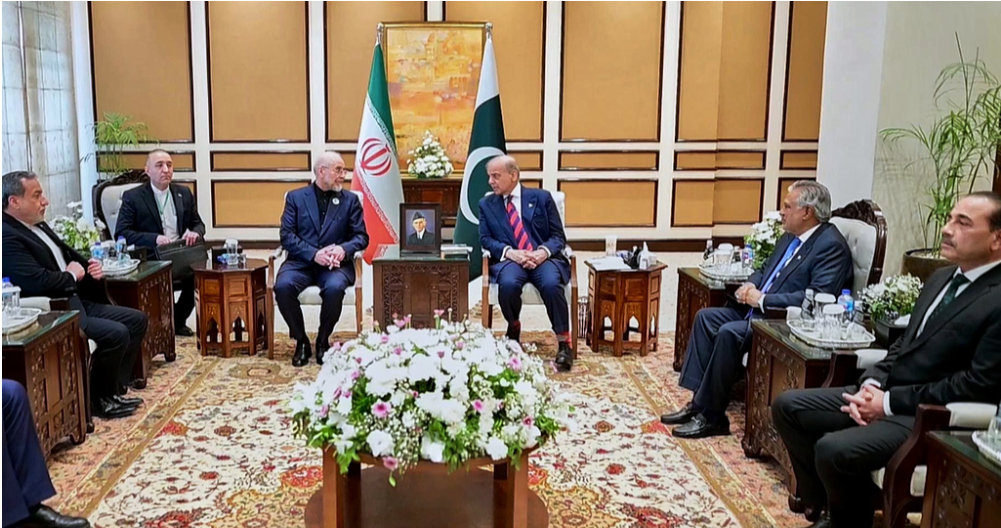
The Iranian delegation, led by Parliament Speaker Mohammad Baqer Qalibaf and Foreign Minister Abbas Araghchi in conversation with Pakistan Prime Minister Shehbaz Sharif in Islamabad. Pakistan's Army Chief Field Marshal Munir is on the right
The Iranian response at a regional scale mounted global anxieties, oil shortages and price hikes. Yet, the very fact that adversaries finally managed to sit face-to-face across the table marked a diplomatic inflection point with some promise.
The two-week ceasefire, however, remains fragile and vulnerable to disruptions, some of which have already started. With parallel threats continuing from both sides, this hurriedly hammered ceasefire seems more like a tactical de-escalation with a limited bandwidth.
It, for instance, does not include Israel, which continues to pound Lebanon. However, in these multi-layered West Asian geopolitics, even a pause can be profound. Till the delegations finally held marathon 21-hour talks in Islamabad, experts were anticipating either a clear collapse or a minimalist outcome.
Now, with each day passing, these talks continue to be seen as less than a breakthrough, yet more than a breakdown.
What its likely future trajectories are is now catching the attention of media commentaries.
Expectations vs outcomes
To explore their future trajectories, let us begin by first elucidating what transpired in their Islamabad talks and what was achieved, if anything.
Assessments of these talks depend primarily on expectations pronounced by observers. Indeed, a wide disconnect between expectations and outcomes was also created by constantly changing goal posts and both sides being deeply entrenched in differing perspectives.
Before leaving Islamabad, the US Vice President J D Vance, asserted that while the talks were substantive, they failed to fructify their core expectations. This is because their fault lines are far more complex and strategies are superficial.
1. No structured roadmap: Analysts had predicted at least a skeletal framework for sustained engagement. Instead, the one-upmanship driven talk yielded no formal roadmap, no timelines for future negotiations, and no agreed agenda beyond indirect indications of a commitment to ceasefire maintenance.
2. Nuclear weapons: With the Strait of Hormuz taking centre-stage, the nuclear issue remained largely unaddressed until J D Vance’s press briefing, before returning home, saw him call it the “core goal” for President Trump. This omission, as also their claims and counterclaims on most issues, revealed a weak diplomatic baseline that was set for the talks.
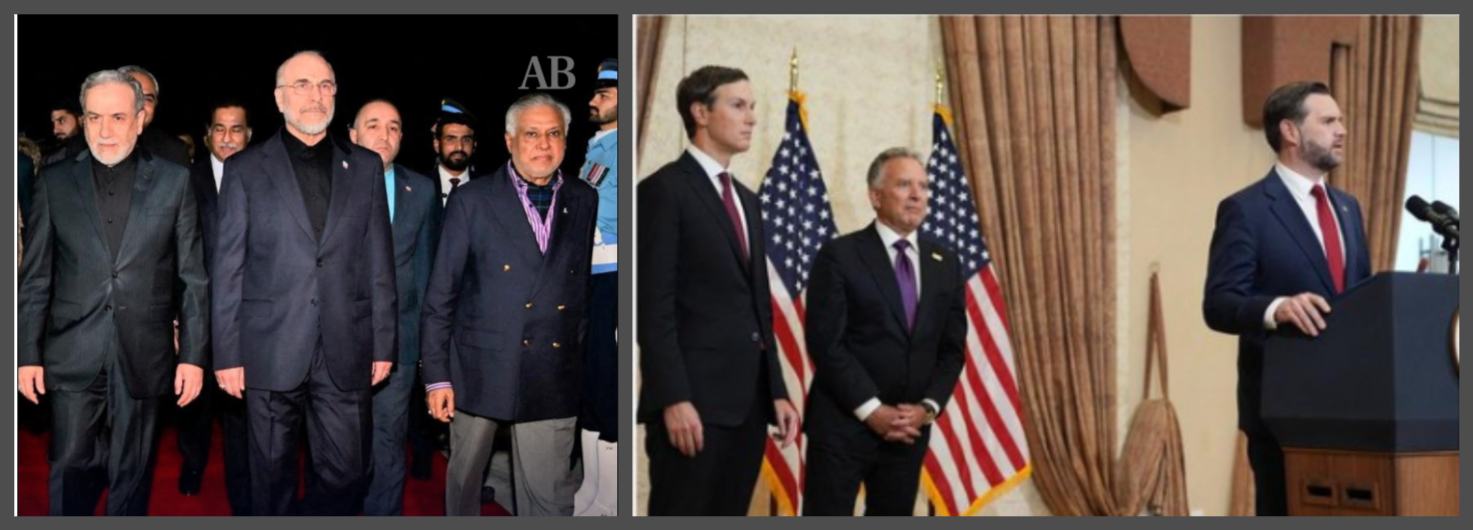
The Iranian delegation on arrival in Islamabad (left); photo source - Arabian Business, and US Vice President J D Vance addresses the media in the company of special envoy Steve Witkoff and Jared Kushner
3. Asymmetry in concessions: Washington sought de-escalation without appearing conciliatory; Tehran demanded recognition of its deterrence posture without formal commitments. The result? A ceasefire without reciprocity mechanisms leaves both sides politically exposed and underwhelmed.
No doubt, as a premature mediator, Islamabad underdelivered on structure, substance, and symmetry for these negotiations. Yet, to dismiss the Islamabad talks as a failure would be analytically lazy. In several respects, the talks also exceeded expectations:
1. Direct engagement channels restored: Several mediating nations had kept backchannels alive; yet it was Pakistan that managed to elevate its contacts into a semi-formal, face-to-face engagement — a significant psychological shift after years of hostility. This was the first US-Iran parleys since 1979 and reminded of Islamabad having facilitated then American Secretary of State, Henry Kissinger’s Beijing visit in 1971.
2. Crisis containment achieved: The immediate objective — preventing escalation into a regional war and holding on with the ceasefire — has so far been met, though with possibilities of a breach looming large. Result? The oil markets have stabilised, proxy militias recalibrated, and regional actors paused escalation, except that Israel and Hezbollah continue to fight.
3. Pakistan’s diplomatic reinvention: For Pakistan itself, these talks have briefly reinforced its strategic connection with the Middle East. Islamabad presented itself as a peacemaker, leveraging its newfound friendship with Washington, Riyadh, and its historic and religious ties with Tehran, though currently Pakistan-Iran also face a trust deficit. But Pakistan now sees itself as a swing diplomatic node in increasingly complex West Asian geopolitics.
4. Ceasefire compliance: Compared to the October 2025 ceasefire in Gaza, which had seen over 1,100 Palestinians dead since then, the initial compliance of the US-Iran ceasefire should rate it much better and even enduring. Satellite imagery, open-source intelligence, and military signalling indicate restraint — an outcome few had confidently predicted.
Reading their parting shots
Diplomacy often reveals more in its silences than in its statements. Nevertheless, the closing statements from both sides were telling and became an exciting subject of interpretations and assessments about the likely future trajectories of the US-Iran talks.
From Washington, President Trump called the ceasefire “double-sided” and subject to “complete reopening” of the Strait of Hormuz — a language that signals preconditions, scepticism, and coercive leverage. Tehran, by contrast, spoke of “dignity” and “deterrence,” framing the ceasefire not as a concession but as a strategic equilibrium.
Interestingly, neither side used the word “agreement.” Both sides have conveyed a lack of trust and used the word “understanding” in their conversations. However, their semantic convergence also suggests a shared recognition: that their ceasefire is provisional, reversible, and yet instrumental and potentially even consequential.
Do these parting shots lend credence to the prognosis that their ceasefire is likely to hold beyond two weeks? More importantly, do they encourage optimism that their talks may evolve even further to more rounds to fructify their peacemaking?
The following three indicators allude to certain cautious optimism:
1. Military posture adjustments: Neither side has yet resumed military strikes or accused the other side of violating the ceasefire, though it can happen anytime. Naval deployments in the Persian Gulf remain steady, with Trump’s blockading of the Strait of Hormuz likely to be slippery. Like before, his call for allies to join his blockade has not been responded. As yet, both the US and Iran indicate their intent to sustain this fragile ceasefire even though it is no more than a tactical pause.
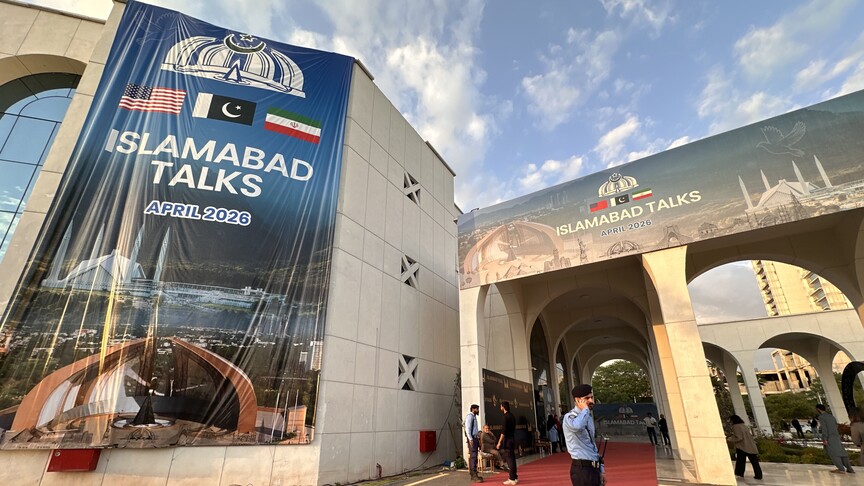
Pakistan security forces guard the venue of the Islamabad talks; photo source - Anadolu Ajansi
2. Domestic signalling: Both American and Iranian leaderships have also framed their ceasefire in terms of their strength, not compromise, which is critical for extending it without facing political backlash. President Trump repeatedly announced having exceeded his military aims. Trump also claimed that following their parleys in Islamabad, American warships have sailed through the Strait of Hormuz, which was refuted by Tehran.
3. Mediator momentum: Third-party actors will ensure continuity, suggesting that the ceasefire will not be an endpoint but could act as a bridge to further US-Iran talks. The Israel-Lebanon talks are already announced to take place in Washington this week, though Hezbollah has rejected these talks.
The role of China has also come to light both as a provider of defence equipment to Iran and as one that nudged Tehran from defiance to engagement with the US. Most importantly, President Putin has also offered to mediate in this crisis.
However, risks remain acute and present. A single miscalculation — whether by involved states or their proxies — could unravel the fragile calm, which calls for a cautious crystal gazing into its likely future trajectories.
The geography of future talks
It is not clear if Islamabad would host the next round of US-Iran talks. Several other mediators, which were also engaged in the backdrop of Islamabad talks and also contributed to Islamabad becoming the host for the first round of talks, could also be the alternative venues that are now being actively contemplated.
Oman, for instance, has historically been the most trusted by both sides; Muscat’s quiet diplomacy is unmatched. Likewise, Qatar, with its established mediation infrastructure, track record, and ties to Washington, also presents strong claims.
Turkey, on the other hand, straddling both NATO and BRICS — where they regularly rub shoulders with the US and Iran respectively — has already played a peacemaker role in the Ukraine war. Istanbul aspires to elevate its regional diplomatic profile as well by hosting future US-Iran talks.
China, though not traditionally seen as an interlocutor for West Asia, has become increasingly assertive as a peace broker, especially after its Saudi-Iran rapprochement success. Its proximity to Tehran and in view of President Trump’s coming visit to Beijing, it could also claim to host the next such US-Iran meeting.
The other strategically-interesting options may also include India and Egypt — both capable but constrained by geopolitical optics. Despite having good relations across West Asia — reflected in India being a founding member of the United States’ I2U2 Quad and having launched the IMEC (India-Middle East-Europe Economic Corridor) in 2023 — India’s recent equations with the US have guided its restraint, by keeping its diplomacy less formal and flamboyant.
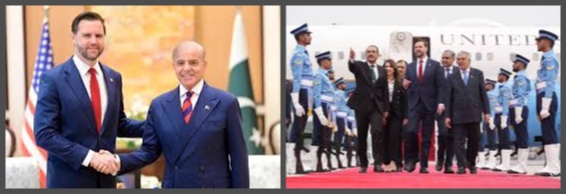
US Vice President J D Vance with PM Shehbaz Sharif (left), and being received by Field Marshal Munir at the Islamabad airport (right)
The next venue of US-Iran talks surely matters as it will showcase who controls the diplomatic narratives. Indeed, the post-Islamabad phase is likely to trigger a subtle competition among the above-mentioned mediators.
Again, Oman is likely to leverage its legacy credibility and quietly reactivate its time-tested backchannels. Similarly, Qatar, fresh from its role in the Gaza ceasefire, could offer its logistical and diplomatic infrastructure, positioning itself as indispensable.
China will be driven by its dependence on oil and gas, as well as its trade and investments. Beijing may wish to frame itself as a systemic stabiliser, contrasting American coercive diplomacy in this region. Turkey has also been seeking relevance through proactive engagement, besides being driven by its Kurdish problem that remains intertwined with the US-Iran conflict.
India, which has so far maintained a studied silence, also has its stakes — energy security, diaspora safety and reputation — all playing significant roles in pushing it into proactive involvement. Bahrain and Egypt are expected to play a secondary but supportive role in future trajectories of US-Iran talks as well.
However, this multiplicity of mediators can be both an asset and a risk. While it broadens diplomatic avenues and creates a spectrum of optics and options, it also risks fragmentation, forum shopping, and even grandstanding in some cases.
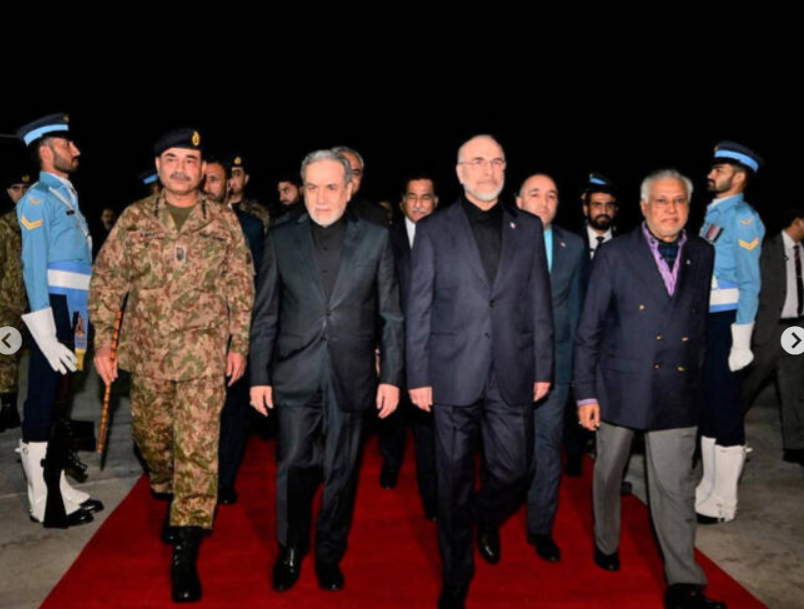
The Iranian delegation is being received at the airport by Field Marshal Munir and other Pakistan officials; photo source - MenaFN
The strategic subtext: What lies beneath
Beneath the surface, these talks have also witnessed deeper dynamics at play. The United States seeks to balance deterrence with disengagement and is wary of another protracted Middle Eastern entanglement. This could be a pivotal reason why Iran has sought to leverage brinkmanship in order to secure a strategic space, amid sanctions, isolation and military strikes.
Meanwhile, most of the regional actors have preferred hedging, not aligning — revealing a fragile multipolar West Asia in the making. Islamabad, therefore, is not an isolated event — it is a node in a larger geopolitical transition where great powers are feeling restrained and have left the onus of initiatives to regional stakeholders, which are muddling through, hurtling and exploring various strategic possibilities.
The most realistic future trajectory for the next round of US-Iran talks, therefore, is not going to be stable peace, but managed rivalry. More specifically, for the future of US-Iran talks, the coming weeks may bring some of the following possibilities:
• Ceasefire extension: Likely, but incremental — perhaps renewed in short intervals to maintain leverage.
• Follow-up talks: Almost certain, though possibly in different venues and formats; possible to be held in or initiated by Moscow.
• Issue fragmentation: Future talks may separate military de-escalation from nuclear discussions, rather than tackling both simultaneously.
• Proxy calibration: Both sides will attempt to control, but not eliminate, proxy activities.
The path ahead, therefore, is more likely to be iterative, not transformative. Even this is optimistic, given President Trump’s unpredictability.
Diplomacy in the age of uncertainty
Islamabad surely did not rewrite the script of US–Iran relations. It just ensured a foot-in-the-door for major stakeholders of peace in the Middle East to persist.
The interest shown by President Vladimir Putin to mediate evinces this thesis that the Islamabad talks has created some, if limited, momentum for others to step in. This could become President Putin’s opportunity to showcase commitment to an ally (Iran) or to reclaim its space in the Middle East geopolitics.
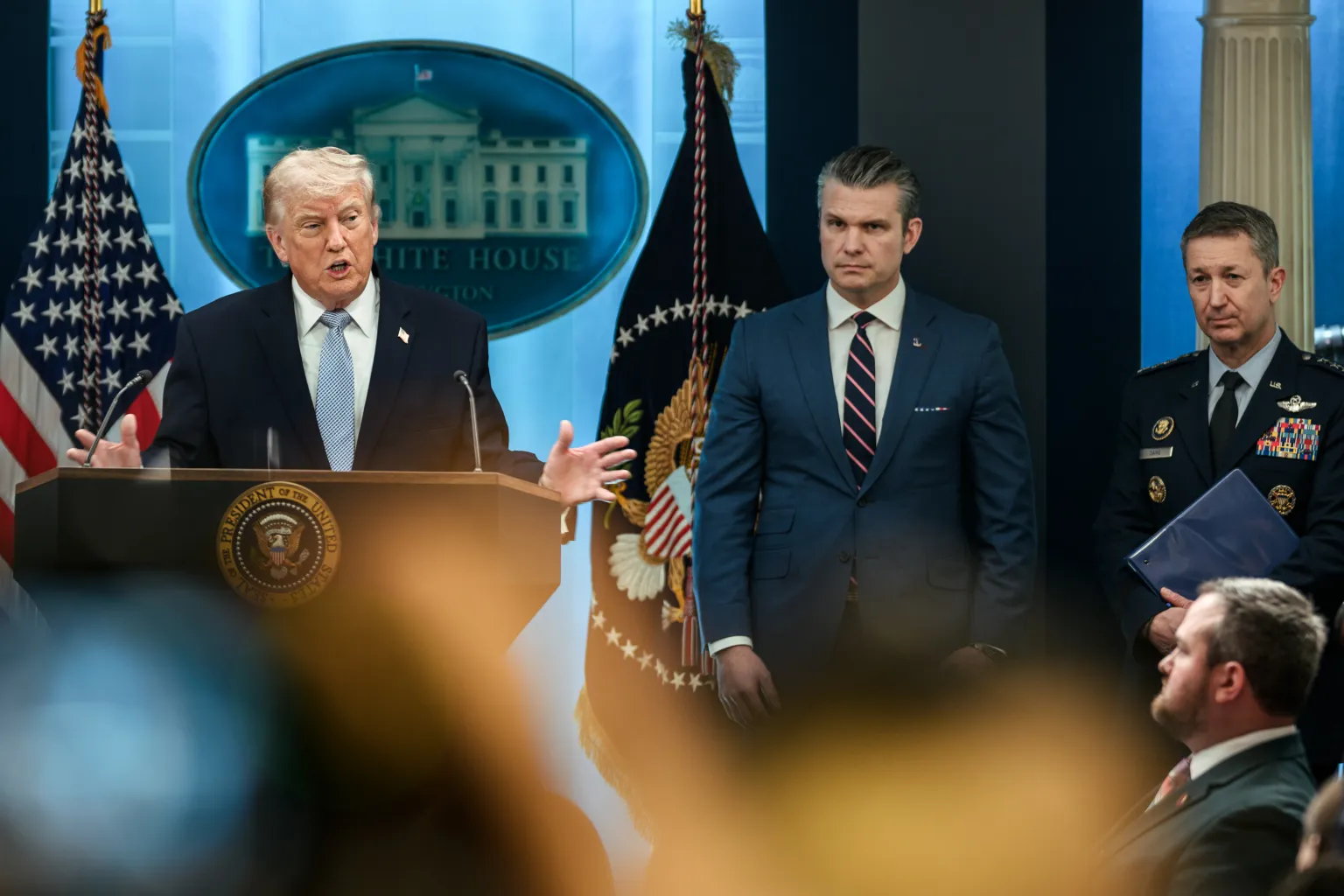
US President Donald Trump addresses the media at the White House, with Secretary of War Pete Hegeseth by his side
Hence, if not rewriting history, the Islamabad talks did something arguably useful — keep the script from collapsing. In an era where crises escalate faster than diplomacy can respond, even sustaining a fragile ceasefire for a few days can be a strategic asset.
Yet, can this temporary restraint evolve into sustained engagement? Or will the Islamabad talks be remembered as just another of the pauses, before the next spiral and precipice?
For now, the answer lies not in declarations, but in persuasions of contending parties — in the quiet, incremental, often invisible work of diplomacy. And, in West Asia, that is where the real story always unfolds.
Follow us on WhatsApp
Follow us on Facebook
Follow us on X @vudmedia
Follow us on Substack
