
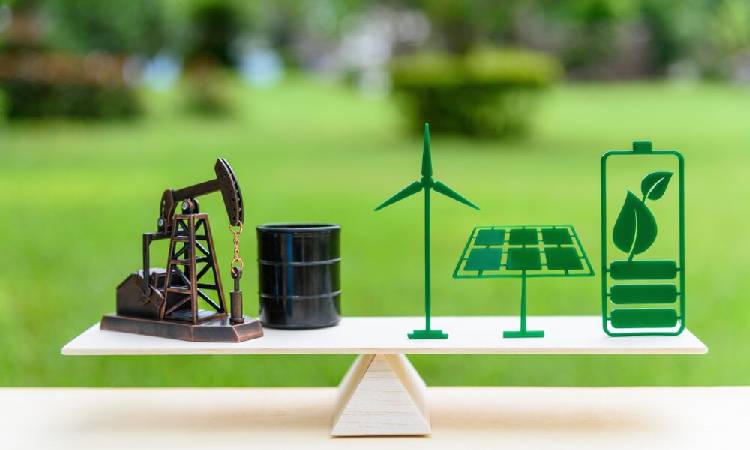
Fossil fuel subsidies in developing economies must be understood not merely as market distortions but as essential instruments of distributive justice that protect vulnerable populations from economic shocks. Calls for their rapid removal often overlook the structural constraints, developmental priorities and social stability concerns that shape energy policy in the Global South. A just energy transition cannot rely on a unidirectional withdrawal of conventional fuel support without first ensuring the affordability, accessibility and productive resilience of renewable alternatives. Sustainable transition pathways must therefore combine gradual subsidy reform with parallel investments in clean energy, while recognising that premature price shocks risk deepening inequality, disrupting livelihoods and triggering social unrest.
Text page image courtesy: EnergyIntel.com
Banner image: The Gansu Guazhou wind turbine farm in China
With the rapidly deteriorating ecological balance, anthropogenic activities incorporating a heavy reliance on fossil fuels have come under great scrutiny across the globe.
Fossil fuel usage is noted to be the largest contributor to global greenhouse gas emissions, accounting for nearly 68 per cent of the total. Therefore, various segments of international development, often spearheaded by representatives of the Global South, have emphasised the urgent need for an equitable, efficient transition to renewable energy infrastructure.
This is particularly so as the adverse externalities of conventional fuel-led growth penalise the developing world far more severely than they do to the Global North, despite the major consumers of fossil fuels belonging to the latter.
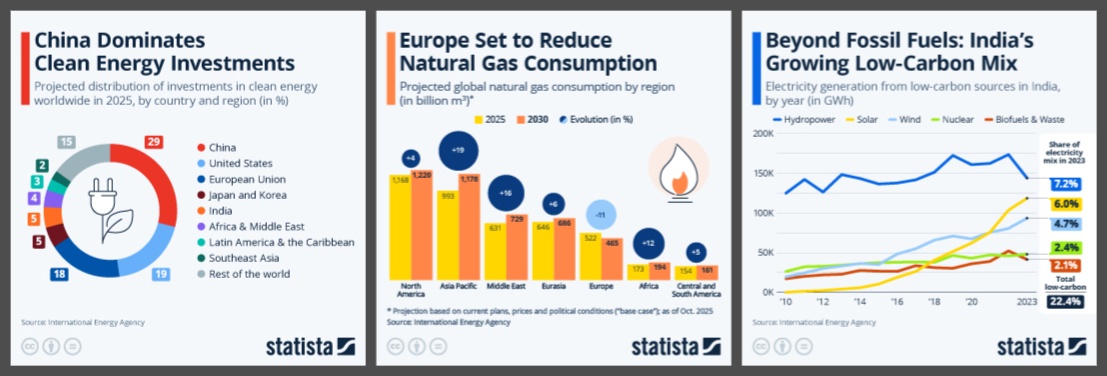
Apart from the manufacturing of renewable energy equipment and augmentation of clean energy’s installed domestic capacity, in the context of which China and India are performing well, respectively, there has been a strong focus within the international development discourse to gradually minimise the affordability of fossil fuels to disincentivise their usage by industries across different stages of the supply chain.
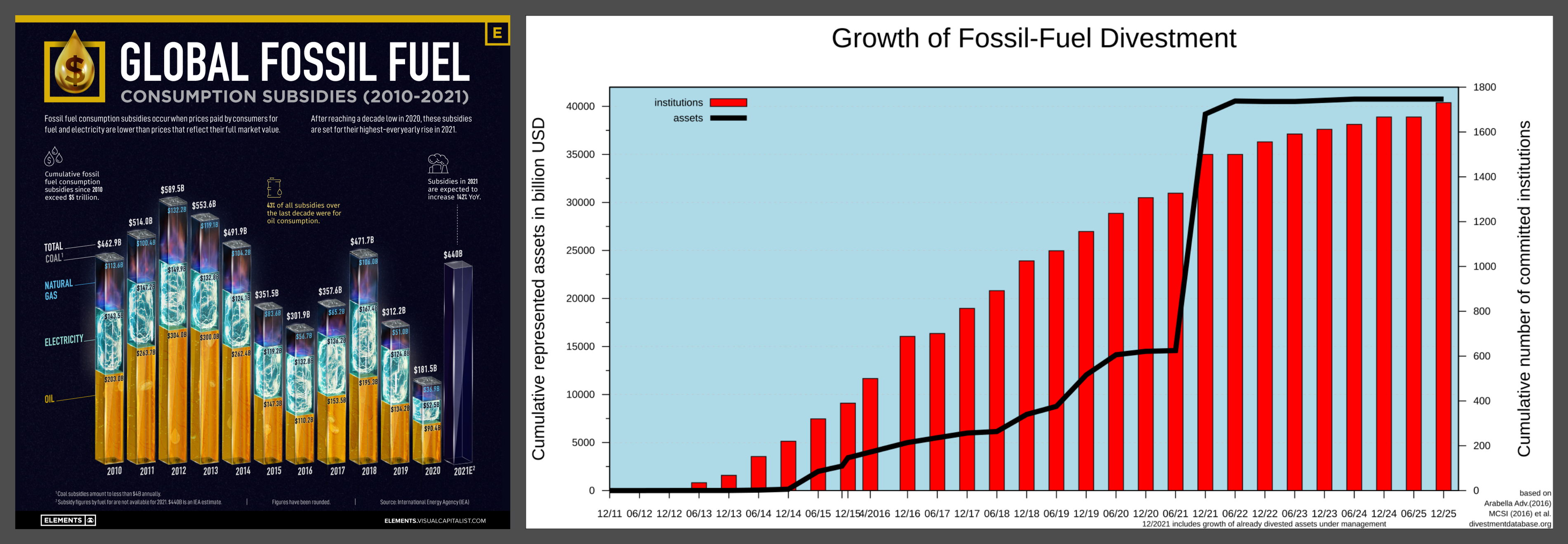
Fossil fuels are rendered cost-effective through an elaborate mechanism of subsidies provided by respective national governments to lower the price of the fuel incurred by the producers or suppliers.
Even though many such subsidies are provided at the federal level, some at provincial levels also seek to mitigate the economic burden of fossil fuel usage, sometimes being offered directly to the consumers instead of the suppliers. One such example is the Jharkhand state government’s petrol subsidy offered to economically disadvantaged owners of two-wheelers.
Even though the necessity of reducing fossil fuel subsidies is well-acknowledged by many developing economies of the G20, one important insight which often goes missing in the international development discourse is the multi-layered nature of sustainable transition policy.
Most developing nations tend to prioritise such policies for evidently practical reasons, instead of pushing for a unidirectional strategy, which chooses only to reinvest public revenue in renewable energy infrastructure while removing fossil fuel subsidies.
In fact, complex problems such as clean energy transition are bound to be solved only with a robust policy package that complements existing conventional fuel subsidies with avenues to access additional fiscal resources to simultaneously invest in renewable energy.
Instead of engaging in the latter at the cost of the former, such a combined effort is essential, especially as a temporary phase until the productive capacity and resilience of clean energy infrastructure are ensured down to the granular, rural level.
A reductionist conceptualisation of ‘distributive justice’
However, recommendatory and analytical reports produced by the United Nations Development Programme, the World Trade Organisation and the International Monetary Fund have pointedly focused on this issue, advocating for a reinvestment of freed-up revenue into ‘more optimal’ spaces such as the social development sector and renewable energy industrialisation.
Stemming from this argument is the notion that globally observed civil unrest arising from the economic burden created by the reduction of fossil fuel subsidies can be effectively quelled if strong policy mechanisms of distributive justice are efficiently institutionalised much prior to the subsidy reform initiatives taking root.
Some parameters of the aforementioned concept of distributive justice entail but are restricted to the following: a more equitable distribution of resources such as food, water, capital, social services such as healthcare, education and greater political consideration of human rights.
However, a closer examination suggests that distributive justice alone cannot explain the mitigation of social unrest following fossil fuel subsidy cuts, particularly when subsidies meant to protect low-income groups are themselves excluded from the framework of distributive justice.
It is, therefore, paramount to acknowledge that, firstly, state intervention for price control of conventional fuel is in itself a distributive justice measure which aforementioned development agencies have failed to account for.
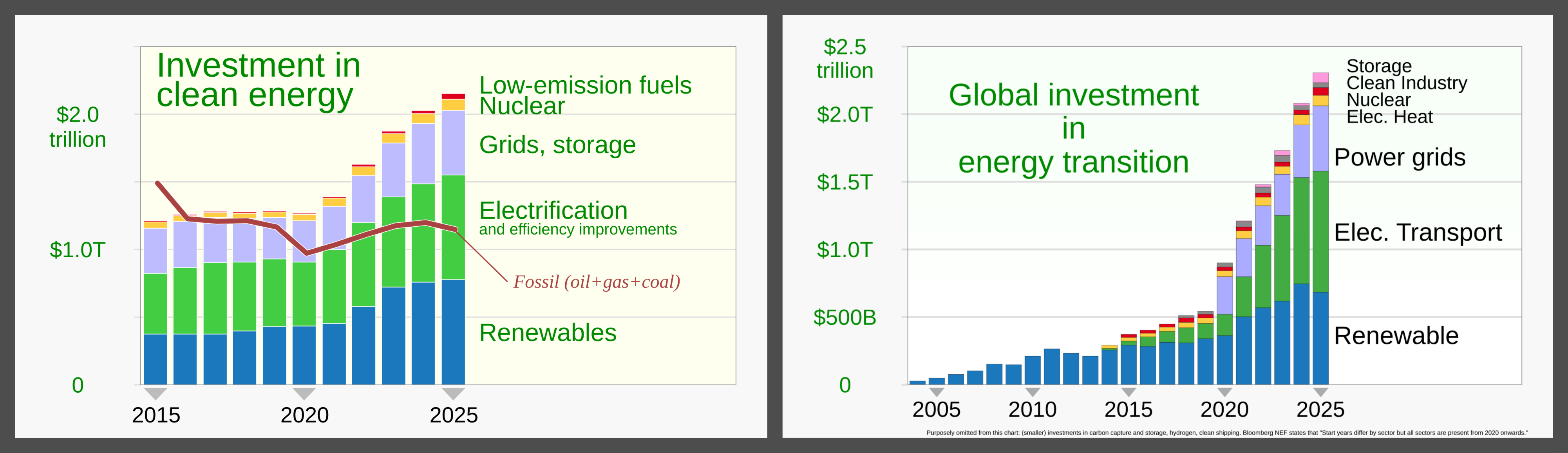
Table by R Craig
Secondly, even if distributive justice is narrowly defined to exclude conventional energy subsidies, its presence alone does not prevent social unrest arising from fossil fuel subsidy reductions.
A general rule for all scholars and policymakers to note is that developing nations of the Global South cannot undergo a radical systemic overhaul within a short span of time.
To assume that they should reduce fossil fuel subsidies and utilise the freed-up public revenue to invest in essential social services such as education, healthcare, housing and renewable energy infrastructure to quell social unrest is a highly faulty assumption.
Such heavy public investment requires a considerable amount of time due to the coordinated institutional effort, resource mobilisation and continuous policy adaptation to meet dynamic challenges emerging throughout such initiative. Additionally, it necessitates an even greater amount of time to yield returns from the same.
Therefore, it is academically disingenuous to argue that fossil fuel subsidies should be reduced even before such distributive measures start yielding substantive socioeconomic returns and render the considerably low-income consumers and middle-income producers, as observed in Nigeria, Egypt and Myanmar, vulnerable to severe economic shocks arising from rising fuel prices.
This endangers not only the livelihoods of millions but also their basic ability to access existing social services, as it discounts several other policy mechanisms which can be utilised for improving the quality and access of distributive justice measures, such as dividends from public sector enterprises, export-magnifying production priorities, higher taxation on select economic activities and non-essential luxury commodities.
Causing severe economic detriment to already disadvantaged populations by increasing fuel prices will preclude efficient, gradual investment in renewable energy.
Consumers would be reluctant to adopt it due to the renewable energy infrastructure’s high upfront costs. This would disrupt other distributive policy measures, as the efficacy of key industrial sectors and the transportation system would be highly compromised.
Therefore, in developing nations, fossil fuel subsidy provision in itself operates as a substantial distributive justice mechanism, regulating prices across the supply chain and protecting a large demographic against severe economic deprivation.
However, one critical dimension often overlooked in the global energy transition debate is the question of social stability. Evidence from several countries shows that abrupt fossil fuel subsidy reductions frequently trigger widespread protests, disrupt livelihoods and create political resistance to climate policy itself.
This makes the management of social unrest a central challenge of energy transition policy in developing economies.
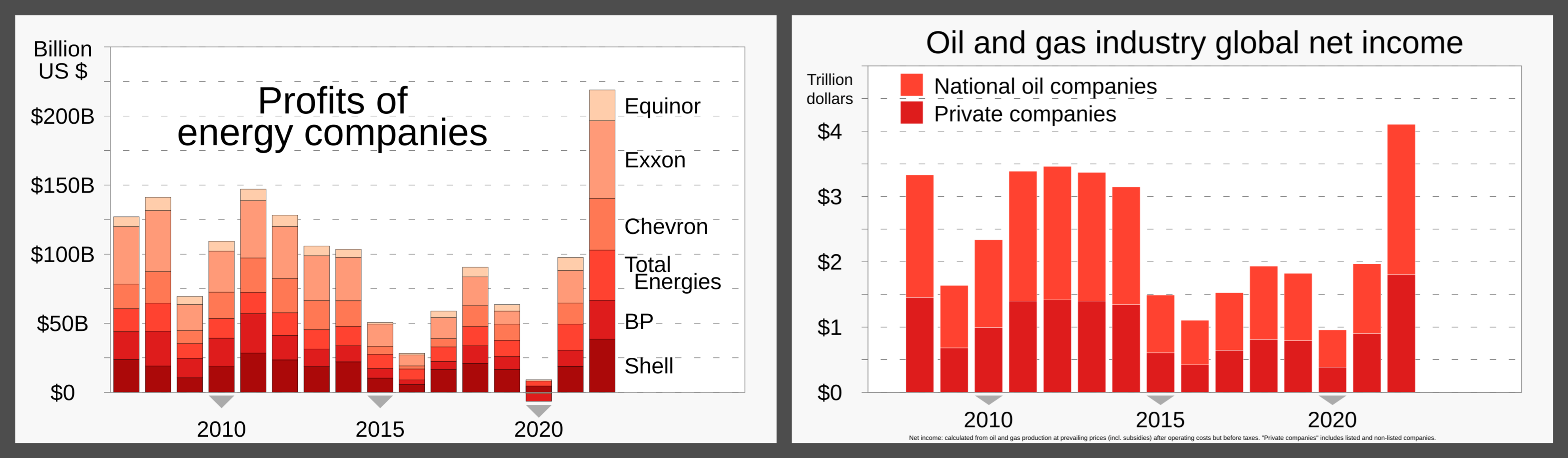 Table by R Craig
Evidence inconsistent with the Western policy push
Even the presence of such restrictive distributive justice measures, which exclude fossil fuel subsidies, does not guarantee protection from social unrest in the case of subsidy reduction.
The ‘Equal Distribution of Resources Index’ from the V-Dem ‘Varieties of Democracy’ dataset highlights countries with varying levels of inequality regarding resource distribution, with Global North countries such as Germany, Sweden, Spain and Italy occupying some of the highest scores attained throughout the past five years at least, ranging from 0.8 to 0.95 out of a maximum score of 1.
However, despite such equitable distribution of resources, it is important to observe that all the aforementioned countries have experienced widespread social unrest from populations involved in multiple sectors such as agriculture, oil provision and related industries.
Italy witnessed 200 protests in just the first eight months of 2022, while Spanish protestors undertook 335 different rallies in the same year, all due to rising fuel prices arising from subsidy reductions.
Sweden’s ‘fuel uprising’ has not only organised multiple nationwide protests throughout the years but also often utilises social media platforms such as Facebook to mobilise a large dissenting demographic, of which the numbers are more than half a million.
Germany experienced severe protests – blocking roads and motorways in 2024 – by agricultural workers, while the three major gas station-operator unions of Italy initiated a nationwide strike in 2023 against speculative fuel price hikes, which take place due to the absence of government subsidies and regulation, causing a downturn in economic productivity.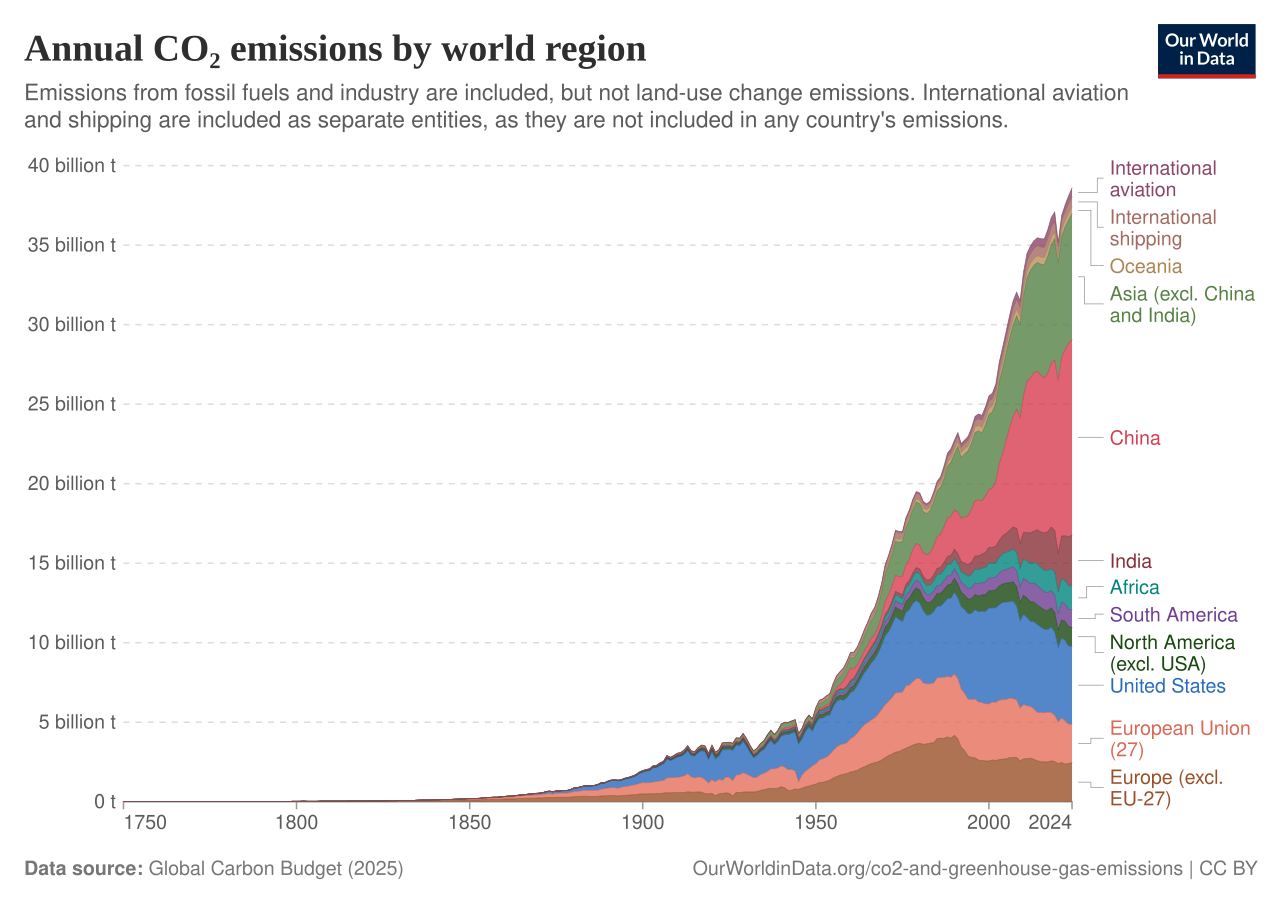 Table by Hannah Ritchie and Max Roser
Therefore, restrictive distributive justice mechanisms cannot ameliorate social unrest against fossil fuel subsidy reductions even in the Global North. Thus, having such impossible standards for the developing nations is unjustifiable.
What is even more perplexing is that despite the vast prevalence of such a rudimentary policy insight across administrative institutions in developing nations, global advocacy for climate risk mitigation, which restricts itself to a biased framework, still neglects it in many instances.
Such a perspective ought to be questioned, firstly, when it does not incorporate the continuous stretch of economic turmoil taking place despite a strong presence of narrowly defined, aforementioned distributive justice measures.
How can such advocacy reports still utilise academic research that infers a reduction in fossil fuel-related civil unrest when a large series of protests have taken place across significantly more prosperous European countries?
By simply taking into account the fact of historical economic privilege enjoyed by Europe and North America, instances of fuel-related protests occurring in such regions despite greater economic wealth should logically be assigned a greater weight as compared to civil unrest experienced by the developing world.
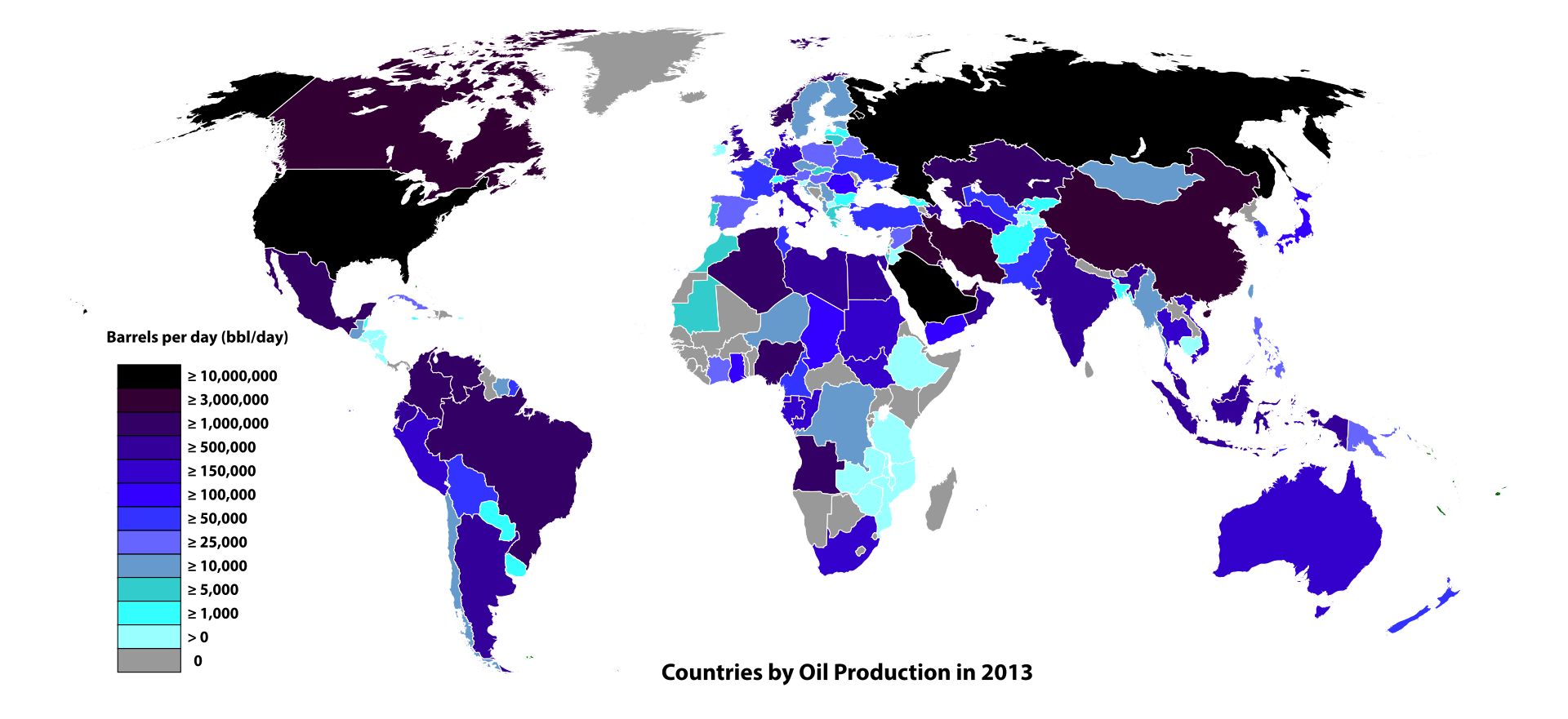
Illustration by Ali Zifan
India paces its energy transition while the Global North falters
India no longer provides universal petrol and diesel subsidies but continues targeted cooking-fuel support and occasional fiscal interventions to manage price shocks. This reflects the complex balancing act required in developing economies.
What such a reductionist perspective also ignores is that the very state of economic prosperity and high concentration of wealth in the Global North is built on the successive, deeply ingrained policies of fossil-fuel subsidy consumption by such nations.
Despite investing in and establishing renewable energy sources since the late 1990s, much before the rest of the world, countries of the European Union still spent USD 801 per person on fossil fuel subsidies in 2013.
This is much higher than the global average per-capita cost of USD 653 spent on fossil fuel subsidies, and even greater than the average per person cost prevalent across Sub-Saharan Africa, the Middle-East, North Africa, Latin America and Caribbean countries, combined of only USD 632 in the same year.
Such subsidies have undoubtedly enabled the profitable growth of European industries and service sectors that operate heavily on conventional fuel. Therefore, it is essential to acknowledge the necessity of fuel subsidies for the developing world that is experiencing an even lesser and more volatile period of economic growth, being exacerbated by historically high carbon emissions that they were not even responsible for.
India’s case can be considered as a commendable template of a steady, gradual transition to renewable energy. Despite having a large share of low-income population working in the unorganised sector, India has taken radical policy measures to reduce fossil fuel subsidies in a phased manner instead of abruptly curtailing or removing them.
In 2013, India spent USD 25 billion on conventional fuel subsidies, which translates to only USD 19.2 per capita, as compared to the USD 68.2 per capita subsidy being rolled out by the United States in the same year.
Therefore, it is observable that India was already offering a low number of subsidies more than a decade ago. Despite India being an emerging Asian economy, the country achieved an even greater reduction in 2023, where it spent USD 3.5 billion, a mild USD 2.4 per capita.
This resulted in an 87.5 per cent decline from 2013, while the United States increased its per-capita funding by 52.5 per cent. This proves that India continues to provide subsidies but is squarely focused on steadily reducing and replacing them with heavy investment in renewable energy.
The Indian government has deployed a combination of four important policy choices, amongst others, to enable this sustainable transition. First, in 2010, petrol prices were deregulated, and state-owned oil marketing companies were given the rights to revise petrol prices daily to reflect market rates and reduce their losses. This was complemented by the deregulation of diesel in 2014.
Such decisions freed up a significant amount of public revenue from being directed to fossil fuels and allowed the state to reinvest it into clean energy infrastructure, which enabled India to attain its nationally determined contribution (NDC) of obtaining at least 50 per cent of total electricity capacity from renewable energy five years before its targeted deadline of 2030.
Second, in order to maximise revenue from fossil fuel usage, the government raises the central and state taxes on petrol and diesel when international crude oil prices decrease. This ensures a good source of climate finance for the state without making the fuel prices too unaffordable, and provides a soft incentive for private vehicle owners to either switch to electric or adopt public transport.
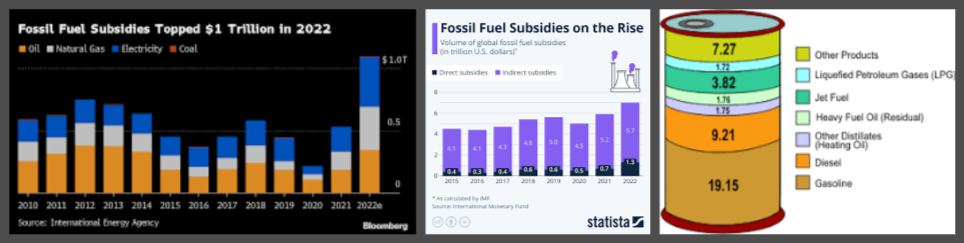
Thirdly, the government has heavily prioritised the expansion of biofuel blending using ethanol since 2014. The 13-fold increase in the percentage blended from 2014 to 2025 has had a two-pronged benefit: a reduction of almost 70 million tonnes of carbon dioxide emissions and cost savings of USD 15.5 billion on crude oil.
The significant amount of money saved through ethanol blending in conjunction with a policy emphasis on the diversification of the oil import basket has contributed to the reduction of fossil fuel subsidies through a gradual weakening of petrol dependence, with some of the cost advantage also being accrued to the consumers.
Select fuel subsidies and Indian policies to instil efficacy
A component of fossil fuel subsidisation which has continued is that of the Liquified Petroleum Gas (LPG) subsidy under PaHaL- Direct Benefit Transfer for LPG (DBTL) offered since 2014, which improved the shortcomings of its 2013 predecessor – Project Lakshya. The DBTL offers a subsidy for refilling LPG cylinders, which is elastic and changes proportionately with the domestic market prices, subsidising around 25-30 per cent of the latter.
Such policies comprise the hallmark of the Union government’s rural empowerment programmes and have proven exceptionally successful in increasing the household-level clean cooking fuel coverage from 56 per cent in 2014 to above 100 per cent in 2024. The vital utility of this programme is the reason behind its widespread acclaim amongst India’s masses, and for the state’s strong budgetary support for it.
However, some strands of criticism were levelled at the policy despite its eventually potent impacts at insulating low-income rural consumers from high international fuel prices.
An initial version of this programme was in place before 2013 as a purely universal subsidy. This policy practised price discrimination, where all registered domestic (non-commercial) users of LPG received subsidised prices for each cylinder. There was no component of the subsidy being deposited in the bank accounts of the beneficiaries as a Direct Benefit Transfer (DBT) after they purchased the cylinder.
However, this programme experienced leakage of benefits to unintended or subsidiary cohorts and difficulty in ensuring its access to the most disadvantaged groups. Along with universal subsidy programmes such as the former, this issue has occurred in targeted subsidies such as the Public Distribution System (PDS) as well.
Despite the PDS being designed for the Below and Above Poverty Line (BPL and APL) groups, it was observed that the mistargeting of beneficiaries and infrastructural challenges such as long distances and poorly arranged supplies resulted in less than one-third of the total eligible population availing the food security provision – only 31 per cent.
The universalised LPG subsidy also experienced similar pain points, where most of the benefit was realised by the urban consumers, while only 9 per cent of the rural households were able to access it. Furthermore, at least half the total subsidy granted was utilised by the top two income deciles, with issues of domestic LPG being diverted for commercial purposes and supplied in the black market being rampant.
These problems were duly noted, and the reforms from 2013 onwards worked to resolve them. In 2013, the DBTL mandatorily stipulated the presence of Aadhaar-linked bank accounts for consumers to avail the subsidy post-purchase. This certainly helped improve the authenticity of the recipients as it helped mitigate the leakage of subsidy benefits to fraudulent, duplicate connections.
The actively responsive nature of the programme also worked to resolve subsequent issues stemming from the mandatory presence of the Aadhaar identity. Since this requirement carried the demerits of excluding a large demographic cohort, which did not possess an Aadhaar identity, the 2014 PaHaL-led reform created the option of beneficiaries joining the subsidy programme with only their bank account details.
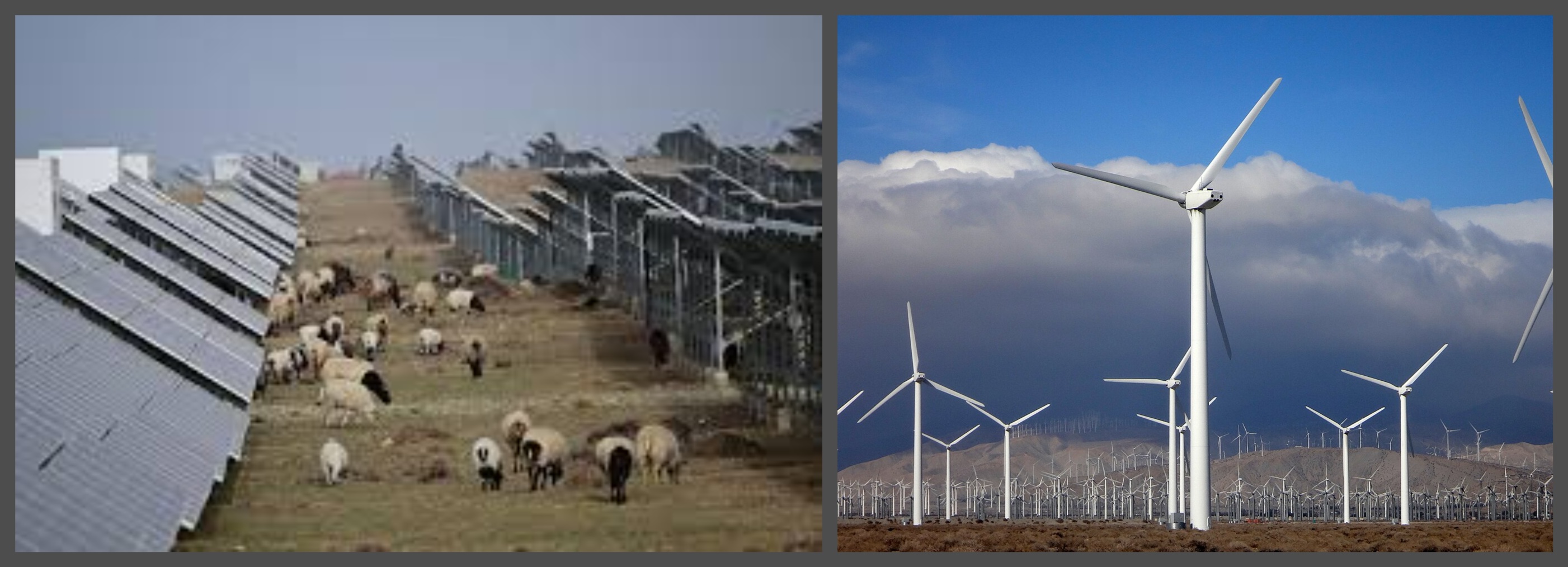
A solar farm in the Tibetan Autonomous Prefecture (left), and a windmill farm in Southern California (right)
This helped bridge the access gap between the most vulnerable groups and the rest, as a substantial proportion of households, which did not have a bank account, created one specifically to avail the subsidy.
Moreover, the eventual transformation of the programme to a completely targeted one in 2016 – rendering non-poor households ineligible for enrolling into the programme- ensured imperative removal of undeserving households from the beneficiary list. This unlocked an even greater amount of public revenue, which could now be reinvested as a higher per-connection subsidy allotment for targeted poverty-stricken beneficiaries.
Therefore, valid concerns regarding inefficient disbursal of subsidies do exist, but they can be responded to with a consolidated combination of the aforementioned measures to keep upgrading the efficacy of crucial subsidy programmes.
Hegemonic interests must not influence policy advocacy
Europe and the remaining Western nations had the time, resources (albeit obtained through gross exploitation) and ecological conduciveness to industrialise their economies sustainably. Despite that, they choose to spend high amounts on fossil fuel subsidies.
It is, therefore, even more imperative to strengthen ephemeral fuel subsidies for developing nations to smoothly facilitate their transition to renewable energy.
Thirdly, such research relies on indicators like political freedom, which Global South countries have long criticised for reflecting Eurocentric bias, often labelling strict governance in geopolitically non-aligned states as repression while overlooking similar authoritarian practices in allied countries.
Furthermore, what such an indicator also brushes under the carpet is the often-observed covert role played by Western nations to ignite or support ongoing protests against a geopolitically non-compliant establishment. The said establishment, to counteract this, undertakes law enforcement measures that get strategically profiled as ‘political repression.’
This was most recently seen in the cases of Syria and Venezuela, where the unconstitutional, sovereignty-subverting overthrow of the Assad and Maduro regimes was undertaken to curtail Russian influences and gain brazen control of their oil economies.
Furthermore, such indicators often overlook the alleged role of external geopolitical actors in fuelling protests against governments considered geopolitically non-aligned.
The way forward: Phasing out subsidies via rationalising them
Ultimately, the need for ephemeral subsidies in developing countries is non-negotiable. Therefore, it is essential to instil efficiency with respect to their disbursal, budgetary allocation, knowledge dissemination and executive agencies’ consumer engagement.
Rationalised subsidies in India have contributed to reducing the burden on the public exchequer by mitigating the revenue lost due to mistargeting and service mismanagement.
Some rudimentary mechanisms have proven successful in attaining a high and veracious subsidy penetration rate within the target beneficiary cohort for programmes such as the DBTL.
These included gradually shifting to targeted subsidies wherever possible; digitally linking the cash transfer provision to standardised financial credentials such as Aadhaar-based bank accounts; and keeping an active policy implementation team to ensure information symmetry amongst the consumers and subsidy providers.
It is worth reiterating that fossil fuel subsidy is a distributive justice measure in itself, and ensuring more equitable distribution of resources does not preclude civic resistance to fossil fuel subsidy reductions.
In fact, national governments should prioritise other potent fiscal measures of mobilising public revenue for thorough availability and access to renewable energy resources; the ephemeral absence of which will be legitimately met by conventional fuel subsidies.
(Views expressed in this report are the author's own.)
Follow us on WhatsApp
Follow us on Facebook
Follow us on X @vudmedia
Follow us on Substack


