
India’s reliance on imported crude oil — nearly 87–88 per cent of consumption — makes it vulnerable to price shocks and supply disruptions from geopolitical crises in West Asia, especially disruptions around the Strait of Hormuz. But the current tensions also reveal a second layer of vulnerability: India’s dependence on imported LPG and gas logistics that sustain households, restaurants and small industries. Supply disruptions could affect millions of informal jobs, alter consumption patterns and even strain electricity demand if households shift to power-intensive alternatives. A prolonged gas disruption could also affect fertiliser production, particularly urea, which depends heavily on natural gas as both feedstock and fuel, potentially creating downstream risks for agricultural cultivation and food price stability if supplies tighten during critical crop cycles. The crisis underlines the need for a comprehensive energy strategy combining diversification, strategic reserves, domestic exploration and accelerated transition toward electrification and renewable power, says Pradeep Kaimal in the first of this two-part series on the oil crisis and India’s options.
Home page image: An Iranian oil depot at Shahran goes up in flames following an Israeli strike; photo credit - @scottdefender
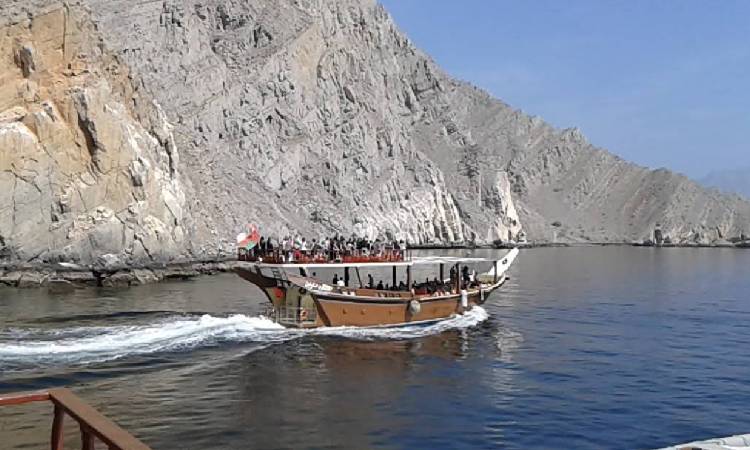
Text page image: Fishing or transport boats pass through an unnamed stretch of the Strait of Hormuz, in this Google Map image
Banner image: A US aircraft carrier seen passing through the Strait of Hormuz in this 2016 picture; photo source - US Navy
A couple of evenings back, a small restaurant owner in the town of Roorkee in Uttarakhand stood outside his kitchen after the dinner rush had thinned out, checking his phone again and again. His LPG supplier had just informed him that the next delivery might be delayed.
“If the cylinder doesn’t come tomorrow, I may have to shut for a few days,” he said, his voice carrying more worry than frustration.
Inside, two workers waited without saying much, unsure whether they would have work the next day.
“Sir, if the hotel closes, what happens to our salary?” one of them finally asked.
The owner had no clear answer.
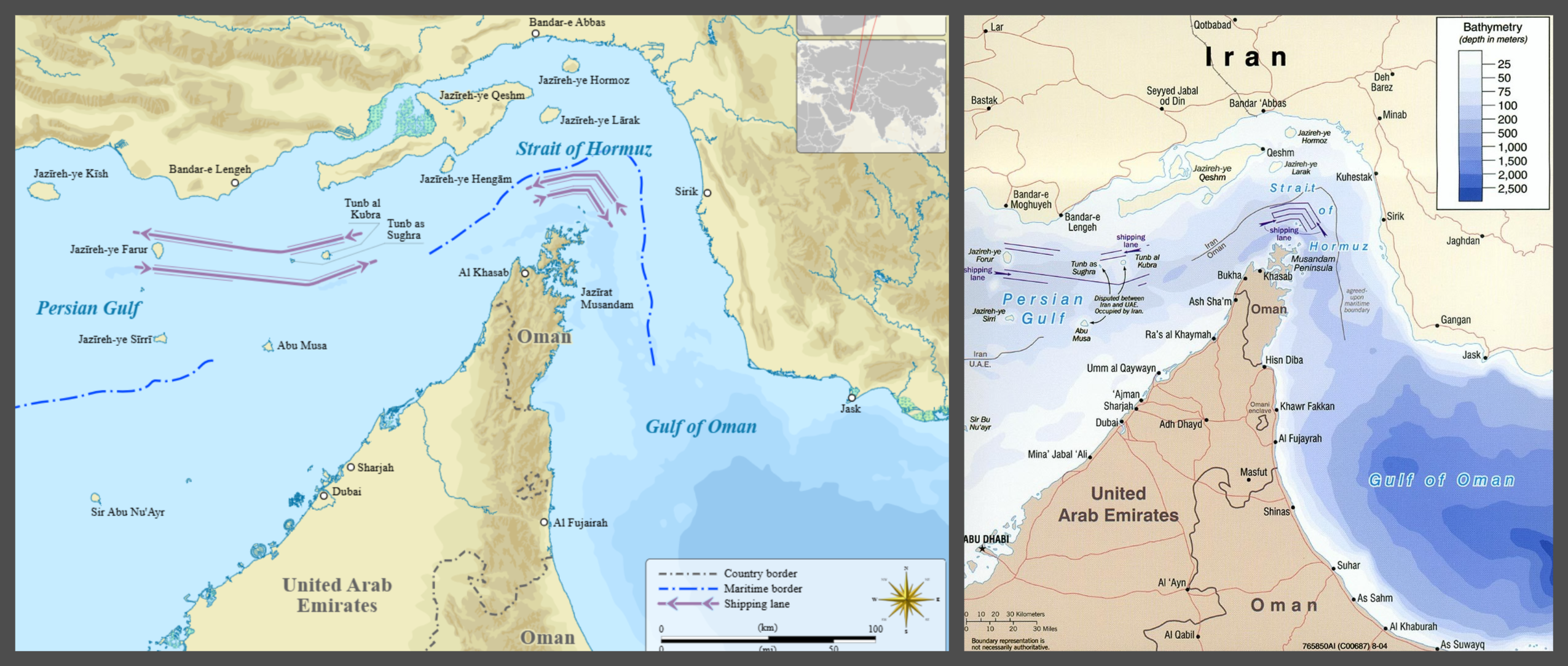
Maps sourced from Wikimedia Commons
Similar concerns are emerging in various parts of the country — from small eateries to industrial kitchens and catering services — as global tensions begin to disrupt supply expectations. Even where supplies have not yet been disrupted, uncertainty itself is becoming a factor. Businesses are beginning to plan for delays.
One energy market observer described this as the “psychology of disruption.”
“Energy crises rarely begin with actual shortages,” he noted. “They begin when people start anticipating shortages. Behaviour changes before supply actually changes.”
Another researcher working on fuel security noted that India’s vulnerability extends beyond crude oil alone.
“We tend to discuss crude because it affects macroeconomic indicators. But LPG affects social stability. When petrol prices rise, growth slows. When cooking fuel becomes uncertain, the stress is felt immediately by households and small businesses.”
Logistics specialists are also watching the situation closely.
“If LPG cargo movement from the Gulf slows and India has to increasingly rely on long-distance suppliers such as the United States, transport costs could rise substantially,” one analyst said. “The issue then is not just supply and availability, but also affordability.”
Some experts are also concerned about possible substitution effects.
“If even a small share of households begins shifting to electric cooking as a precaution, that could add pressure on electricity demand, particularly during peak summer months,” a power sector analyst warned.
Whether these concerns fully materialise remains uncertain. Wars sometimes escalate unpredictably, but they can also de-escalate under international pressure. Yet moments like these tend to reveal the hidden fault lines of economic systems, often before any real disruption becomes visible in official data.
Modern wars rarely remain confined to their place of origin. In a deeply interconnected global economy, their consequences travel not through troop movements but through insurance premiums, shipping delays, commodity prices and financial risk calculations.
The Iran–Israel confrontation must be understood in this larger context. For India, the implications are not merely diplomatic or strategic. They are intensely material.
The most visible connection is energy. Today, India is the world’s third-largest consumer of oil, and a large part of that oil comes from West Asia. The fuel that keeps India’s buses moving, trucks transporting goods and factories functioning travels through sea routes shaped by the political stability of that region.
Seen in this light, the present crisis raises deeper questions. It is not merely about whether oil prices may rise. It is about how energy vulnerability operates across multiple layers of the Indian economy.
The crisis draws attention to three interconnected pressures: India’s structural energy insecurity, its economic exposure to global shocks, and the growing urgency of rethinking the country’s long-term energy trajectory.
But unlike previous crises, the present situation also highlights something else — a vulnerability that receives far less policy attention: our dependence on imported cooking gas.
India’s energy vulnerability: beyond crude oil
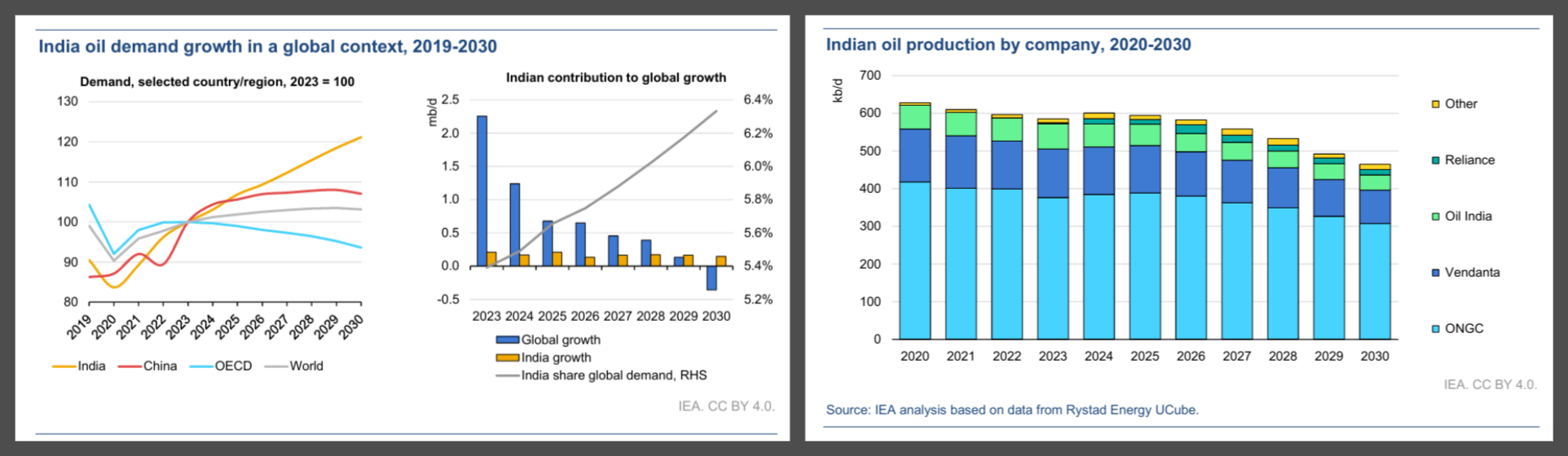
India’s growth story has unfolded alongside rising energy demand. Over three decades of economic expansion have increased transport use, industrial activity and household energy consumption. Domestic crude production, however, has remained largely stagnant, forcing the country to rely increasingly on imports.
Today, nearly 87–88 per cent of India’s crude oil requirement is imported. In 2024–25 alone, the country spent roughly USD 137 billion on crude imports, illustrating how deeply hydrocarbons remain embedded in India’s economic structure.
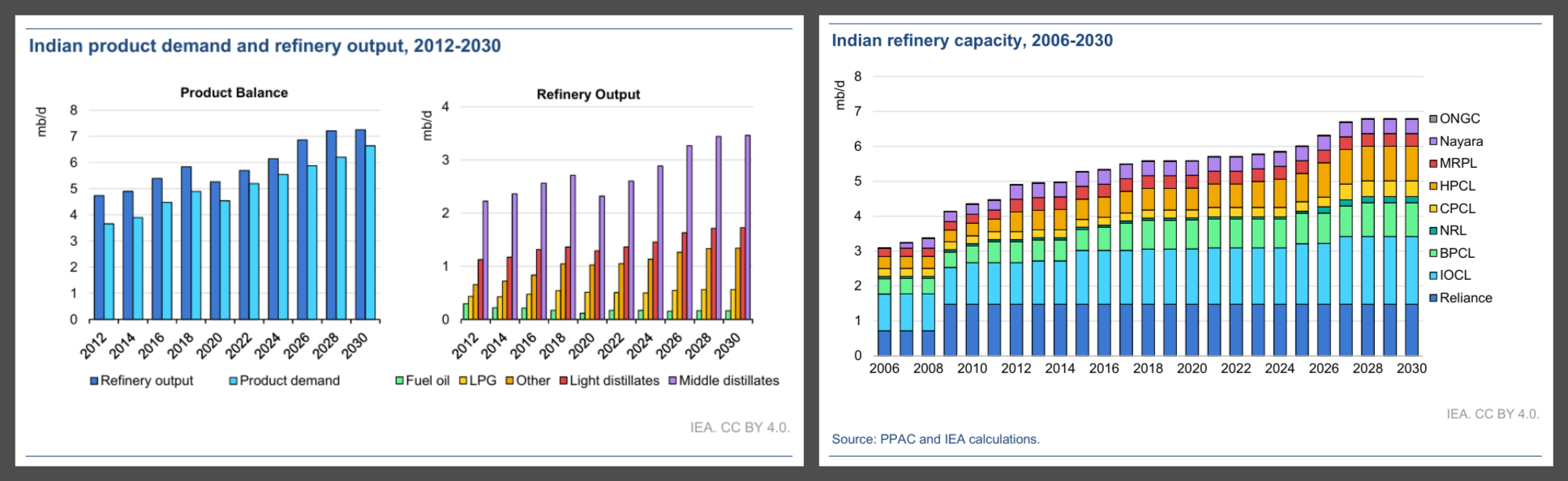
Demand pressures are unlikely to ease. Current consumption of around 5.5 million barrels per day could rise to nearly 8 million by 2035. If domestic production fails to grow significantly, import dependence could approach 90 per cent or more.
In simple terms, India’s economic rise has been powered by imported hydrocarbons. That reality inevitably makes the country sensitive to geopolitical turbulence. Yet oil is only part of the story.
The present crisis also reveals India’s dependence on imported liquefied petroleum gas (LPG), the fuel that sustains millions of household kitchens and a vast network of small commercial establishments.
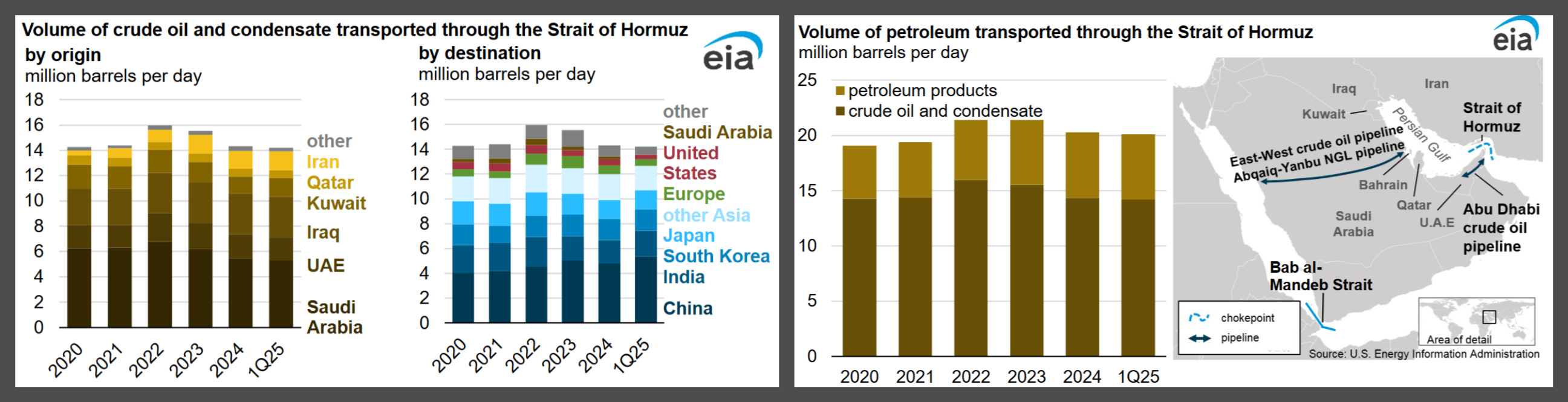
India consumes roughly 31 million tonnes of LPG annually, with about 62-65 per cent met through imports, most of it sourced from West Asia and shipped through the Strait of Hormuz.
This creates the second vulnerability. If crude fuels the economy, LPG fuels daily life.
The hidden vulnerability: India’s LPG logistics dependence
Unlike crude oil, which is stored strategically, LPG supply chains operate more like continuous flow systems. Imports arrive at coastal terminals and are rapidly distributed rather than stored in very large long-term buffers.
This makes logistics reliability as important as supply availability.
If Gulf shipments slow, India can technically import LPG from the United States, Canada or Africa. But such diversification would involve longer shipping routes, significantly higher freight costs and possible delivery delays.
Recent developments suggest supply tightening is already affecting India’s commercial LPG ecosystem. Hotels and restaurants in cities including Mumbai, Chennai and Bengaluru have reported shortages of commercial cylinders, with some forced to shut temporarily.
Industry associations warn that continued disruption could lead to daily losses running into hundreds of crores and widespread employment impacts. In Mumbai alone, reports suggest nearly 20 per cent of restaurants temporarily halted operations due to supply disruptions.
Such figures reveal something important about energy systems: shortages do not merely affect fuel availability — they affect employment ecosystems. India’s restaurant economy is heavily labour-intensive. Every closure affects not just owners but also cooks, cleaners, delivery workers, suppliers and informal labour linked to food services.
Even as this report was being prepared, similar accounts were emerging from other parts of the country, suggesting these anxieties are not isolated.
In Surat, reports indicated that some migrant textile workers had begun returning to their native towns amid concerns over cooking fuel availability and rising living costs. In parts of Kerala, Lucknow and Pune, small restaurants and street food vendors have been cutting operations or temporarily shutting down due to delays in commercial LPG supplies. Industrial clusters in Punjab and Haryana have also flagged the risk of production slowdowns if fuel supply uncertainties persist.
While these incidents remain scattered, they point to the early social and economic ripples that energy supply concerns can create even before a full-fledged shortage takes hold.
Behavioural responses: panic and adaptation
Energy crises also produce behavioural responses. Recent reports indicate panic booking of LPG cylinders in some cities, with booking volumes rising sharply as consumers attempt to secure supply buffers.
At the same time, households are adapting in small but revealing ways. Sales of ready-to-cook food and low-energy preparation options have reportedly increased as consumers attempt to conserve cooking gas.
More interestingly, there are signs of households exploring electric cooking alternatives such as induction stoves amid fears of supply disruptions. These behavioural shifts highlight something crucial: energy transitions sometimes begin not with policy but with anxiety.
The substitution risk: LPG to electricity
At first glance, the shift to electric cooking appears rational. But from a systems perspective, it raises a deeper question: what happens if millions of LPG-using households begin shifting to electricity simultaneously?
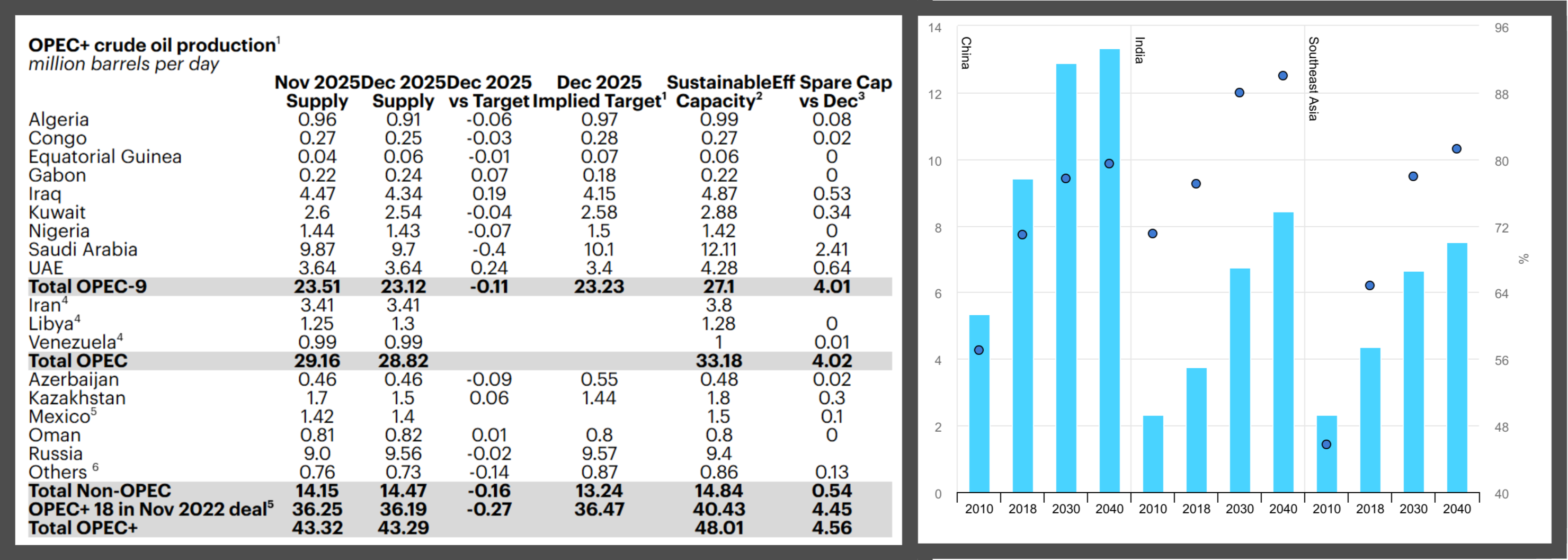
India’s electricity system already faces seasonal strain during peak summer months when cooling demand rises sharply. The country’s peak power demand touched about 250 GW in 2024 and is projected to reach around 270–277 GW during high-demand summers, reflecting how tight the supply–demand balance is becoming.
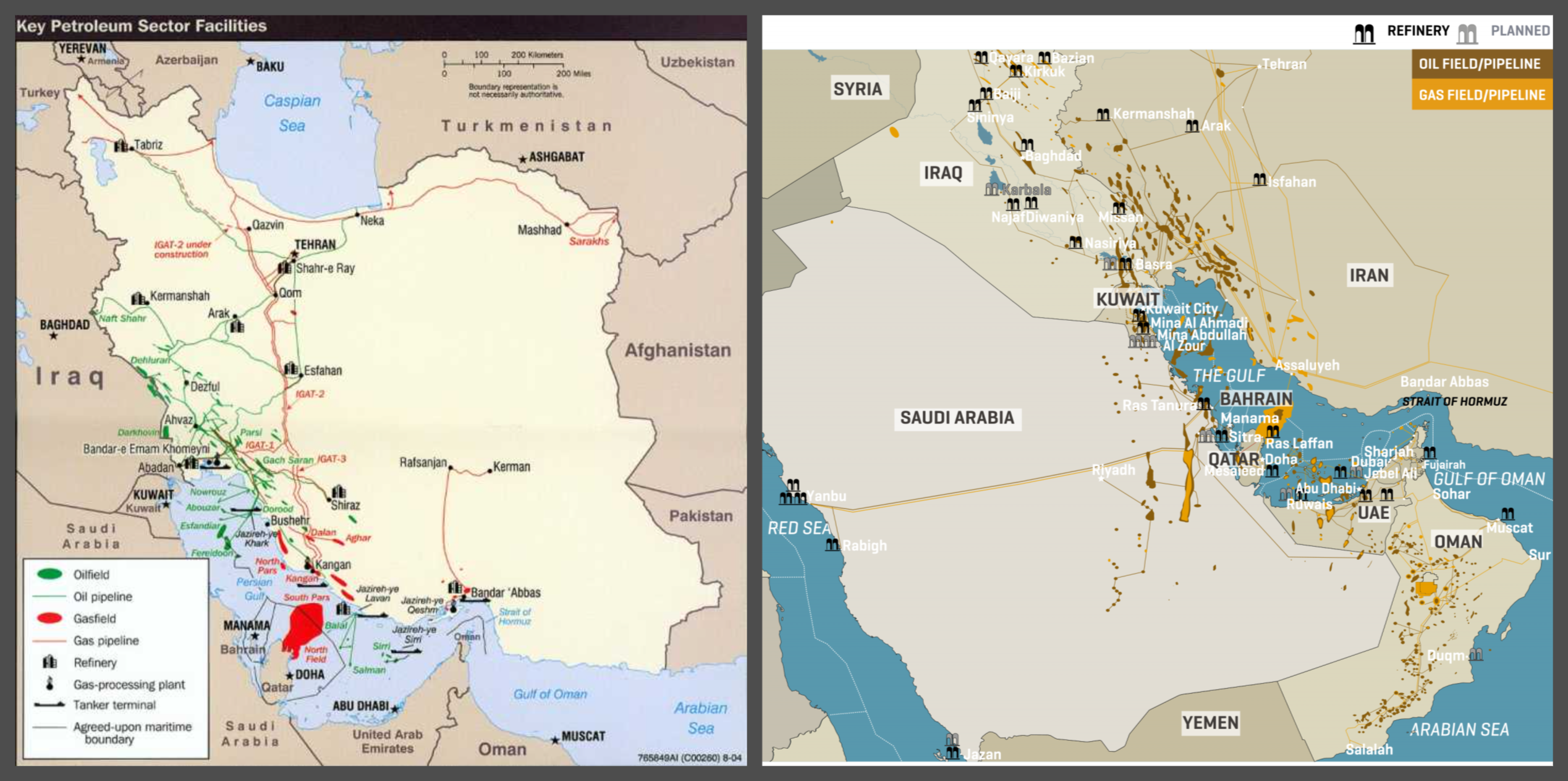
Maps sourced from CIA Handbook and MEES
Early signals of such substitution pressures are already visible. In parts of Gurgaon, electricity consumption reportedly rose sharply as households and small businesses began using induction cooktops amid LPG supply concerns.
If large numbers of households begin using electric cooking during peak summer periods, demand could rise unexpectedly on top of already high cooling loads. Even a modest behavioural shift could therefore translate into significant peak-load pressure.
India has made significant progress in expanding generation capacity, but peak demand management remains a challenge during extreme heat periods when demand can grow by nearly 9–10 per cent in a single season.
This raises a critical systems question: can India manage a cooking fuel disruption without triggering a power demand disruption?
Energy systems are deeply interconnected. A disruption in maritime LPG supply can eventually manifest as peak-load pressure on domestic electricity networks. Such cascading risks illustrate why energy security must be understood not as isolated fuels, but as an interconnected system.
A less discussed possibility is a reverse energy transition. If disruptions in LPG supply coincide with electricity constraints, some rural and peri-urban households may be forced to fall back on traditional biomass fuels such as firewood, crop residue and dung cakes.
This would not represent a technological transition but a distress response. India’s clean cooking transition remains incomplete; survey evidence suggests many households still retain biomass as a secondary fuel, indicating that fallback behaviour remains structurally embedded in the energy system.
Such a reversal could create new environmental pressures, particularly on local forest resources and common lands already strained by decades of deforestation, land fragmentation and urban expansion.
It could also undermine gains made in reducing household air pollution and carbon emissions through the expansion of cleaner cooking fuels, illustrating how energy supply disruptions can quickly translate into environmental setbacks.
Oil, geography and economic shock transmission
The oil dimension of the crisis remains equally significant.
A commonly cited estimate suggests that every USD 10 increase in crude oil prices is estimated to increase India’s import bill by roughly USD 13–14 billion and widen the current account deficit by about 0.3 per cent of GDP. These pressures operate through multiple transmission channels.
Higher fuel costs increase logistics expenses across sectors. Freight becomes more expensive. Agricultural inputs such as fertilisers become costlier. Currency pressure also emerges as importers demand more dollars to pay for imports. A prolonged disruption in global gas markets could also affect India’s fertiliser sector.
India produces about 30–31 million tonnes of urea annually, meeting roughly three-fourths of its demand, while the rest is met through imports. Urea production depends heavily on natural gas, which accounts for nearly 70–80 per cent of production costs.
Although part of this gas comes from domestic sources, India imports about half of its natural gas consumption as LNG, meaning even domestic fertiliser output carries import dependence.
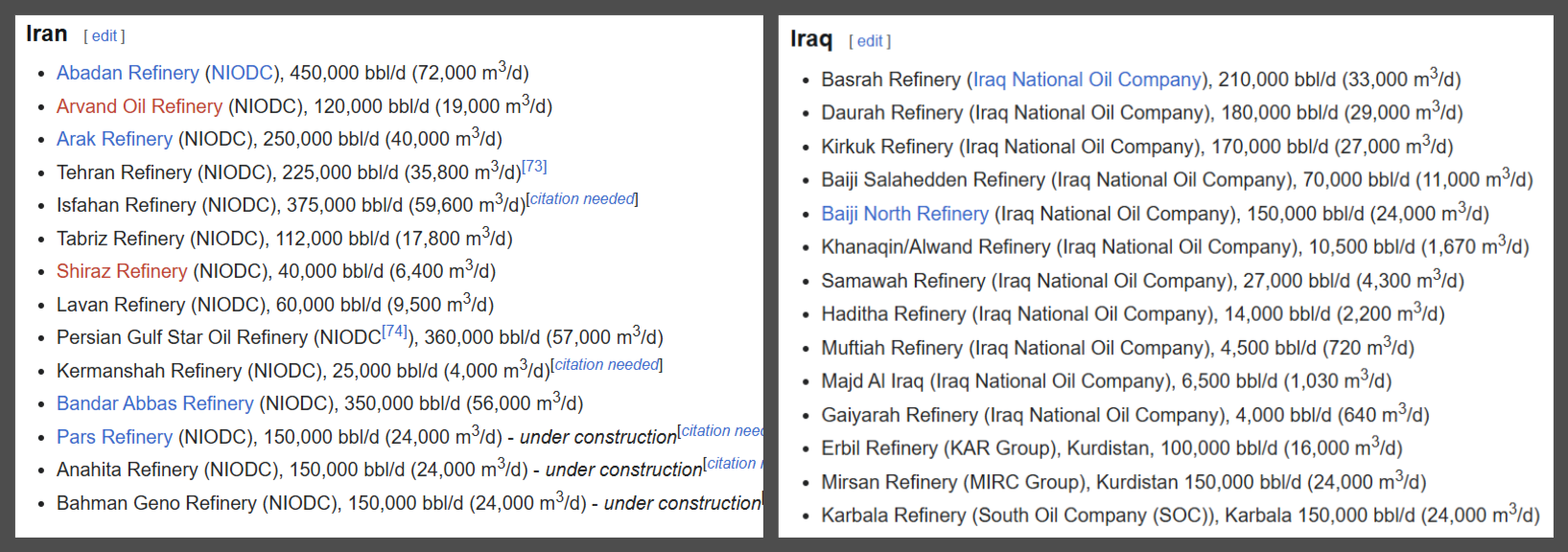 List of oil refineries in Iran and Iraq - the largest two producers in West Asia
Any sustained rise in gas prices or supply constraints could therefore increase production costs or fertiliser imports. If such pressures coincide with critical sowing seasons, energy disruptions could translate into agricultural risks affecting crop costs and food systems.
Financial markets also respond to geopolitical uncertainty. Investment sentiment becomes cautious. Growth projections may weaken. Over time, persistently high energy costs can slow economic momentum. What begins as a distant geopolitical confrontation thus becomes a domestic macroeconomic variable.
The human spillover: Diaspora risks and remittance exposure
Another channel through which instability in West Asia could affect India lies not in fuel markets but in labour markets.
Nearly nine million Indians are estimated to live and work across Gulf economies, including the UAE, Saudi Arabia, Qatar, Kuwait and Oman. For decades, this migration corridor has acted as a crucial economic stabiliser for many Indian households.
Remittances from Indians abroad now total well over USD 135 billion annually, making India the world’s largest recipient of diaspora transfers. Roughly one-third of these flows — estimated at around USD 45–50 billion — originate in Gulf economies.
These financial flows are not merely balance-of-payments statistics. They sustain household consumption, finance education, support housing construction and underpin local economies in states such as Kerala, Uttar Pradesh, Bihar, Telangana and Tamil Nadu.
Any prolonged regional instability, therefore, carries a second-order economic risk.
If conflict were to slow construction, logistics or service sectors in Gulf economies, migrant employment could face pressure. Even modest job losses could translate into reduced remittance flows and reverse migration pressures.
Such a scenario would have two immediate consequences.
First, reduced remittances could weaken household consumption in remittance-dependent regions, affecting local retail, housing and service employment.
Second, returning workers could add pressure to India’s already strained labour market, particularly in semi-skilled segments where domestic absorption capacity remains limited.
Past crises have shown that reverse migration often creates hidden adjustment pressures. Workers returning from overseas frequently struggle to find comparable wage opportunities domestically, sometimes leading to underemployment or renewed migration attempts.
This illustrates another important dimension of geopolitical risk transmission: Energy crises in West Asia do not affect India only through oil tankers. They also travel through migrant labour corridors.
In that sense, stability in the Gulf matters to India not only because it fuels the economy, but because it sustains the livelihoods of millions of Indian families connected to migration networks.
A reminder about war
It is equally important to acknowledge uncertainty. Conflicts sometimes escalate unexpectedly, but they can also de-escalate under global pressure. Markets often react to anticipation as much as reality.
This is why vulnerability analysis must not be confused with prediction. The purpose of examining these risks is not to assume catastrophe but to recognise possibility. If anything, the present crisis reinforces a simple historical lesson: wars in energy regions impose costs far beyond their immediate geography. They threaten employment in distant cities. They increase household anxieties.
They also strain economies that have no role in the conflict. For a country like India — whose priorities lie in development, stability and human welfare — this reinforces an older and perhaps unfashionable lesson: War is rarely a solution. More often, it is organised destruction whose costs are borne disproportionately by ordinary people far removed from decision-making tables.
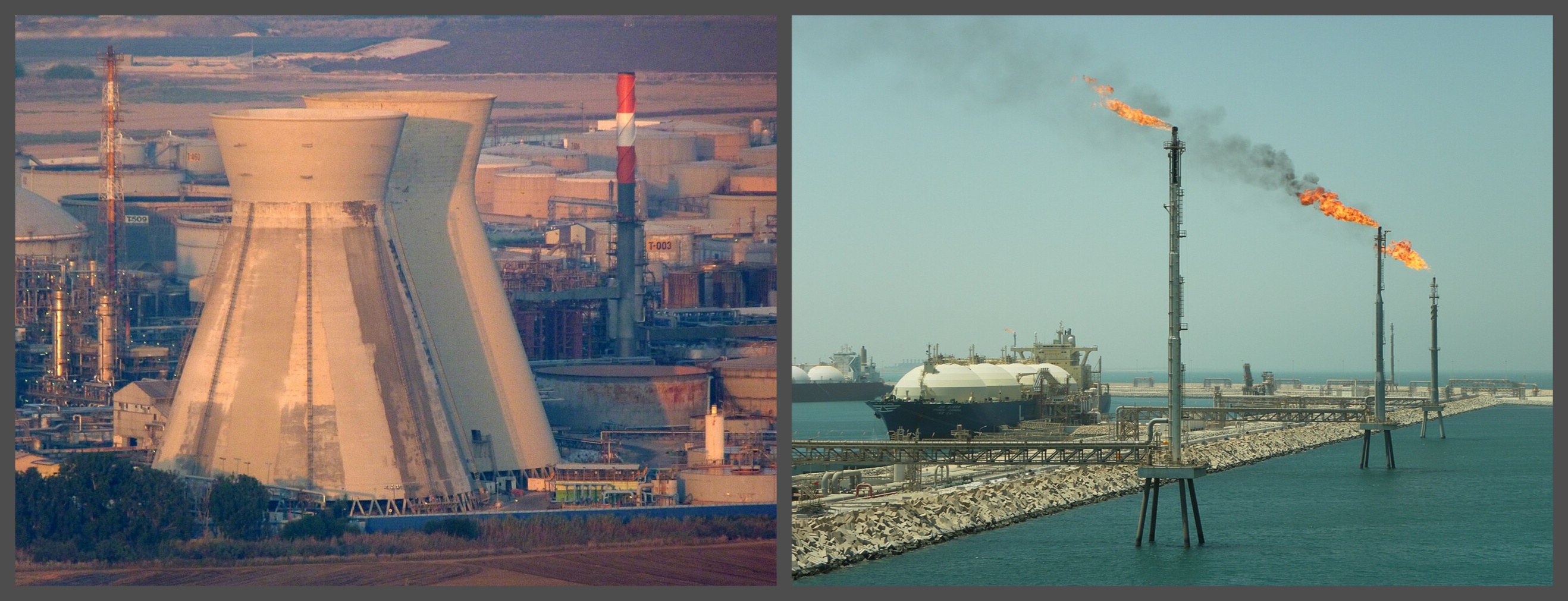 The cooling towers of Haifa refinery in Israel (left) and the Ras Laffan LNG Terminal in Iran (right) - two major fossil fuel facilities that were hit in the US-Israel military campaign against Iran; photo source - Wikimedia Commons
If there is one strategic message emerging from this crisis, it is this: Energy security is not only about securing supply contracts or building reserves. It is about protecting societies from the ripple effects of conflicts they neither control nor benefit from.
And perhaps that is the most important reminder this crisis offers India. The real question is not whether energy shocks will occur again. It is whether they will finally persuade policymakers that the strongest defence against distant wars is reducing the vulnerabilities they expose.
For the restaurant owner in Roorkee, however, these debates are not abstract. They are about whether his kitchen opens tomorrow. That may be the simplest way to see energy security — not as barrels or reserves, but as ordinary lives continuing normally.
Follow us on WhatsApp
Follow us on Facebook
Follow us on X @vudmedia
Follow us on Substack


