
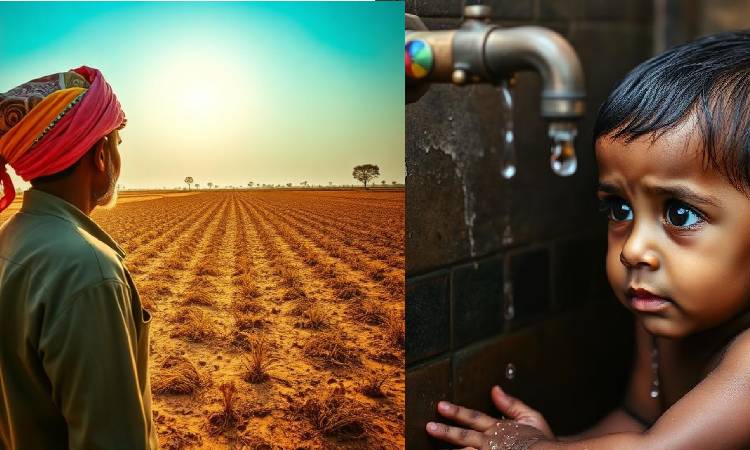
As heatwaves intensify, monsoons falter, and coal pollution quietly eats into harvests, India finds itself at the sharpest edge of the climate crisis — yet continues to resist turning climate responsibility into international law. A UNICEF report now warns that 97 per cent of India's children face overlapping climate hazards, while USD 55 billion of its own renewable energy pipeline sits exposed to climate risk. The story of the world's most climate-vulnerable major economy is no longer just about emissions targets. It is about who bears the cost, who gets protected — and who decides, asks Pradeep Kaimal.
Home page, Text page and banner images are AI-generated for representational purposes
India is no longer just warming — it is unravelling. As heatwaves grow longer, deadlier, and more economically corrosive, the climate paradox at the country's core is rapidly deepening and outpacing both its politics and its preparation.
Few nations are experiencing the immediate impacts of climate change as intensely as India.
The scale of that exposure is most starkly visible in the generation that will inherit its consequences. A UNICEF report released in June 2026 found that 97 per cent of children in India face at least two overlapping climate hazards — including drought, heatwaves, floods, and tropical storms — with more than 234 million children exposed to three or more simultaneously.
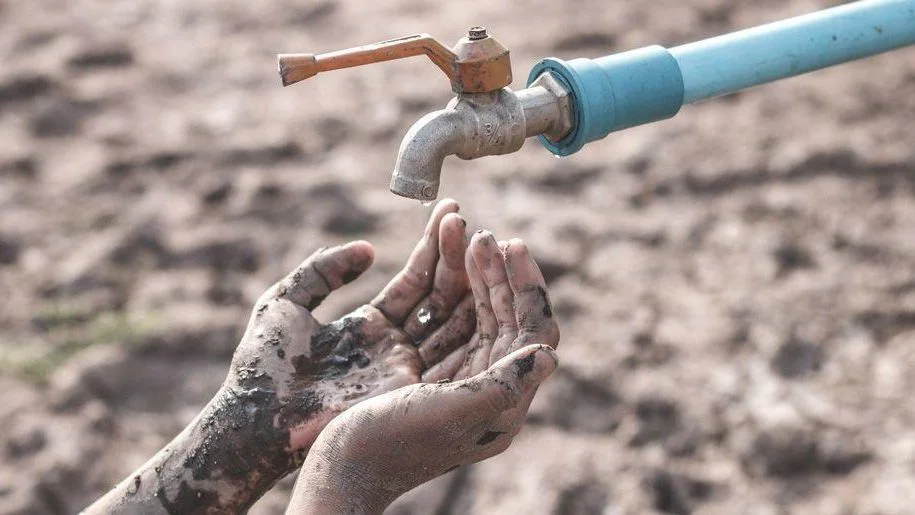
A child collects drops of water trickling from a tap; photo courtesy - Feminism in India
The most common combination is drought and extreme heat, affecting over 158 million children.
Schools across Uttar Pradesh, Odisha, and Jharkhand have already begun closing during heatwaves, while nearly half of all children under 15 in India lack access to social protection programmes that could buffer climate shocks. Climate change in India is no longer a future risk. For children, it is already reshaping daily life.
Yet when the United Nations General Assembly recently voted overwhelmingly to endorse the advisory opinion of the International Court of Justice (ICJ) on climate obligations, India joined 27 other countries in abstaining.
The decision has reignited a debate that extends far beyond diplomacy. Why would a country facing rising heat stress, growing climate risks and mounting adaptation costs hesitate to support stronger international legal mechanisms on climate responsibility?
The answer lies at the intersection of development, energy security, climate finance and geopolitical power, as an Indoen Energy report explored.
India's position reflects a broader global fault line emerging within climate politics: nations most vulnerable to climate change increasingly want accountability, but large emerging economies remain cautious about allowing climate action to become a matter of international legal enforcement.
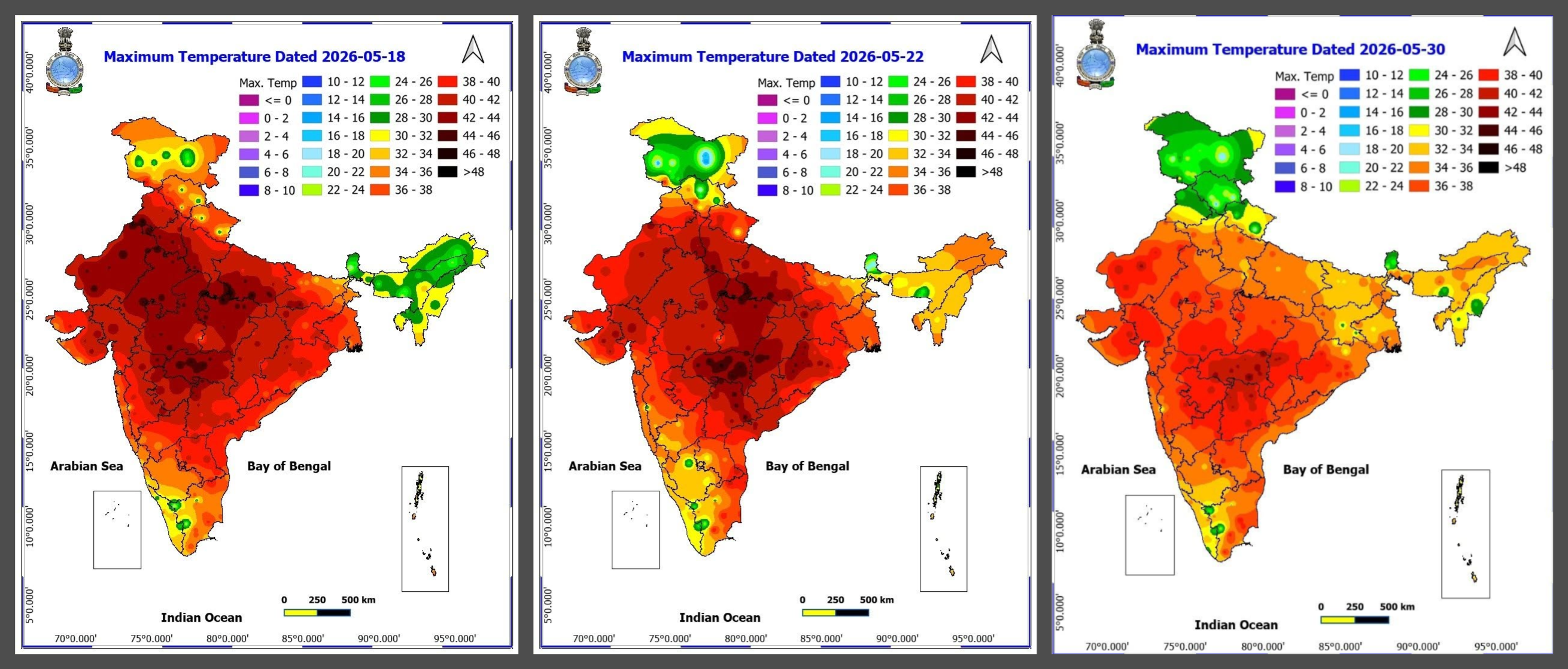
The climate emergency is already here
India's caution comes at a time when climate impacts are becoming impossible to ignore.
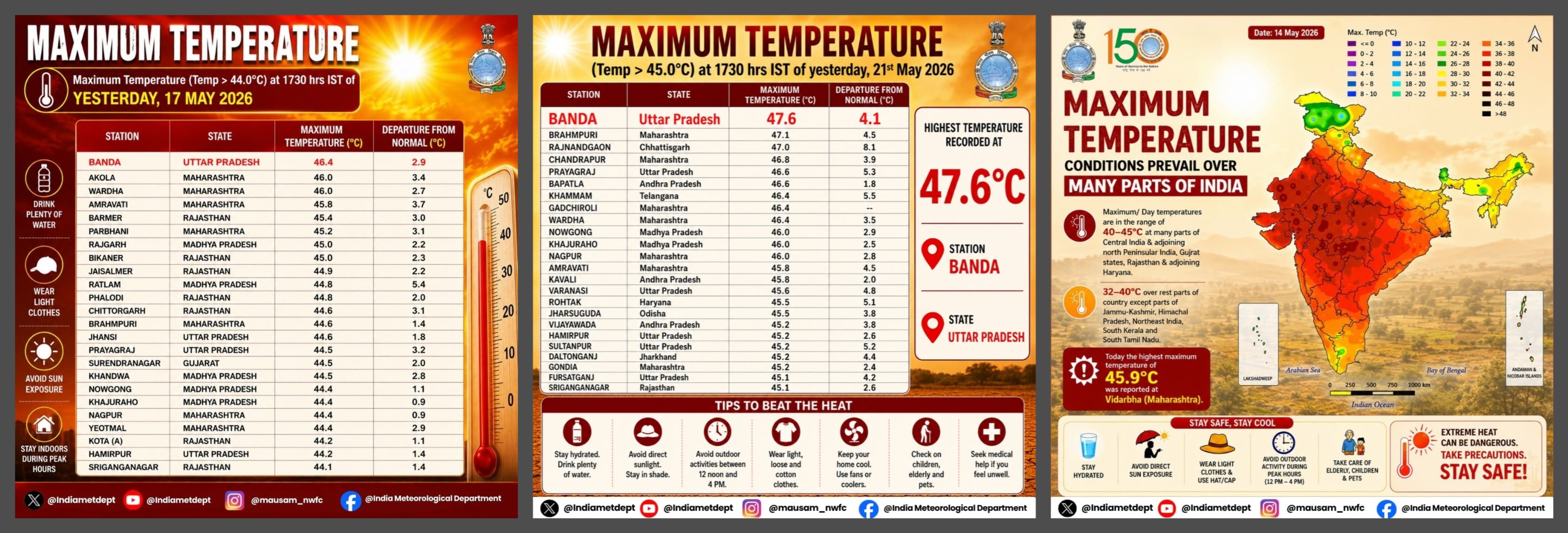
Recent heatwaves have pushed temperatures beyond 45°C across several regions. Authorities reported hundreds of suspected heatstroke cases this summer, while health experts warn that rising humidity is making extreme heat more dangerous than temperature records alone suggest.
Scientists increasingly argue that India is entering an era in which heatwaves become not merely weather events but structural economic risks. Research suggests that warming patterns are altering the nature of heat exposure itself, increasing nighttime temperatures and reducing recovery periods for both people and infrastructure.
The consequences extend well beyond public health.
Agricultural productivity is coming under growing pressure. Crop losses, declining labour productivity and rising cooling demand are beginning to reshape economic planning. In the Himalayas, climate-linked disasters are imposing increasing costs on communities, infrastructure and tourism-dependent economies.
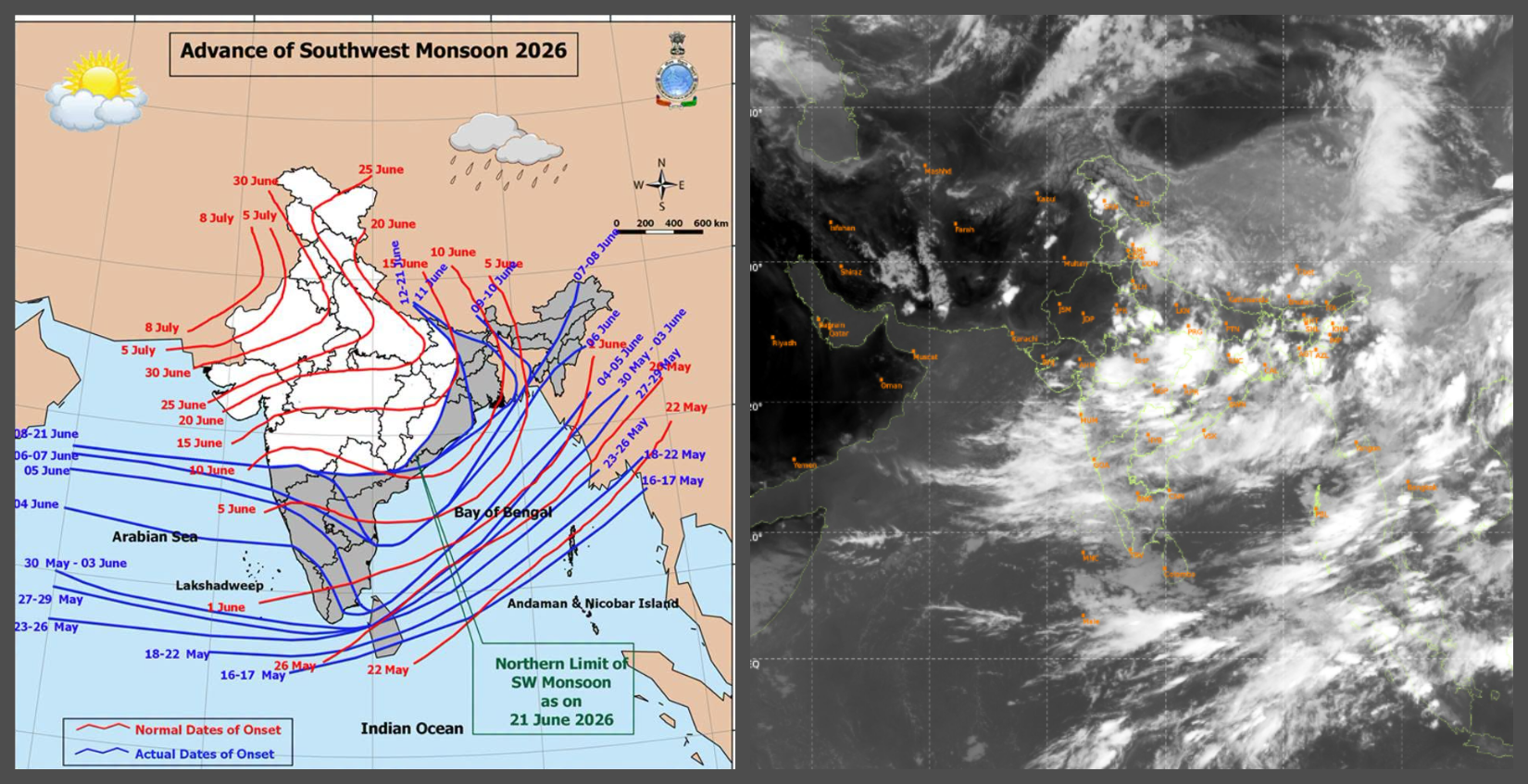
India's water stress is deepening in ways that go beyond heat alone. In June 2026, the southwest monsoon arrived in Mumbai nearly two weeks late, leaving a countrywide rainfall deficit of over 40 per cent at a critical point in the agricultural calendar.
Mumbai — a city of millions — was left with just 40 days of water supply, with authorities imposing restrictions on construction sites and swimming pools while farmers across the country faced planting delays.
Climate experts attributed the disruption to El Niño compounding an already warming planet — a combination that is making India’s monsoon less predictable, more erratic, and punctuated by intense floods and prolonged dry spells rather than the sustained seasonal rain that agriculture and urban water systems were built around.
The damage, it turns out, is not coming from climate alone.
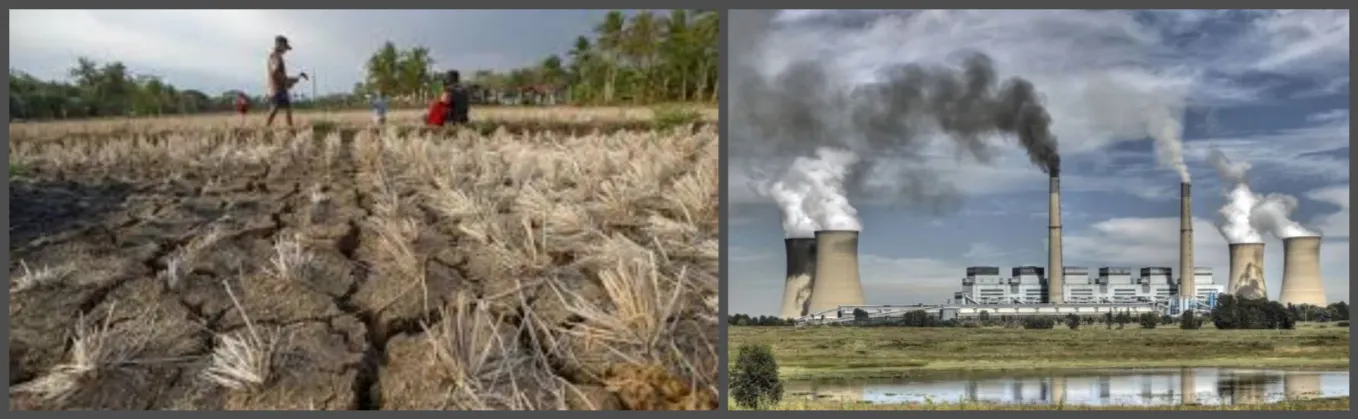
A Stanford University study has found that pollution drifting from India’s coal-fired power plants — which supply over 70 per cent of the country's electricity — is quietly draining an estimated USD820 million from wheat and rice harvests every year.
Researchers tracked nitrogen dioxide emissions from 144 coal stations and found their reach extends up to 62 miles into farmland, with crop losses per unit of electricity generated sometimes exceeding the mortality cost at the same plants.
The finding puts India's energy and food security challenges in direct collision — and complicates the assumption that coal's costs can be separated from agriculture's future.
Why India fears climate legislation
At first glance, India’s abstention appears contradictory.
The country has repeatedly called for stronger global climate action, climate finance and technology transfer. It has also invested heavily in renewable energy expansion, green hydrogen development and emissions reduction initiatives.
However, New Delhi's concern is less about climate action and more about the legal architecture surrounding it.

Indian policymakers worry that climate litigation could gradually shift responsibility away from the principle of “common but differentiated responsibilities” that has underpinned international climate negotiations for decades.
Under this principle, developed nations bear greater responsibility because they contributed the majority of historical greenhouse gas emissions.
The fear among many developing countries is that future climate litigation could blur these distinctions and expose emerging economies to legal obligations that fail to account for differing stages of development.
This concern is not unique to India. Several large developing economies have privately expressed unease about the growing role of international courts in climate governance.
Building carbon markets while resisting climate courts
The apparent contradiction becomes even more striking when viewed through the lens of domestic policy.
India is rapidly building one of the world's largest carbon market frameworks. Recent assessments suggest that carbon pricing mechanisms now cover nearly 29 per cent of global emissions, with India emerging as one of the most significant new participants in the evolving carbon market ecosystem.
Yet this domestic ambition sits in uncomfortable tension with what India does at the international negotiating table.
At the Bonn climate talks in June 2026, India vocally championed the concept of “just transition” for the Global South — pushing for finance and equity provisions in the newly agreed Just Transition Mechanism — while lacking any comprehensive and just national transition policy of its own.
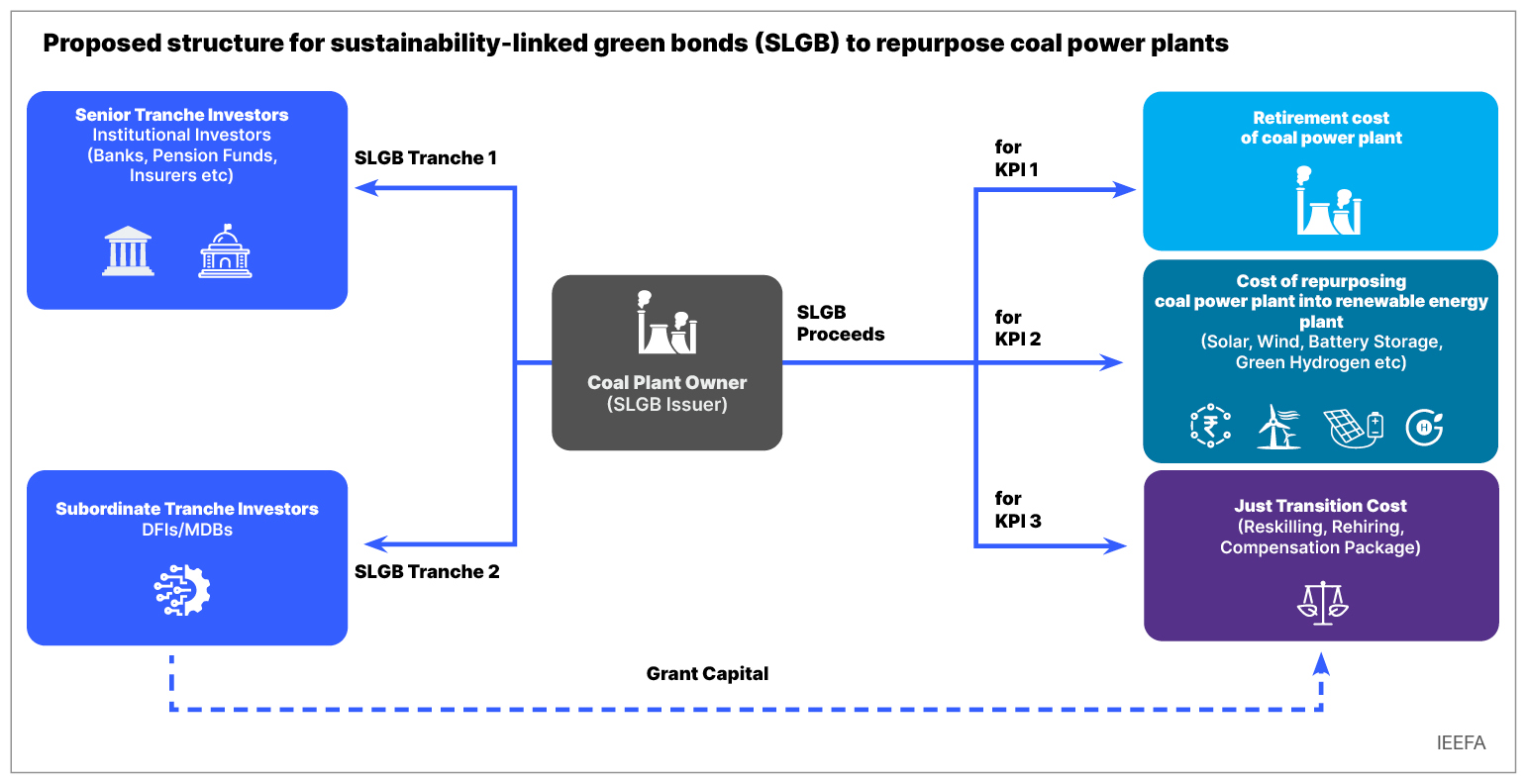
Coal-dependent communities, particularly workers from marginalised groups, remain without a clear plan for what happens when mines close. Abandoned mine lands already pose pollution and health risks.
India’s rhetorical leadership on just transition globally, critics argue, has yet to be matched by the institutional groundwork at home.
At the same time, policymakers are exploring large-scale carbon capture and storage (CCS) deployment. Industry experts argue that CCS could become essential for decarbonising hard-to-abate sectors such as steel, cement and refining.
India's proposed carbon storage roadmap reflects a growing recognition that renewable energy alone may not be sufficient to meet long-term climate goals while maintaining industrial growth.
This reveals a crucial distinction.
That argument, however, is growing harder to sustain on its own terms. With COP31 opening in Antalya in November 2026, analysts point out that India crossed 1 billion tonnes of coal production in March 2026 — for the second consecutive year — even as its renewable installed capacity hit 283 GW, placing it third globally.
The Climate Action Tracker has rated India's climate targets as ‘insufficient’ against a 1.5-degree pathway, noting that India is already on course to meet its 2035 emissions intensity target by 2030 — years ahead of schedule, without additional effort.
A target a country will comfortably beat before its deadline, analysts say, is not a commitment — it is a floor dressed as a ceiling.
The hidden energy dimension
Perhaps the most overlooked aspect of the debate is energy security. India's climate vulnerability is increasingly becoming an electricity challenge.
As highlighted in recent analyses, rising temperatures are driving unprecedented growth in cooling demand. Air-conditioning adoption is accelerating across urban and semi-urban India, creating new pressure on the power system.
The result is a climate-energy feedback loop. Hotter weather drives higher electricity demand. Higher demand often requires increased thermal generation. Increased emissions contribute to further warming, which then increases cooling demand even more.
This dynamic helps explain why climate policy debates in India cannot be separated from questions of economic growth and energy availability.
Unlike many advanced economies, India must simultaneously expand energy access, support industrialisation and decarbonise its economy. That balancing act creates tensions that are often misunderstood in international climate discussions.
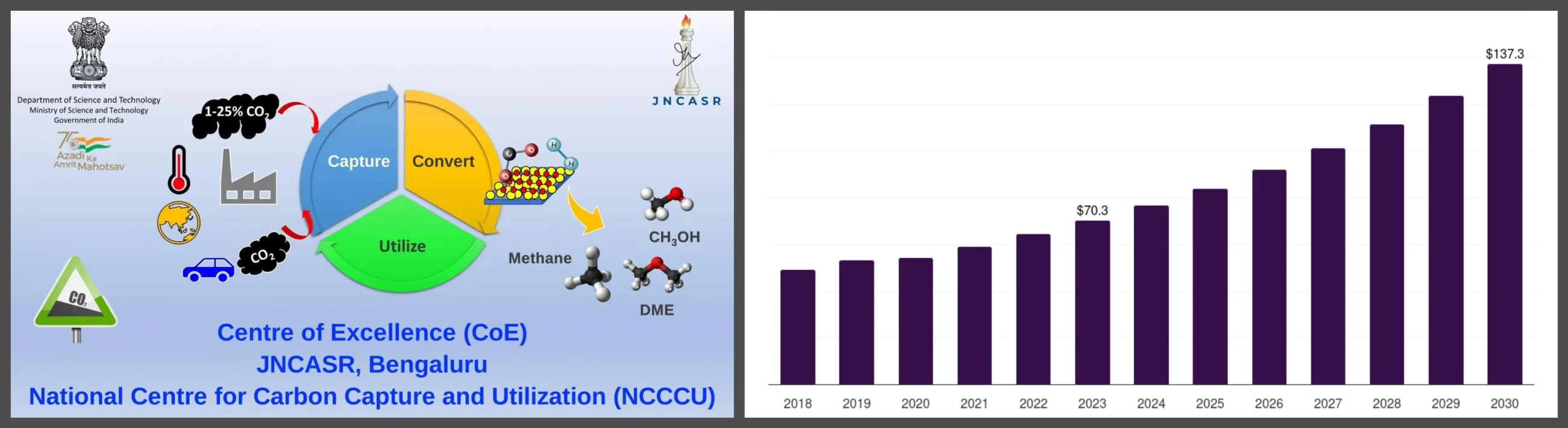
The carbon capture cycle illustrated by JNCASR (left), and the India carbon capture and storage market, 2018-2030; source - Grand View Research
Climate risk as an investment risk
Another important shift is underway. Climate risk is increasingly being treated as a financial risk. That risk is more acute than previously understood, and it cuts into the very infrastructure India is counting on to decarbonise.
A new assessment by Zurich Kotak General Insurance, evaluating 871 planned renewable energy projects across India, found that nearly 90 per cent of the country's renewable energy pipeline faces high or critical climate exposure — from hailstorms damaging solar panels and flash floods threatening hydropower sites, to extreme heat reducing output.
The report estimated that around USD55 billion worth of clean energy assets could be at risk by 2030. Crucially, it found that targeted resilience investments of just 2 per cent of capital expenditure could halve those losses — but only if built in at the design stage, before projects are locked in. India's clean energy ambition and its climate vulnerability are, in other words, on a collision course with each other.
A recent assessment by Climate Policy Initiative highlighted the growing exposure of India's power infrastructure to climate-related threats, including floods, extreme temperatures and changing weather patterns.
Investors, lenders and insurers are paying increasing attention to these risks. This has profound implications. Climate adaptation may soon become one of India's largest infrastructure investment themes.
Transmission networks, cooling technologies, grid resilience systems, battery storage, water management infrastructure and climate-resilient urban planning could collectively attract hundreds of billions of dollars in investment over the coming decades.
That trend is already visible globally as institutional investors shift capital towards climate resilience rather than focusing solely on emissions reduction.
The bigger geopolitical story
The deeper significance of India's abstention lies in what it reveals about the future of climate politics. For much of the past decade, climate debates focused on emissions targets.
The next decade may be dominated by a different question: who pays for climate damage? That question is becoming increasingly urgent as climate disasters intensify and vulnerable nations seek compensation mechanisms.
Some legal scholars believe the ICJ opinion could strengthen future claims for climate accountability. Others argue that such developments risk creating geopolitical tensions precisely when greater international cooperation is needed.
Thus, India finds itself navigating between these competing pressures. It wants stronger climate action. It wants climate finance. It wants clean energy investment. But it also wants to preserve policy space for economic development and energy security.
That balancing act may increasingly define not only India's climate strategy but also the future trajectory of global climate governance itself.
The irony is striking. A country confronting some of the world's most severe climate impacts is simultaneously helping shape the resistance to turning climate responsibility into international law.
As climate damages rise and legal activism expands, that contradiction may become one of the defining fault lines of the global energy transition.
Follow us on WhatsApp
Follow us on Facebook
Follow us on X @vudmedia
Follow us on Substack
