Prime Minister Narendra Modi, who turned 75 this month, has been like no other leader who has led this country before him. As someone who rose from the grassroots to the top of the political echelon, Modi rarely tasted political defeat and remain in constitutional offices for a whopping 24 years. Blending political deft and administrative acumen, Modi used governance initiatives and radical reforms to eternally stay in power even while outwitting his rivals in major political contests. With the ability to excel in electoral races and convert crises into his advantage, Brand Modi has so far been an unstoppable juggernaut. As he hits 75 and marks over 11 years at the helm, it is worth examining what Moditva meant for India, and whether it will continue to roll unchallenged in the years to come.
Prime Minister Narendra Modi turned 75 on 17 September 2025. For a political leader who has continuously remained in office since first assuming charge as the Chief Minister of Gujarat on 7 October 2001, turning 75 should be seen as a momentous occasion in the political history of modern India.
Here is one man who has never tasted political defeat (that led to his removal from office), has been a reformist administrator to the core, a superlative political strategist who always outwitted his rivals and was one step ahead of them in the political contests, a master in handling crises and converting it into an advantage, adept in course correction to the extent that rivals keeps propping past up his past positions on issues, which he could have discarded with little moral impact, and, above all, manages to stay at the top of any electoral race, be it at any cost.
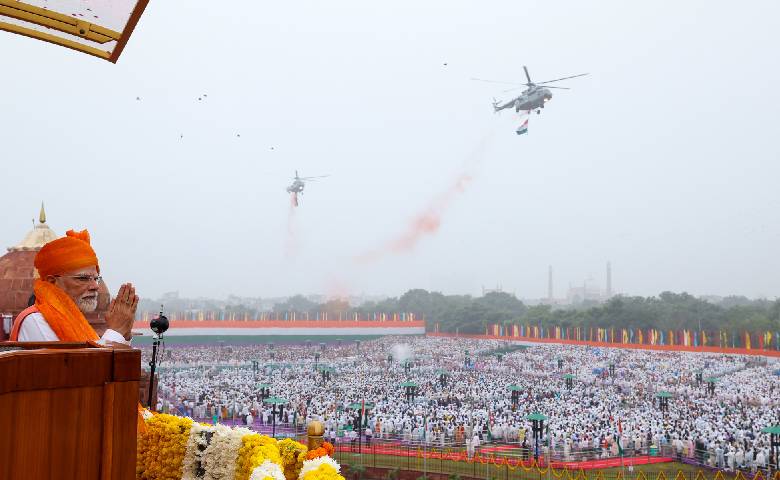
As Prime Minister, Modi has a legion of followers, transcending borders, and is seen by his ardent supporters as a divine embodiment among humans, which the former himself testified to with a controversial assertion about a non-biological genesis. His followers believe Modi can do no wrong, is invincible, can accomplish the unattainable, and is solely focused on the good of the nation and its underlying civilizational moorings (read Hinduism, or, as many now interpret, Sanatana Dharma).
Hence, Modi’s 75th was to be a historic occasion that should have been celebrated with fervour on par with many national festivals. In turn, the gala and festivities were conspicuously low-key, and did not match the pomposity that is associated with the nation’s most ‘popular,’ ‘unassailable’ and ‘omnipotent’ leader in recent history.
The comparatively subdued celebrations might be due to the fact that the age of 75, if marked with aplomb, could have triggered questions and unavoidable debates on why the Prime Minister failed to follow a political principle, or unwritten rule, he imposed on his party seniors, whom he forced into retirement by benchmarking a 75-year cut-off.
It was evident to all that PM Modi was not expected to remit office on turning 75 as his chief political lieutenant and the country’s Home Minister, Amit Shah, had resolutely announced during the 2024 election campaign that the 75-year mark will not be applicable to Modi, who, according to his prediction, will rule for many more years to come, if not for eternity.
If the TINA (There is No Alternative) factor was the initial rationale floated to establish Modi as the singular pole in Indian politics, the subsequent years showed that Modi was at the head of a bandwagon that cannot be subdued through the electoral exercise. However, the aura and certitude of ‘invincibility’ took a serious drubbing when the ruling party lost the majority in the 2024 Lok Sabha elections, with Modi managing to retain power with the help of allies.
While the credibility of Modi’s consistent winning spree has, since 2019, operated under a cloud of doubts and suspicions, especially the unrelenting speculation about the systematic manipulation of the Electronic Voting Machines (EVMs), the results of many state elections since the 2024 Lok Sabha outcome have been subjected to endless scrutiny following widespread reports of manipulative practices.
Questions about electoral subversion, though echoing since 2019, had already attained traction after verdicts in the state elections of late 2023, which included assembly polls in Rajasthan, Madhya Pradesh, Chhattisgarh and Telangana, among others. The fact that the main opposition party, the Indian National Congress (INC), lost out despite being on a strong footing in at least some of these states, led to allegations about electoral manipulation occurring behind the scenes.
If it were EVM manipulations (99 percent charging at a particular round of counting) alleged in Haryana, it was about suspicious or massive additions in the voter list of Maharashtra, in a very short period, where the ruling front returned to power, despite a miserable performance in the Lok Sabha elections just a few months before the assembly polls.
What began as whispers and muted suspicions of electoral malpractices in the earlier years had surged into a national clamour, especially with the Special Intensive Revision (SIR) initiated by the Election Commission of India (ECI) in Bihar. This impromptu exercise at short notice by the ECI is alleged to have resulted in the mass exclusion of voters. With the Leader of Opposition (LoP), Rahul Gandhi, listing numerous malpractices in Maharashtra and Karnataka, the slogan of ‘vote chori’ (vote theft) has started to exponentially echo across the country.
The Election Commission’s aggressive push-back against the allegations has made its actions suspect, especially since it has shied away from providing concrete answers to many of the questions raised. However, what has turned the episode murky is the approach of the ruling BJP, which has, by default, chosen a combative mode instead of supporting a detailed inquiry that could have imparted credibility to any election-related exercise.
The outcome of this latest churn in Indian politics is the substantive dent it has caused to Brand Modi. With the Modi juggernaut taking a beating in the 2024 Lok Sabha elections, there is now increasing scepticism over his governance style, politics of one-upmanship and the general state of the nation, which is facing challenges on many fronts, including the economy, foreign policy and national security.
Unlike the time before the 2024 Lok Sabha election, when the legion of Modi supporters, backed by the IT department of the BJP, ruled the roost on social media, Modi’s detractors are now resoundingly vocal on these platforms with every action, decision and policy of the Modi government being subjected to all forms of scrutiny, as well as ridicule.
It is in this context that the subdued commemoration of Modi’s birthday has not evoked any astonishment. Rather, the occasion is a ripe moment to understand what Moditva, or Modi’s brand of Hindutva politics, meant for the nation, since his accession to power in 2014.
Without doubt, as one of the longest serving prime ministers of India, Modi’s has a formidable political and governance legacy, which, of course, also has its highs and lows. Discussions about Modi’s legacy evoke considerable emotions in the country, as his policies invoked radical and game-changing reforms, which have had both positive and negative effects.
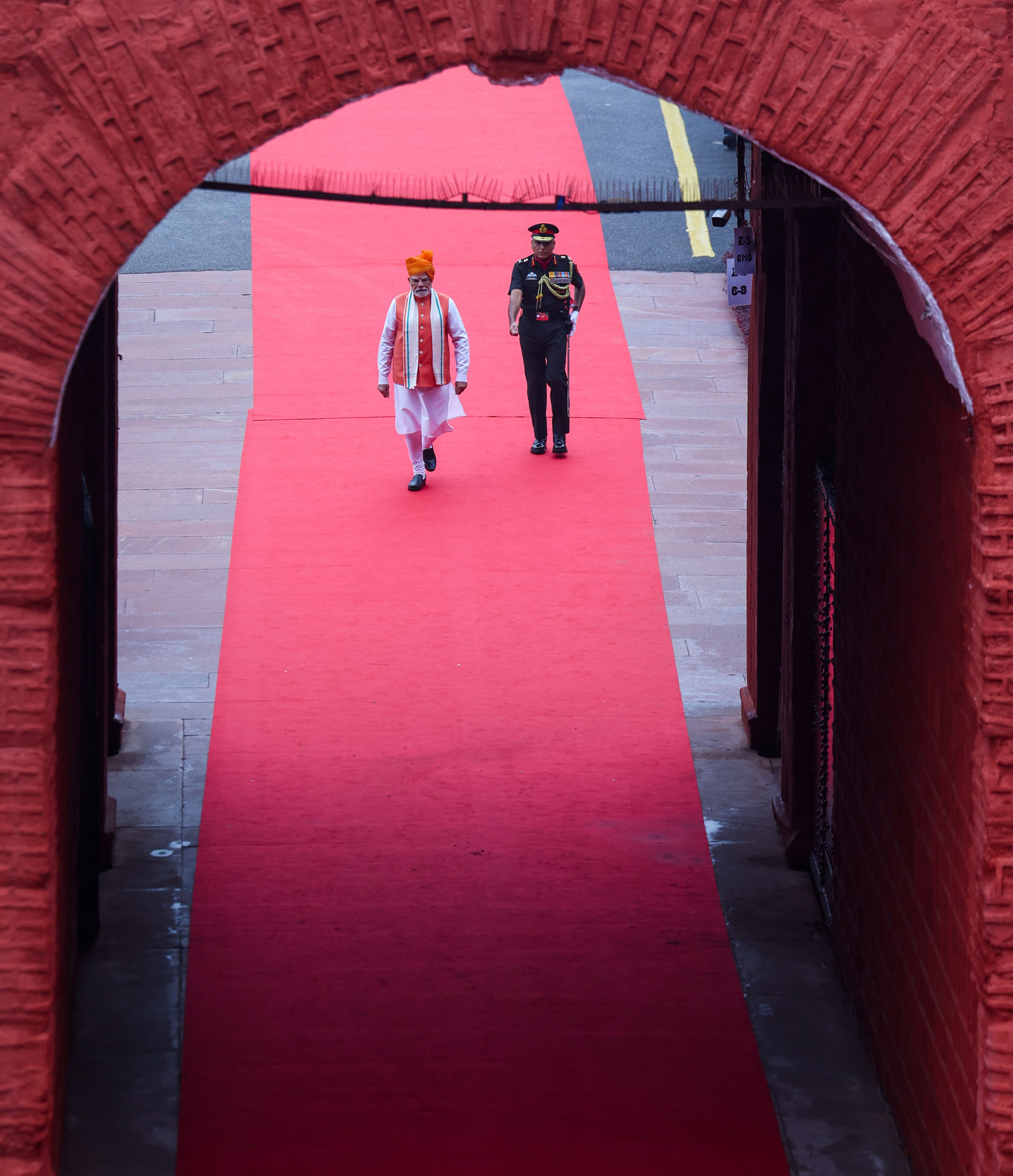
This report, though only a holistic assessment, seeks to evaluate the Modi era through two variables: What Modi did FOR the country, and what Modi did TO the country.
What Modi did FOR the country?
Topping the list is the UPI or Unified Payment Interface, which has become a revolution in digital commerce. Though the ‘demonetisation’ exercise – Modi’s first major political gamble, or shy at structural reforms – was not quite successful in terms of the initially-proclaimed objectives, which were about ending black money, it spawned a digital financial economy, which is now supposed to be among the largest in the world.
The UPI facilitated ease of payment, empowered lakhs of ordinary citizens towards mainstream banking and eliminated huge chunks of paper currency transactions from the economy. Though the black money scourge is supposed to be thriving, along with remittances in off-shore tax havens, transforming a billion-strong nation towards a digital economy in a few years’ time was no mean task, which will remain one of the key achievements of the Modi government.
Second comes infrastructure: Of course, many sections will question the quality of the fast-paced infrastructure and then the commission and cronyism allegations, which were the outcome of the ‘electoral bonds’ revelations.
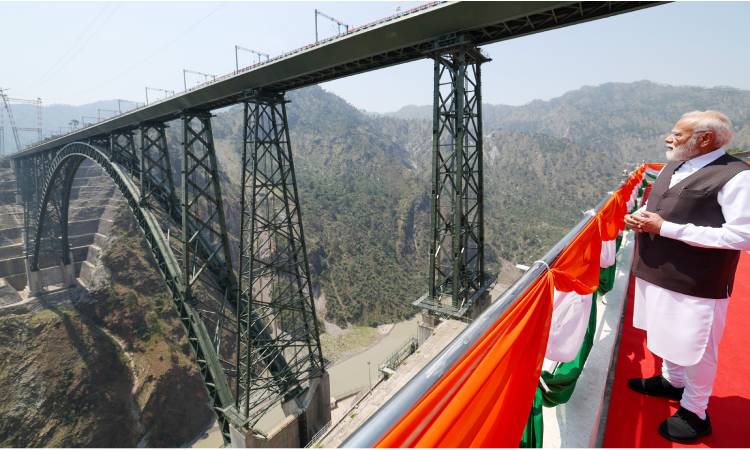
Yet, there is no doubt that PM Modi had unveiled an infrastructure boom across the country – from expanding the national highway to building new dedicated expressways, from Rapid Rail Transit Systems (RRTS) to new urban rail projects and modernizing the national railway network and its supporting infrastructure, from new airports to modernizing existing airports, and also taking to finishing line many projects started by previous government, but stuck in red tape.
If the Golden Quadrilateral was one grand initiative of the Atal Bihari Vajpayee government that aimed at expanding the modernising India’s grand highway architecture, the Modi government emphasised new greenfield expressway projects. These include, among others, the Delhi-Meerut Expressway, Delhi-Mumbai, Delhi Dehradun, the Awadh Expressway, Raipur-Visakhapatnam, Amritsar-Jamnagar, Durgapur, Kona, DND-KMP, and more.
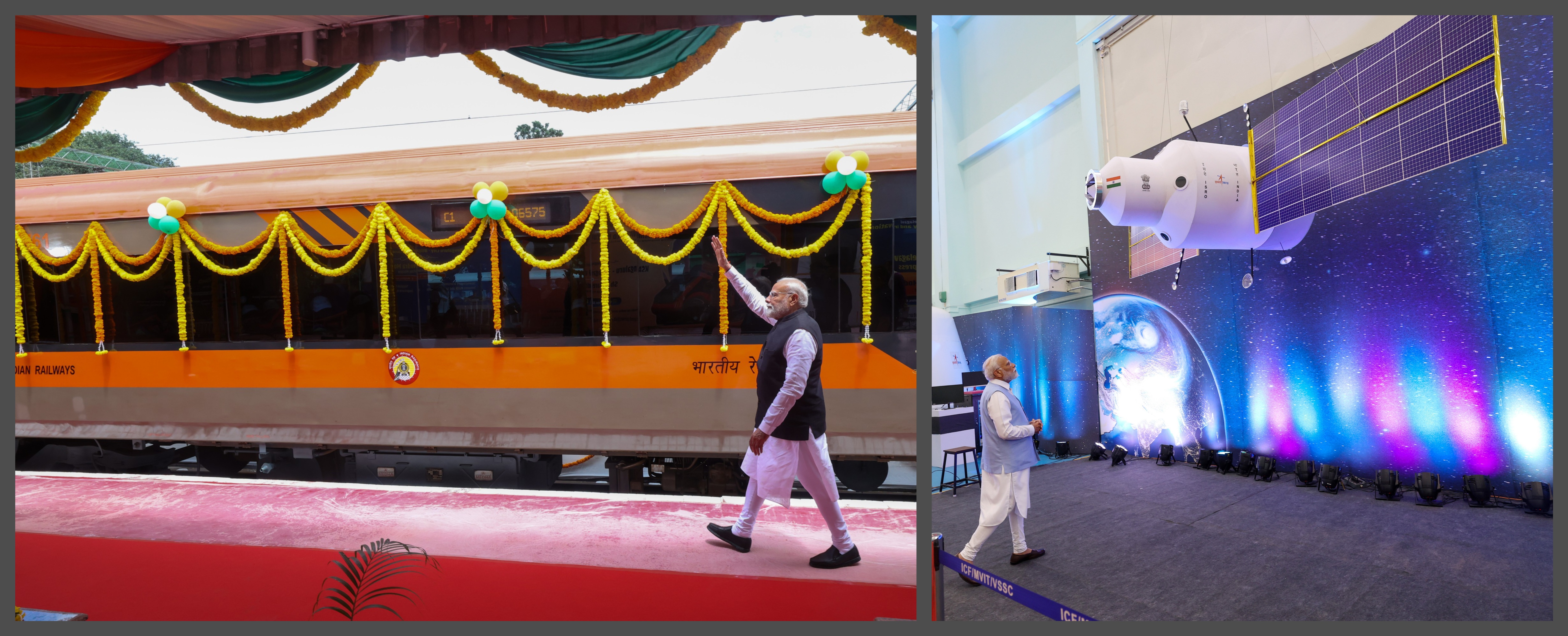
A highlight of the national roadway policy of the Modi government was not just new Greenfield highway projects but also the Brownfield projects that entailed expanding and modernising the vast network of existing national highways.
The Modi government also provided much impetus to urban and inter-city rail development and alternative mass rapid transit networks. While metro projects have been initiated across many Indian cities, the Rapid Rail Transit System (RRTS) that was developed to connect satellite towns to the National Capital Region was one significant initiative that is likely to be replicated as a template across many Indian cities.
While the expansion and modernisation of the Indian Railways is an ongoing exercise, Modi’s intent to privatise the Indian Railways, with an objective to expand and improve services, modernise the railway stations and enable a national network of self-sustaining nodes, has not fructified yet. However, the vision of the Railways trifurcation – network, services and operations – and numerous private railway operators providing for a robust national railway system remains a promising avenue for the nation.
Third could be the start-up movement: Many critics will allege that ‘unemployment’ is at a record high and that Modi has finished off public employment. Yet, this could be seen as an outcome of a paradigm shift or a change in approach – of pushing an employment-seeking generation to aspire to transform into an entrepreneurship generation.
This is a risky political gamble and may not happen easily in a billion-strong nation culturally attuned towards public employment. Yet, it is the population dividend, and the highest youth and working age population in the world, with a legion of trained engineers and management professionals, that spawns the opportunities for an entrepreneurship revolution.
Through extensive incentives for Medium, Small, and Micro Enterprises (MSME) and incubating launchpads for the start-up eco-system, the Modi government has provided substantial impetus for an entrepreneurial eco-system and culture to unveil in the country. Accordingly, a start-up wave had emerged across industries, and particularly in the information technology and artificial intelligence domains, over the last few years.
Many start-ups, particularly in IT, services, agro-industries, cloud kitchen, food processing, space, defence industries and many segments of manufacturing, have boomed across the country in the last decade, with some rising as unicorns and many attracting huge venture capital (VC) and seed funding from Indian and global majors.
While Commerce Minister Piyush Goyal’s concerns about an overkill in the food delivery and services sector, at the cost of technology and innovation segments, might not be off the mark, it is a truism that these areas are also substantially seeing the footprint of the start-up revolution.
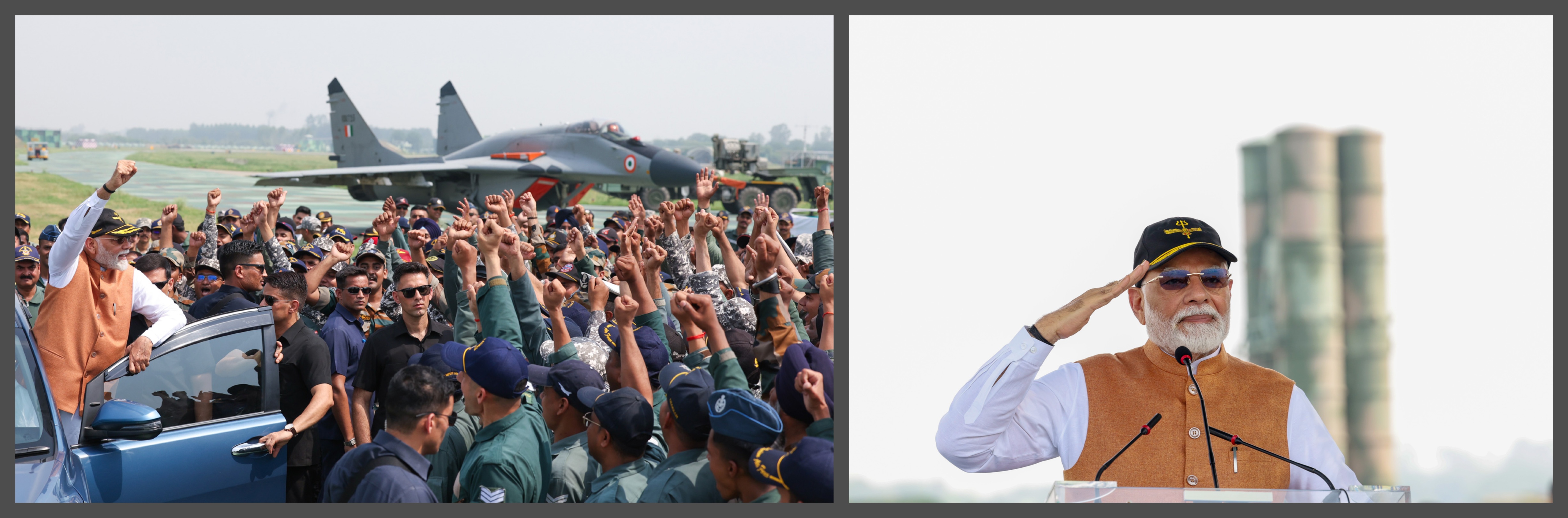
Fourth comes the surgical strike of 2016: Put differently, the transformation towards a proactive and retaliatory approach towards countering terrorism. The cross-border military action by India’s special forces in September 2016, in response to an Army camp in Uri, was a resolute reply to Pakistan-aided terrorism and calling its nuclear bluff. It conveyed to Pakistan that cross-border terrorism will not go unanswered and that costs will be imposed on its malicious actions.
Since the 1990s, the Pakistan-supported terrorism in Jammu and Kashmir, which, in subsequent years, spread to other parts of India, was pursued with the backing of a nuclear brinkmanship behaviour wherein Pakistan threatened to use nuclear weapons if India “crossed the border by an inch.” While India launched Operation Parakram in 2001-02 in response to the Parliament terror attack, the crisis was de-escalated following the American intervention.
The decision of the Modi government to send special forces for a cross-border Surgical Strike on terror camps in Pakistan-controlled territory on 19 September 2016 was a resolute response of retaliation, which also signalled India’s resolve to cross the border and not be deterred by nuclear threats.
The Modi government repeated the feat in February 2019, in response to the terror attack against a CRPF (Central Reserve Police Force) convoy in Pulwama, and subsequently in May 2025, in response to the Pahalgam massacre. While Pakistan launched Operation Swift Retort to counter India’s Operation Bandar in 2019, the Pakistani retaliation to Operation Sindoor in May 2025 led to a four-day conflict.
Through these three operations, the Modi government conveyed its proactive stand on countering terrorism and that it will not shy away from full-fledged military hostilities. While the potential for escalation has increased with each conflict, these missions were successful in conclusively calling Pakistan’s nuclear bluff and increasing the cost of its cross-border adventurism.
Fifth, communicating with the nation: His supporters call it Modi’s ‘Strategic Communications,’ or the art of communicating with the polity. Critics point out that Modi does not address press conferences and orchestrate media interactions. Yet, Modi’s Mann Ki Baat is an unprecedented, even if one-sided, messaging to the citizens.
Also, his style of direct messaging by addressing the nation on a multitude of occasions, sloganeering and framing narratives, most often criticised as misguiding and hollow, but effective in setting the mood of the nation. Of course, Modi could have achieved much more – in terms of social and cultural change, and national behavioural transformations – had he not used ‘strategic communications’ solely for his political goals.
In fact, many of his statements are about pompous declarations, claims about perceptive gains and benefits of his policy and setting the mood for the nation. Yet, the efficacy of this communication is merited in the way he sells policies and vision, something his predecessors have never attempted, probably stymied by ethical underpinnings.
Sixth, the economy and ease of doing business: the economy may not seem to be in great shape due to the impact of global crises and many ill-conceived policies. While growth stymies at 6-7 percent and industrial manufacturing and exports remain largely stable, and often stagnant, the country’s economy is certainly on a growth arc and poised to become among the three 3-4 economies in the world in the years to come.
Even if the trillion-dollar goalpost may take time to fructify, the World Bank has reportedly listed India as the fourth largest economy, behind the US, China and Japan.
Despite uneven growth rates, there is no dispute that Modi’s focus has been consistently on economic revival and growth, and ease of doing business. Despite allegations of corporate cronyism and oligarchs ruling the roost, the Prime Minister has been steadfast in prioritising structural reforms and placing the economy more in a ‘profit mode’ seems to be his governance ideology.
Put differently, Modi does not seem to believe in the ‘welfare state,’ and approaches policies more like a businessman than a benevolent administrator. Of course, that has not stopped him from unleashing populist largesse when he senses public resentment and electoral challenges.
Seventh, charting India’s place in the world: With many recent setbacks, not many will agree that Modi’s foreign policy is doing wonders. His supporters claim Modi elevated India’s rise on the global scene. Much of it is attributed to his personal style of diplomacy and outreach, which, in the initial years, had accrued many gains for India’s standing on the global stage.
While there have been limits to such personalised outreach, as seen in the case of US President Donald Trump, PM Modi is seen to be holding his ground when national interests are at stake.
Modi’s approach towards the great powers is framed on the lines of multi-alignment, implying equidistance with all while pursuing India’s national interest through good relations with all the powers and poles in the global system.
This approach has enabled maintenance of India’s strategic autonomy, as is now evident in India’s continued purchase of Russian oil, despite US and European opposition, even while supporting Ukraine’s bid to end the conflict; maintaining the strategic partnership with US despite President Trump’s whimsical policymaking; opening the doors for reconciliation and friendship with China notwithstanding the pains of Galwan and other Chinese transgressions; and seeking free-trade agreements in UK, EU and others.
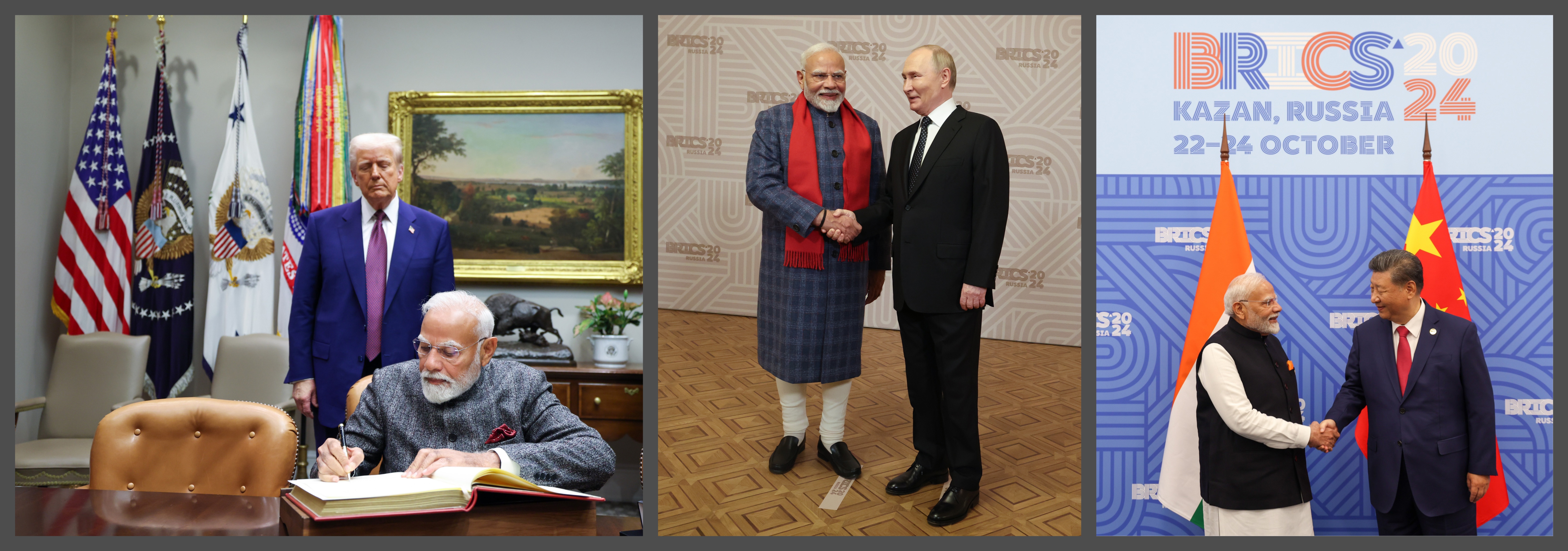
Many foreign policy setbacks aside, Modi’s grand strategy should be evaluated on the merits of how he negotiated the mines and pits in geopolitics and sought to uphold India’s national interest through engagements with one and all.
Now, the other side of the story - what Modi did TO the nation?
First, the undermining of India’s democracy: Of course, Modi has described India as the mother of all democracies, the world’s oldest civilizational democracy, and so on. But the damage done to India’s thriving democracy in the 11 years of Modi’s reign so far is immense.
From cracking down on dissent, stifling opposition, muzzling the free press and manipulating a section of the media to suit his political agenda (popularly called the Godi media), targeting detractors through government agencies – the list is endless to the extent that many critics term Modi’s rule as “undeclared emergency.”
Equally troublesome has been the erosion of the credibility of the Indian judiciary during this period, with many judges in the higher judiciary seen to be toeing the government’s line through pliable verdicts and judgments that reasonably raise questions on the biased approach of the judges.
The alleged electoral malpractices listed above only come in a long list of intrusions and subversive attempts that seek to undermine and weaken the Indian democracy in ways that will prolong Modi’s grip over power and sustenance in the highest office.
Second, a polarised polity and society: You are either with Modi or against him; there seems to be no other option in India under Modi. The Indian polity and society have been so polarised since independence – on both religious and political lines – that the nation is divided down the line either in opposition or in support to Modi and his policies.
No leader in independent India, who helmed the highest offices, has been so divisive in approach and deceptive in narrative that promise inclusion (sabke saat sabke viswas) but provides fodder for a hate machinery to thrive and ecosystem of ‘othering’ to prevail and pervade across the society.
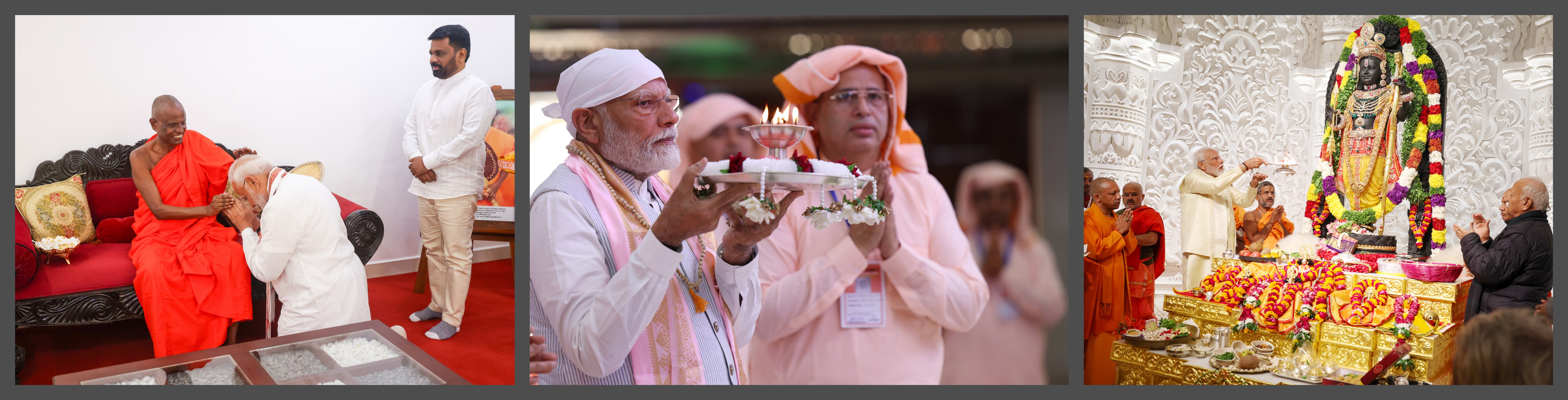
Third, stoking majoritarianism: Modi came to power riding on slogans like a ‘new India,’ ‘achen din,’ ‘sabke saat sabke vikas’ and all, which implied a progressive India, good days and an inclusive government that will treat all equally. Instead, the Modi era turned into a period of Hindu majoritarianism, rampant attacks on minorities, and open calls for turning India into a ‘Hindu Rashtra.’
From Secular India, Hindutva politics under Modi had transformed to an ecosystem where sections of the citizenry felt incentivised and a sense of pride in pasting “I am a Hindu” stickers on their car windscreens. Secularism has been systematically stigmatised and the principles of multiple faiths have been collectively ostracised by dominant sections of the majority community, which operated with a mob mentality and promoted violence with impunity.
If the Make America Great Again (MAGA), with Donald Trump as its leader, is about the white supremacist Christian far-right in the US, in India, it is about Hindutva and Modi as its reigning icon. The hate playbook, the majoritarianism and the ‘othering’ are seen to be strikingly similar patterns for both movements.
The MAGA’s feeding of mob frenzy, hysteria against minorities and immigrants, and presenting a non-existent culture invasion threat are templates that have already been exercised to the hilt by the Hindutva forces, particularly in the first two tenures of the Modi regime.
Fourth, the personality cult: From the National Democratic Alliance (NDA) in 2014, the nature, character and description of the central government had turned to ‘Modi Government’ by 2024, with the Prime Minister himself using this epithet extensively.
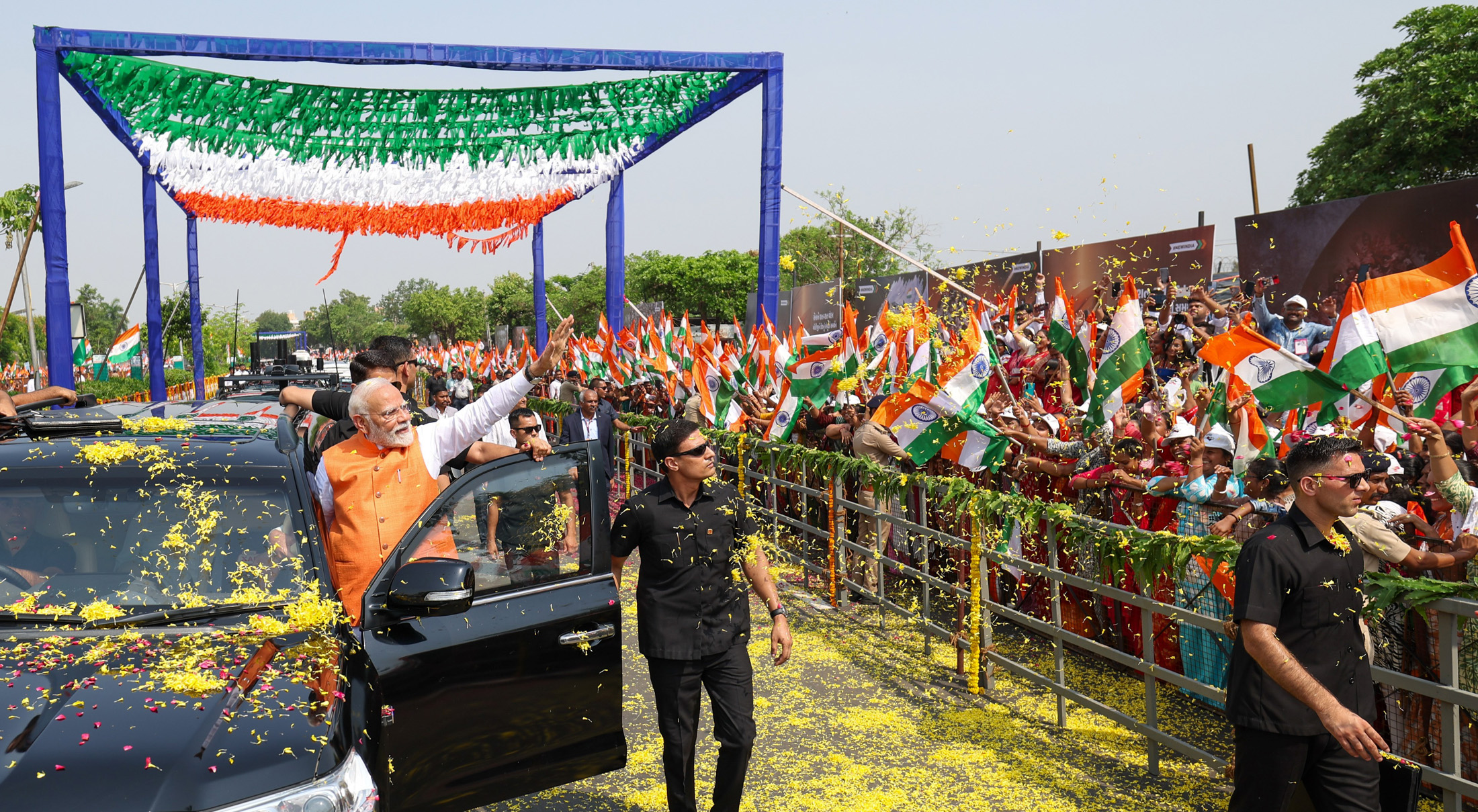
Since becoming the Prime Minister in 2014, Modi's fan base saw a phenomenal rise, both within the country and the diaspora, with this base transforming into a legion that believed that their leader can do no wrong and that all his actions are destined to “make India great again.”
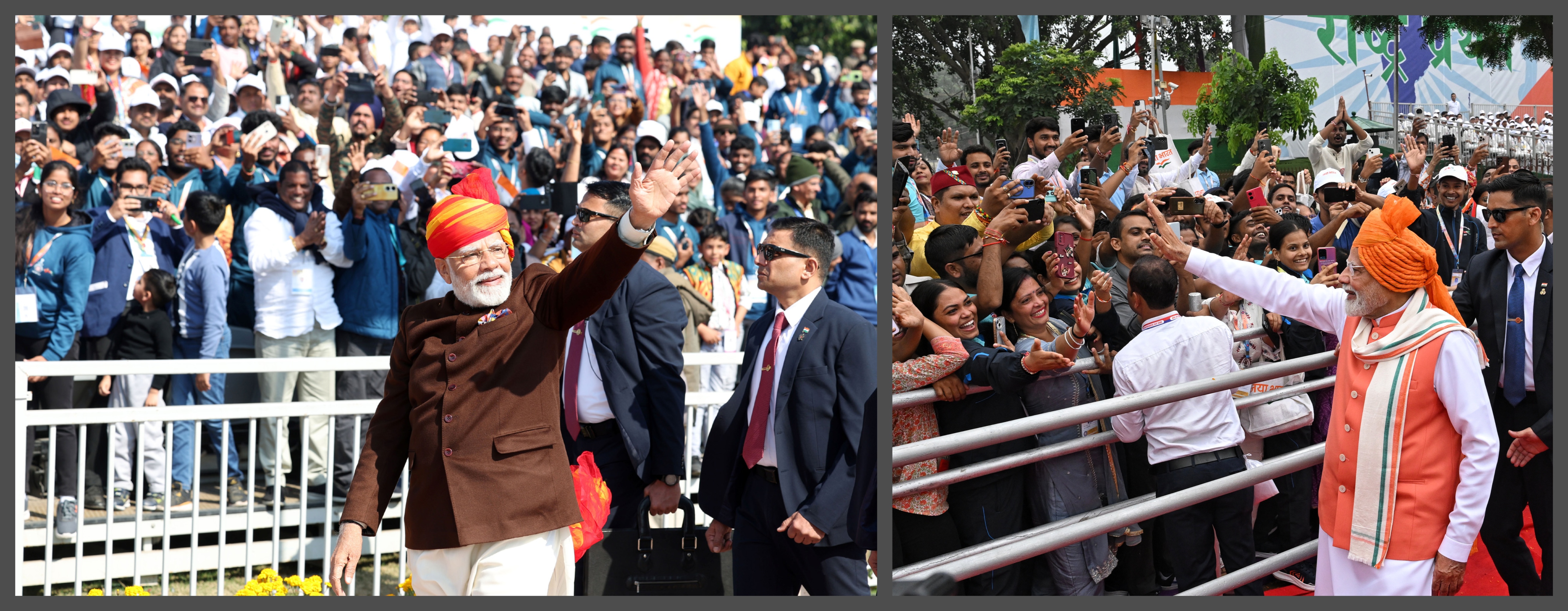
Modi harnessed this following to transform his government into a personality-centric enterprise with all credit of governance gains attributed to the leader while all the visible failings were passed on to the ‘system,’ which was blamed on the Congress, and, particularly, the Nehruvian legacy.
From his picture on vaccine certificates to solo photo-sessions at all events, especially inaugurals, the pivot of Modi to the centre of national governance has followed the creation of a cult identity and fan following that earmarked not just the centrality of Modi in India’s national identity but also in declaring the TINA factor.
The political history of independent India is now sought to be written on the lines of the Modi era and a pre-Modi era, thus making all his predecessors inconsequential in the leadership lexicon of the country.
Fifth is the question of political morality: Modi’s ascension to power had not just heralded a new politics of majoritarianism and Hindutva but also a brand of politics that had no morality attached to its daily practice. If Hinduism is a religious dogma that preaches ‘righteousness’ or dharma, Modi’s Hindutva politics has been about opportunism, power abuse and ‘might is right’ with not a veneer of morality or ethics seeming to influence the government or the ruling party.
From misusing agencies to target political adversaries to establishing an oligarchy that favoured a few industrialists who gained State largesse to expand their expansion arch; from manipulating institutions ranging from the Election Commission (EC) to statutory bodies that are supposed to make the government accounting to moulding the character of the judiciary to suit the Modi’s government agenda; from using political power to down opposition state governments and facilitating large-scale horse trading and defections – the extent of abuse of power and elimination of any veneer of morality has been the greatest hallmark of the Modi era.
Put differently, everything is fair in Modi’s politics!
Sixth, the Godi Media: Since 2014, the free and independent media in the country have been systematically targeted, its functional autonomy subverted and a parallel media ecosystem – termed the Godi media by detractors – was facilitated to ensure that the media does not act as a credible fourth pillar of democracy by holding the government accountable, as in the pre-2014 times.
Resembling the conditions of the Emergency period – the national media famously crawled when asked to bend – the national press has been intimidated enough to ensure that only the government’s narrative finds centre-stage in coverage and reportage. The online media space, which emerged during this period, was substantially dominated by right-wing platforms.
On the other hand, the Modi government floated numerous instruments, including the IT (Intermediary Guidelines and Digital Media Ethics Code) Rules, 2021, which were allegedly meant to silence those voices of the media that seek to make the government’s actions accountable. The increasing undermining of the Right to Information (RTI) Act and the introduction of the Digital Personal Data Protection Act, 2023, have had their fallout in not just accountability activism but also the ability of journalists to gather data and pursue credible reporting on actions involving public offices and officials.
The mainstream national media is seen to have largely fallen in line with the government’s narrative, shunning investigative journalism of the pre-2014 years and portraying a façade of balanced reportage. On the other hand, corporate houses backing the Modi regime have indulged in tacit as well as hostile acquisitions to facilitate change in ownership of dominant media outfits. Notable examples were the Reliance Industries takeover of the News18 Group and the Adani Enterprises’ acquisition of the NDTV.
Those who survived such bids or managed to operate independently were targeted through political vendetta and criminal charges, as was evident in the cases against online platforms like Wire, Newsclick, and numerous English and vernacular language journalists who reported on corruption or other issues pertaining to the Modi government or BJP-led state governments.
The extensive application of sedition and other provisions of the Indian Penal Code against journalists is a testament to how free press and independent media are fraught with existential threats in the Modi era.
Last but not least comes Agnipath: One of the key initiatives by the Modi government to trim down the defence budget and expenditure. One of the key political campaigns that Narendra Modi adopted in the run-up to the 2014 election campaign was the One Rank One Pension (OROP), which was a long-standing demand of the military veterans.
On coming to power, Modi seems to have realised the huge defence pension bill, which, along with the Central Pay Commission (CPC) payouts, was destined to be a legacy burden for his new government.
After initially stalling both the OROP and the CPC, Modi had to eventually approve the payouts, but resolved to substantially cut down these two major overheads of public expenditure. While the then Finance Minister Arun Jaitley announced that the 7th CPC would be the last of its kind (which Modi rescinded before the Delhi assembly election of 2025), the Modi government moved to substantially cut down the defence personnel expenditure. Two key outcomes were Agnipath and the Theatre Commands.
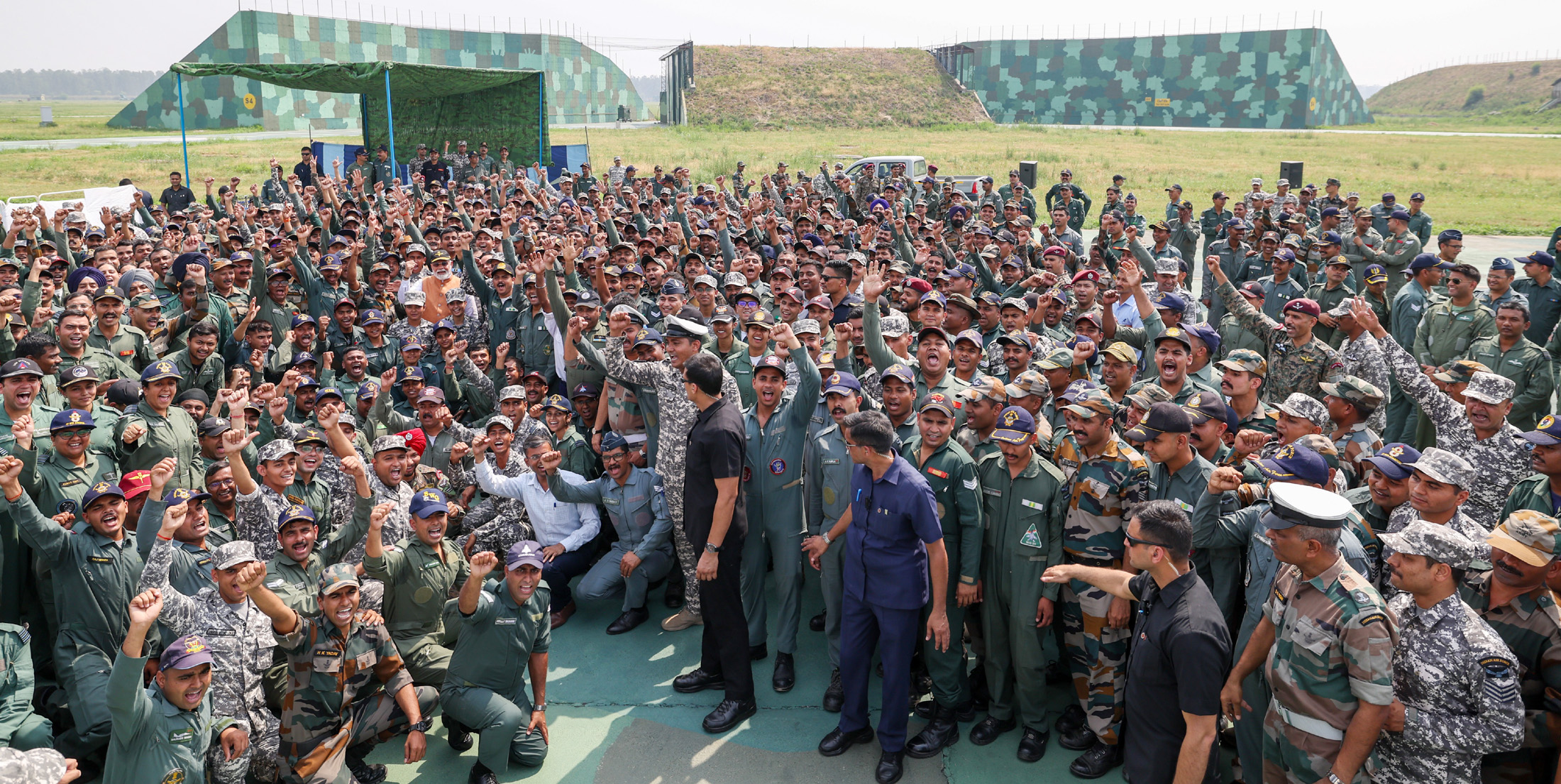
On the day PM Modi announced the Agnipath in June 2022, he also proclaimed filling up the estimated 10 lakh government vacancies, which his government has been holding up for many years.
Through Agnipath, Modi envisaged ending permanent commission in the fighting force of the three services while leaving the officer cadres untouched. Agnipath was to offer a 4-year tenure for young men and women at the end of which they were to be discharged with a ‘huge’ compensation, and allowed to “return to the civil society” and seek fresh employment or entrepreneurship with the “skills they imbibed as an Agniveer.”
While the theatre command plan continues to be on hold, reportedly due to the opposition from some sections of the armed forces, Agnipath has the potential to degrade the fighting prowess of the world’s second-largest standing army (active-duty personnel), which has to be combat-ready for wars/conflict on two fronts with two nuclear-armed adversaries.
This being a holistic illustration of more than a decade of the Modi era, we hope to update this space in 2029, assuming that Narendra Modi will not remit office until then and would, most likely, lead the ruling front in the Lok Sabha elections of 2029, and, probably, beyond.
Follow us on WhatsApp
Follow us on Facebook
Follow us on X @vudmedia
